Honouring Those Who Protect the Vulnerable
"Protecting children is never the work of one person or one organisation. It is the result of trusted partnerships, shared commitment, and people willing to show up when it matters most."
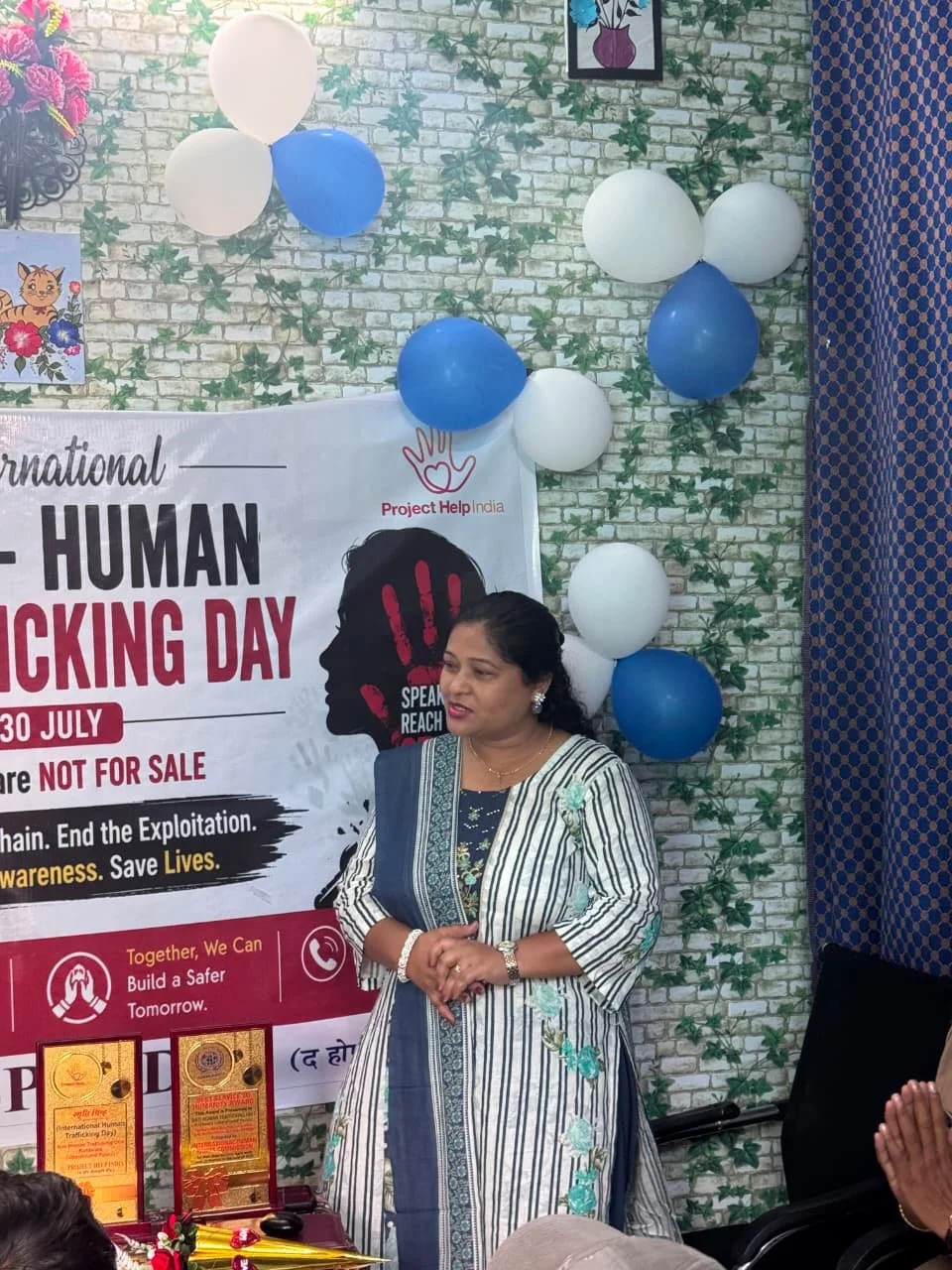
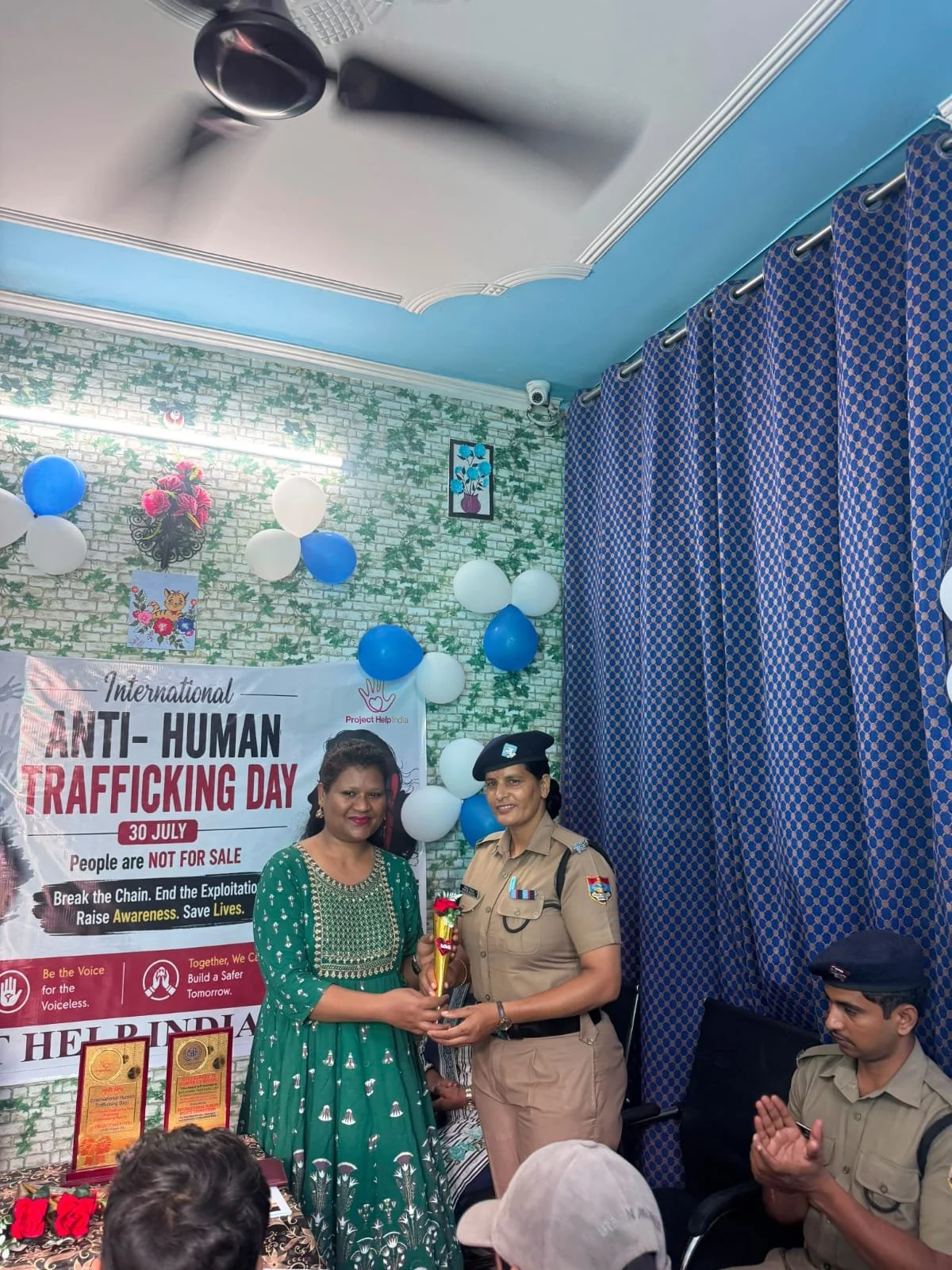
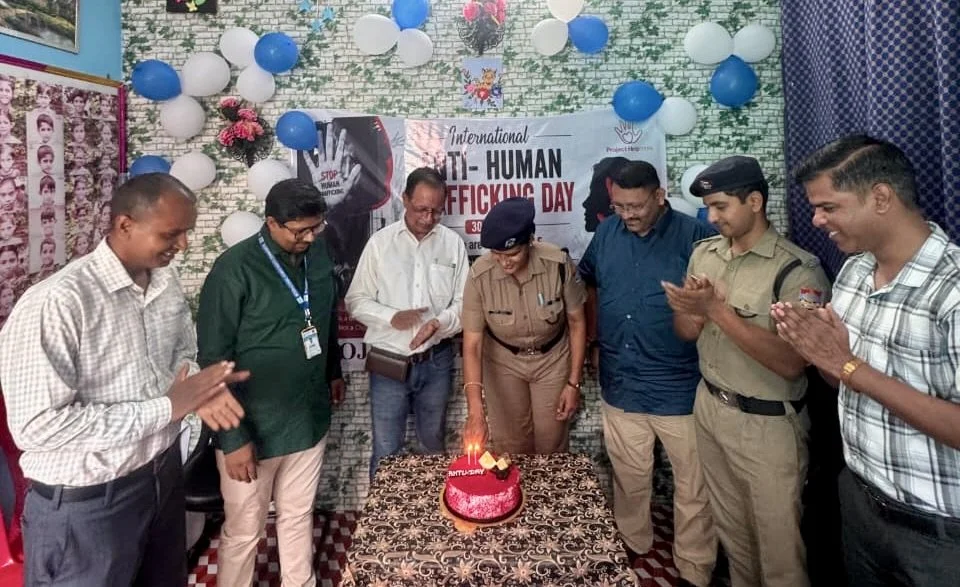
Yesterday, to mark the United Nations World Day Against Trafficking in Persons, our team in Kotdwara gathered for a special celebration—not simply to recognise an international awareness day, but to honour the people who work tirelessly behind the scenes to protect vulnerable children and families throughout our district.
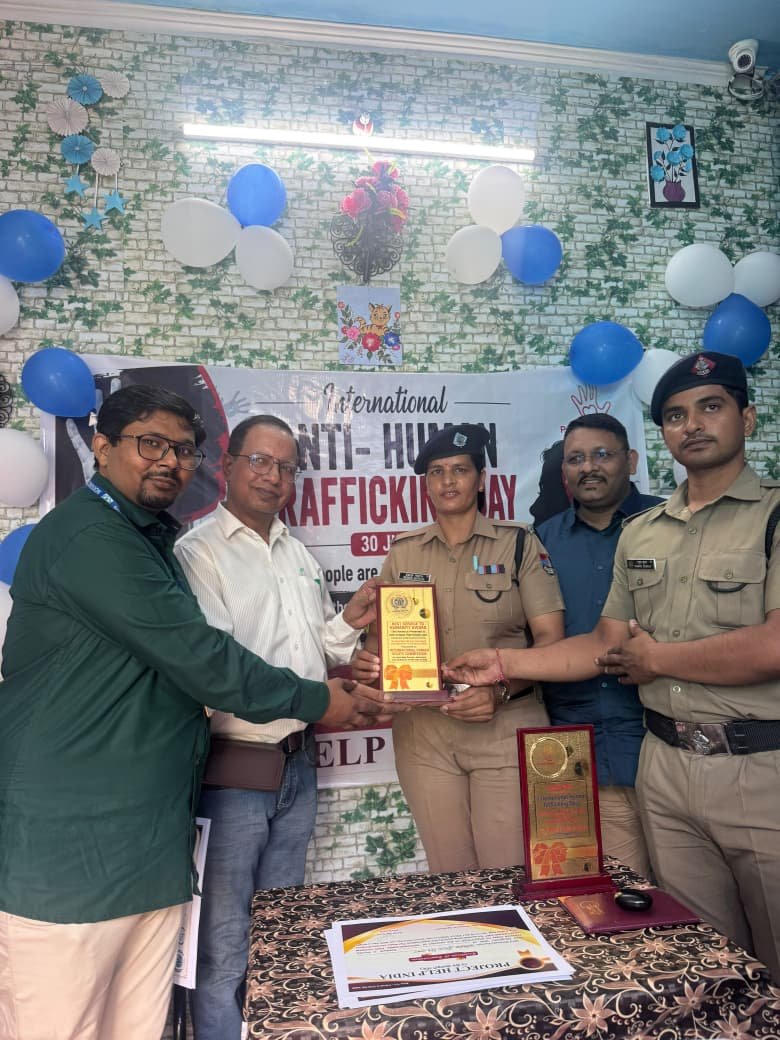
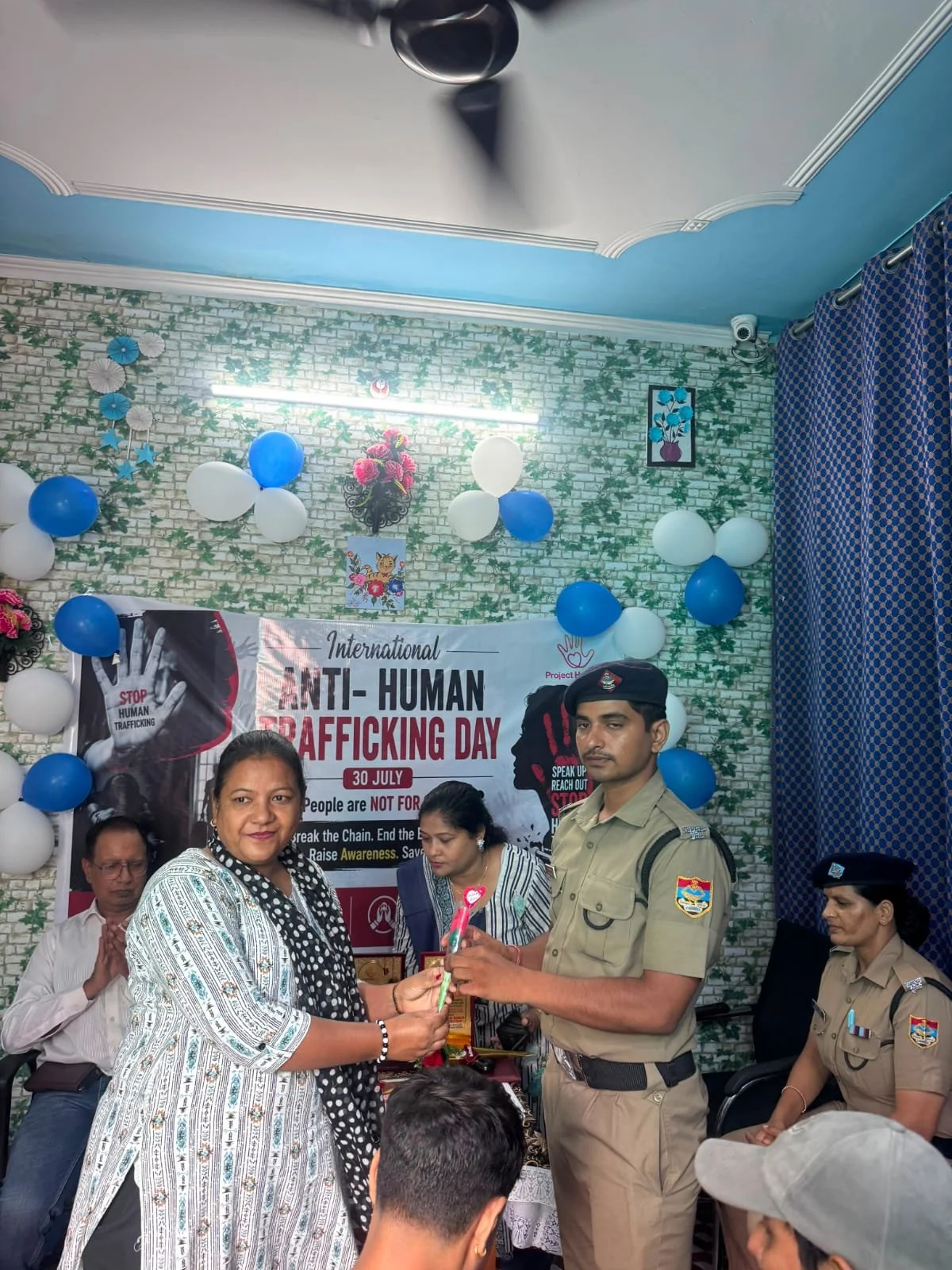
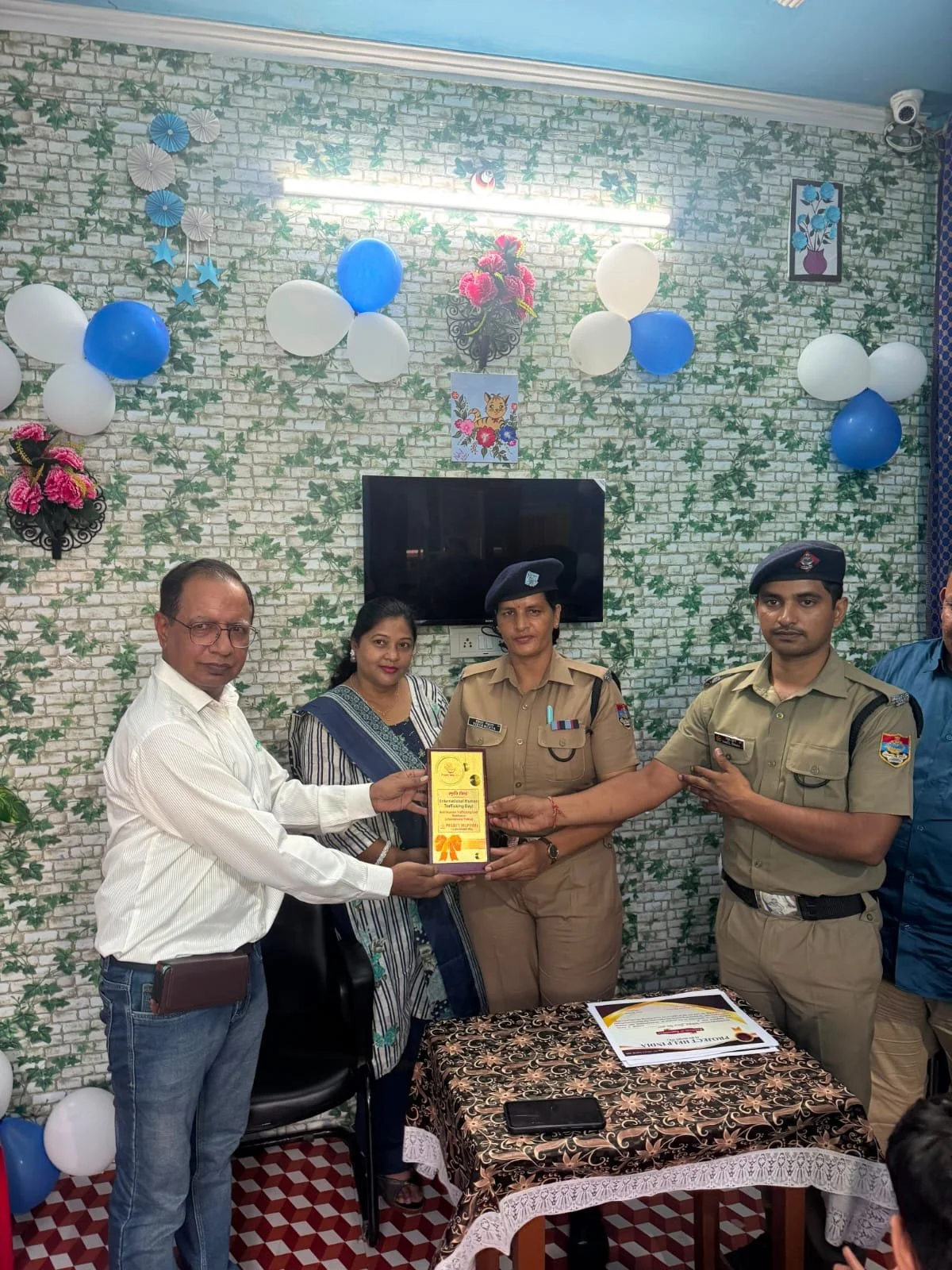
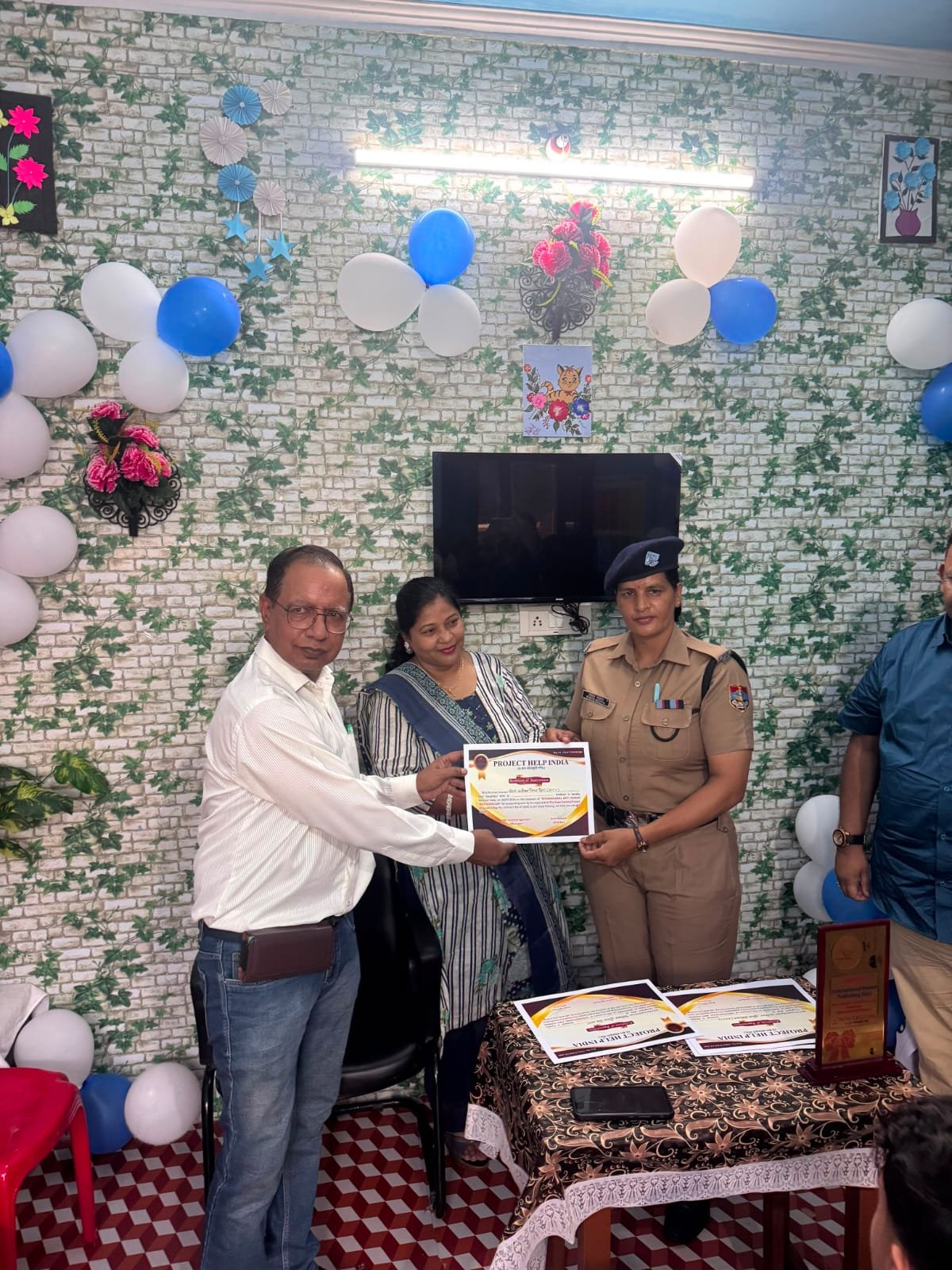
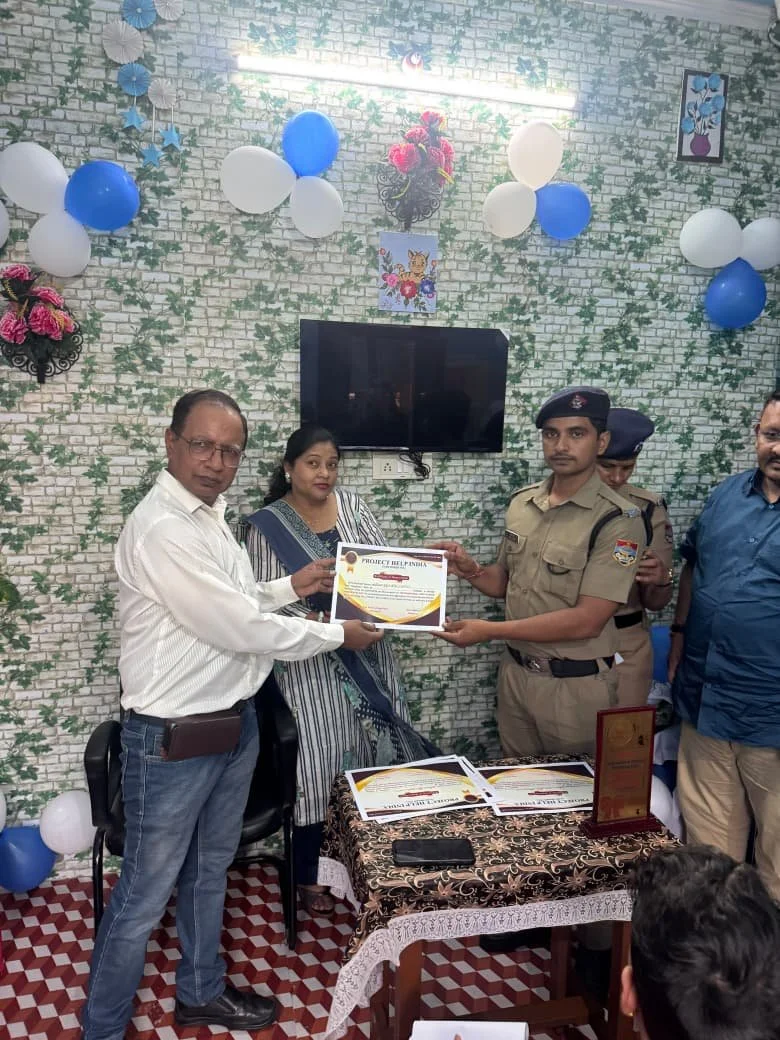
At the Project Help India office, we had the privilege of recognising the outstanding work of the Kotdwara Anti-Human Trafficking Unit, presenting the team with certificates of appreciation and commemorative mementos in recognition of their dedicated service during 2025–26.
Our Indian Director, Daisy Samuel, had the honour of presenting the certificates to members of the Anti-Human Trafficking Unit, thanking them for their professionalism, compassion, and unwavering commitment to protecting some of the most vulnerable members of our community.
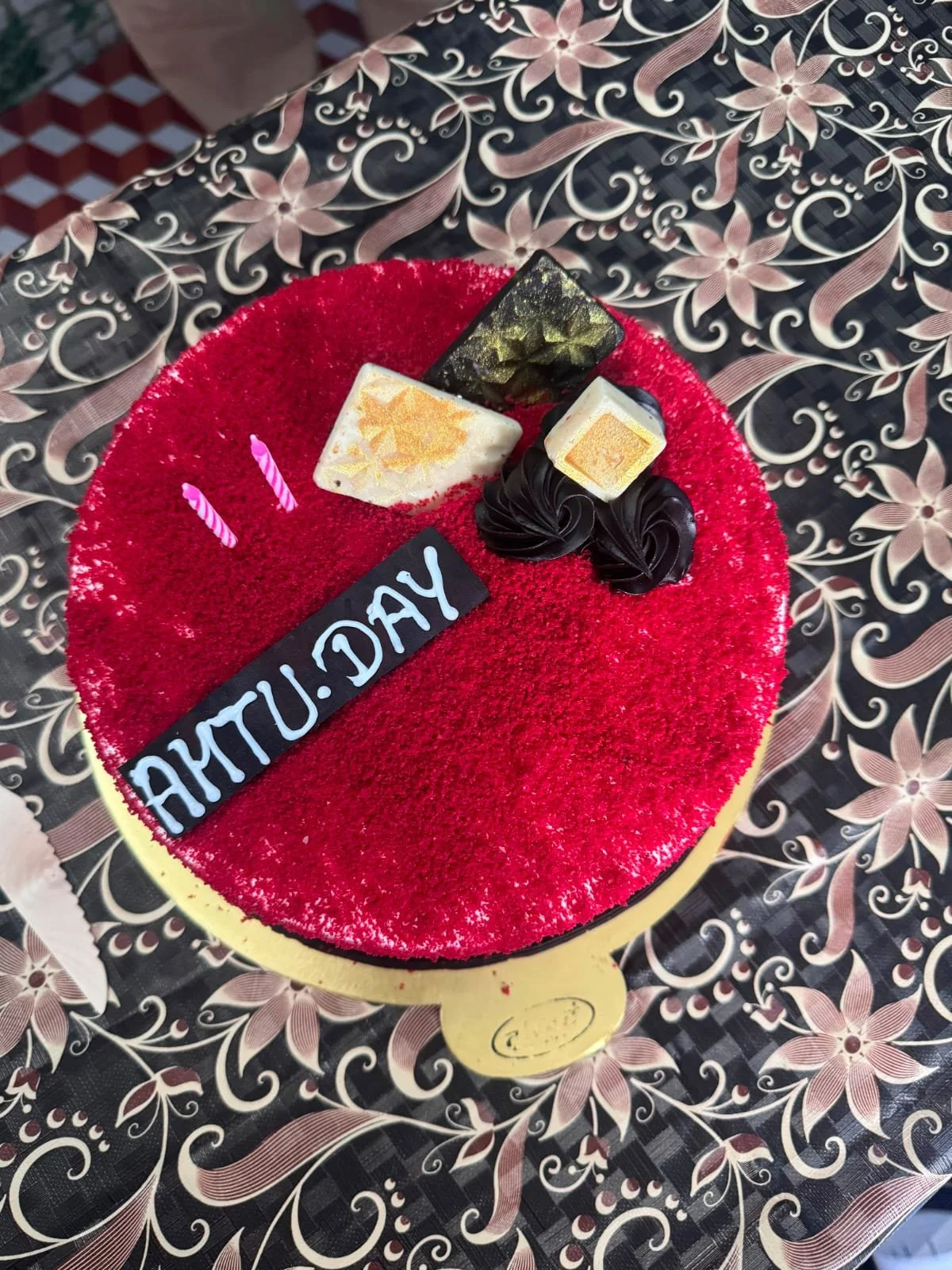
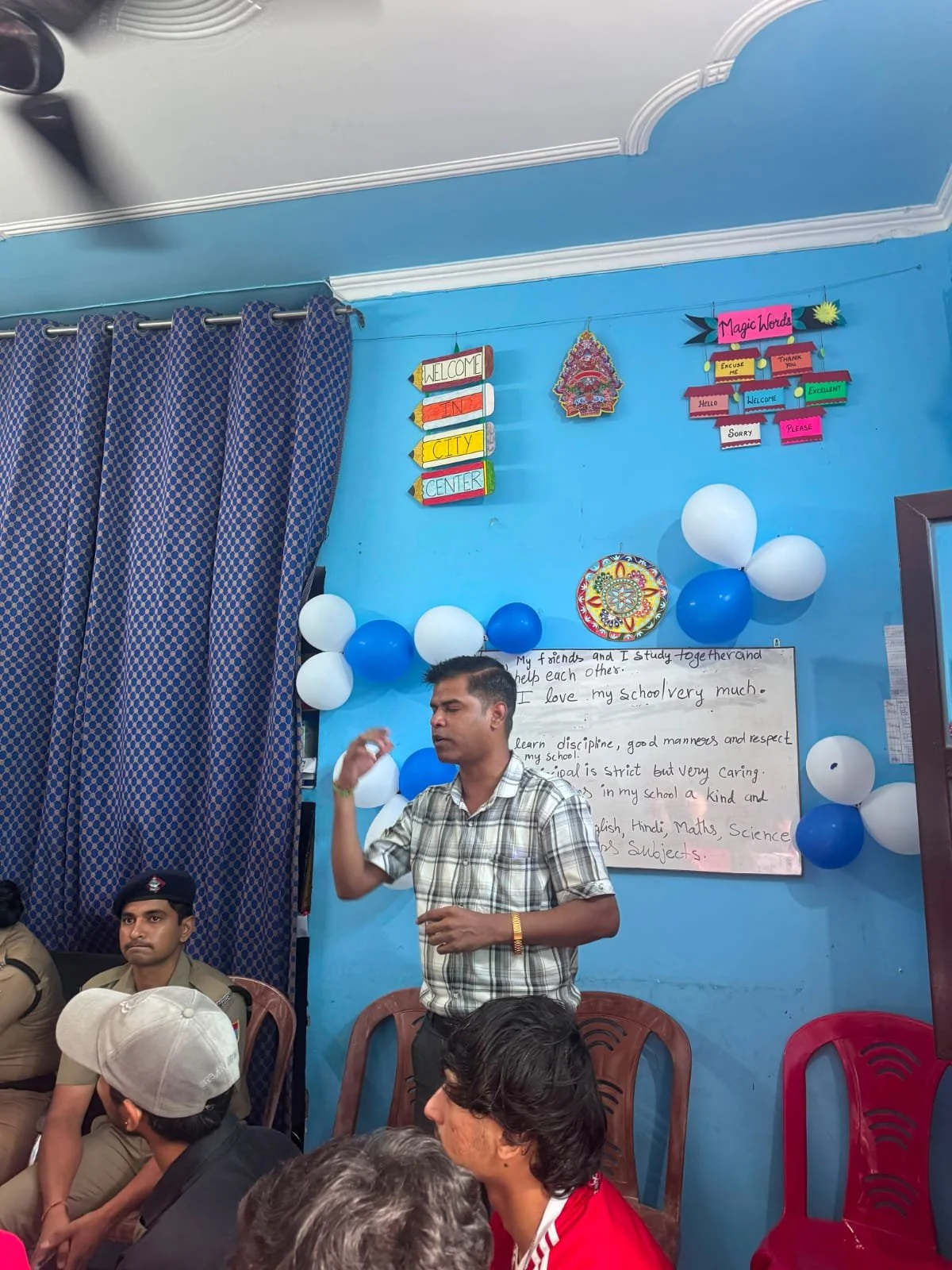
The celebration was made even more special by the presence of the Chief Medical Superintendent of the District Government Hospital, along with Project Help India staff and student volunteers. Together, we celebrated the occasion by cutting a cake—a simple but meaningful reminder that protecting children is a responsibility shared across many different sectors of our community.
More Than an Award Ceremony
To an outside observer, this may have looked like a simple presentation ceremony. For us, it represented something much deeper.
For more than a decade, Project Help India has worked alongside the Kotdwara Anti-Human Trafficking Unit, supporting rescue operations, assisting vulnerable children and families, raising community awareness, and helping strengthen child protection across our region.
These partnerships are not built overnight.
They are built through years of working together.
Through trust.
Through consistency.
Through countless conversations, shared challenges, and a common commitment to protecting children before they become victims of exploitation.
That trust is something we never take for granted.
It is earned every time organisations, police, health professionals, schools, lawyers, and community leaders choose to work together rather than in isolation.
A Partnership That Saves Lives
Human trafficking is often hidden from public view.
Many victims are exploited not because they are invisible, but because they are vulnerable.
Vulnerable children living in poverty.
Young people who have left school.
Families without legal identity.
Women experiencing domestic violence and abuse.
People living with disability or mental illness.
Protecting vulnerable people requires far more than police action alone.
It requires communities that are informed.
Schools that recognise warning signs.
Health professionals who know when something isn't right.
Government agencies willing to collaborate.
And organisations that are prepared to walk alongside both families and authorities whenever help is needed.
That is what genuine partnership looks like.
Looking Beyond the Headlines
One of the things that we have come to appreciate while preparing our recent publication is that child advocacy and anti-human trafficking are not separate issues.
They are deeply connected.
Every child who returns to school...
Every family helped to obtain legal identity...
Every awareness programme delivered...
Every trusted relationship built within a community...
helps reduce the vulnerabilities that traffickers seek to exploit.
In many ways, the most effective work against human trafficking begins long before a rescue operation ever takes place.
It begins by helping children flourish.
In Case You Missed It...
Earlier this week, to coincide with the United Nations World Day Against Trafficking in Persons, we released our latest publication:
CHILD ADVOCACY & ANTI-HUMAN TRAFFICKING
Protecting Children. Restoring Dignity. Strengthening Communities.
The publication shares the stories behind our Child Advocacy program, explores the realities of anti-human trafficking work in northern India, and highlights the importance of trusted partnerships with police, schools, health professionals, lawyers, government agencies, and local communities.
Inside you'll meet children like Suhail and Anshika, learn about the remarkable journey of Sanjay, discover how advocacy helps prevent exploitation before it begins, and gain an insight into why one of the greatest needs identified by police and child protection agencies is the establishment of a Safe House for rescued children and women.
👉 If you haven't yet had the opportunity to read the publication, we invite you to do so.
📖 Read the full publication here: here
Looking Ahead
Over the coming weeks, we will be sharing more stories from the frontline—stories that don't often make the headlines, but which reveal the quiet, faithful work of protecting vulnerable children and strengthening communities.
In our next article, we'll explore a question that many people have never considered:
What happens after a child is rescued?
Where do they go?
Who cares for them?
And why has the need for a dedicated Safe House become one of the most significant child protection challenges identified by police and community leaders in our district?
"Lasting change rarely begins with grand gestures. More often, it begins with ordinary people who simply choose to keep showing up."