Suhail’s Story - Dignity, Belonging and the Right to Be Seen

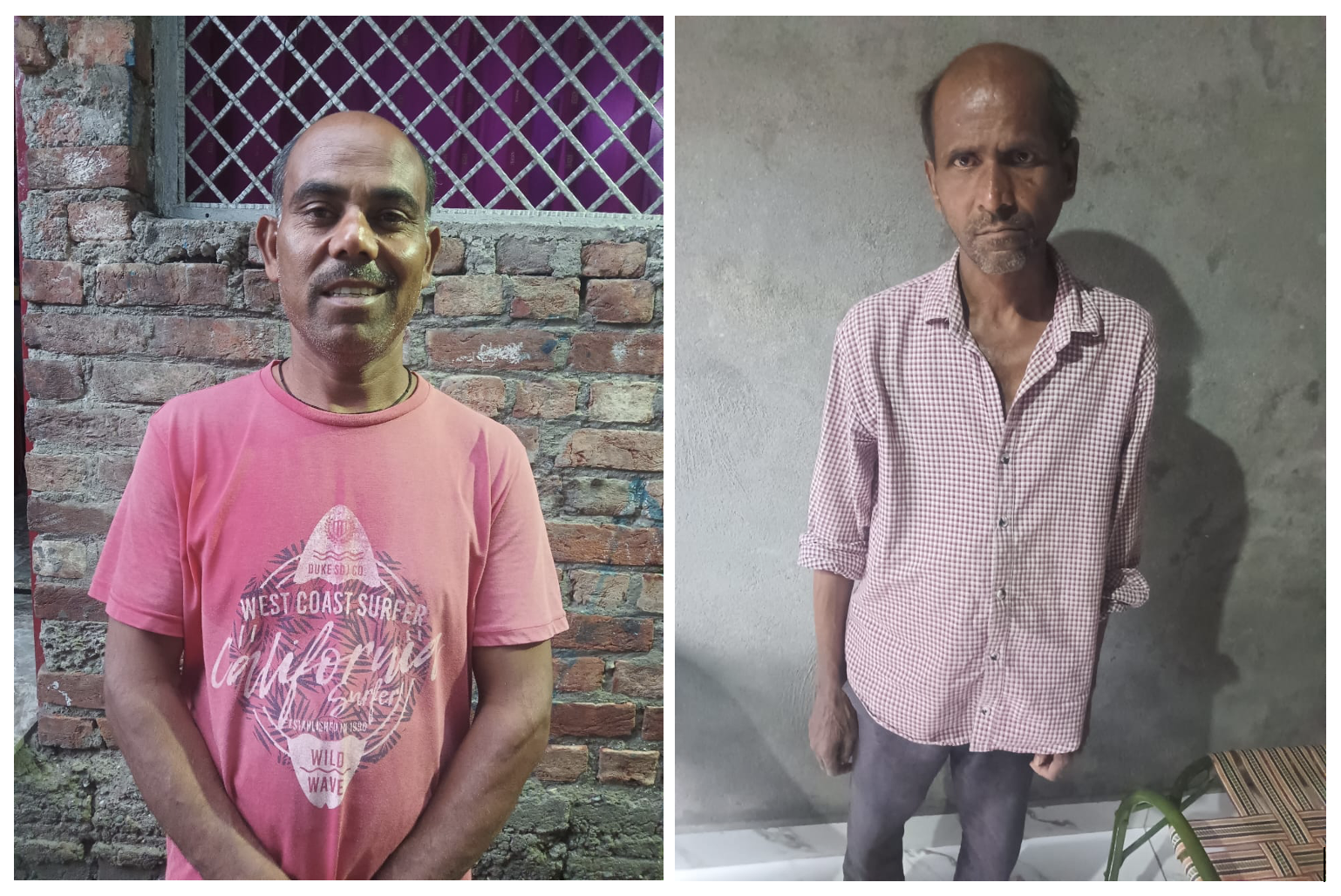
Suhail - here he is at about 15 years of age. Back then he was carried to school most days by his father.

There is something unforgettable about Suhail’s smile

Even after years of physical suffering, exclusion, isolation, and disappointment, he still lights up whenever visitors arrive at his home. He loves conversation, friendship, laughter, and simply being included.

And yet, for much of his life, Suhail has been largely forgotten by the world around him.

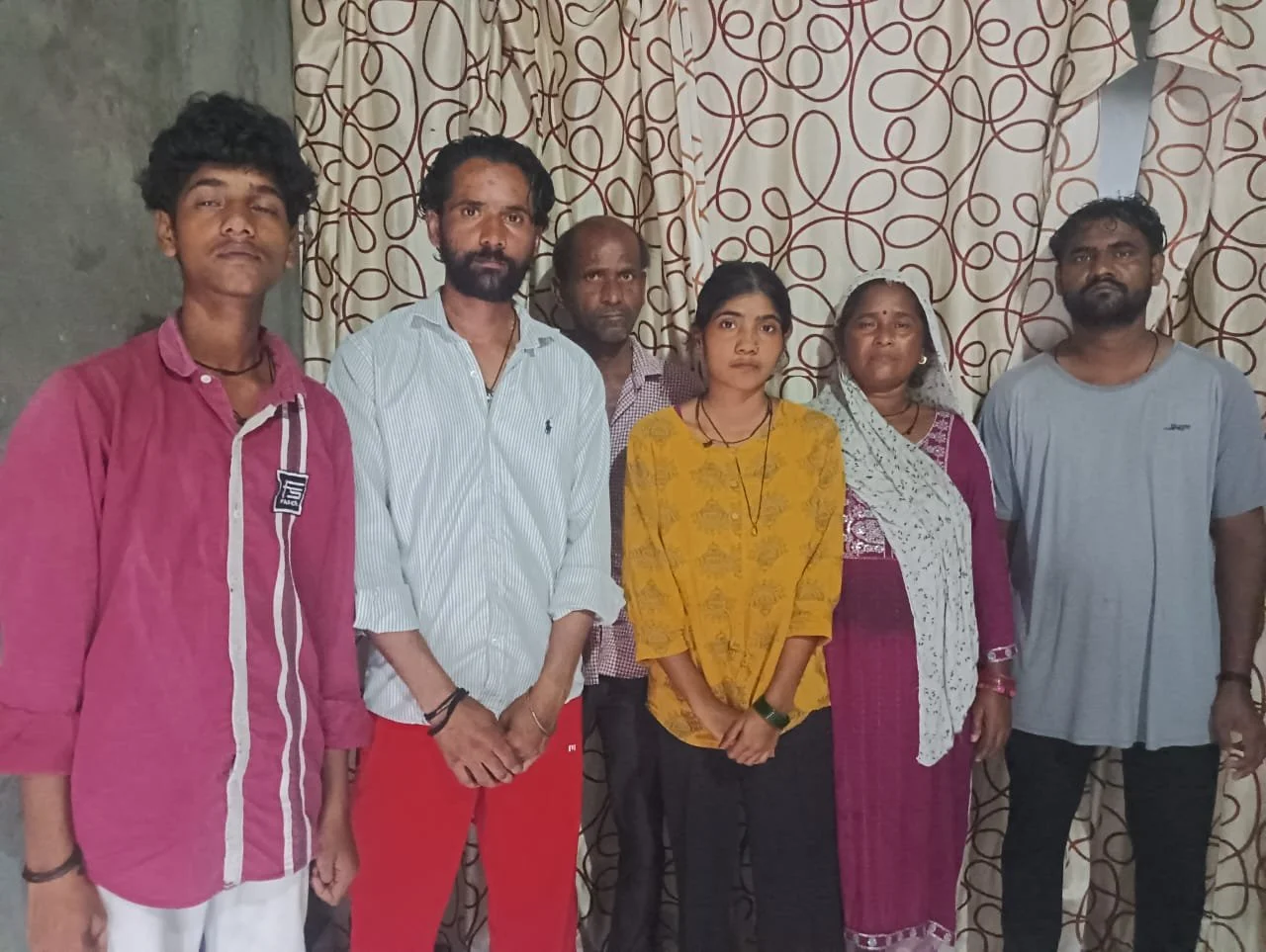
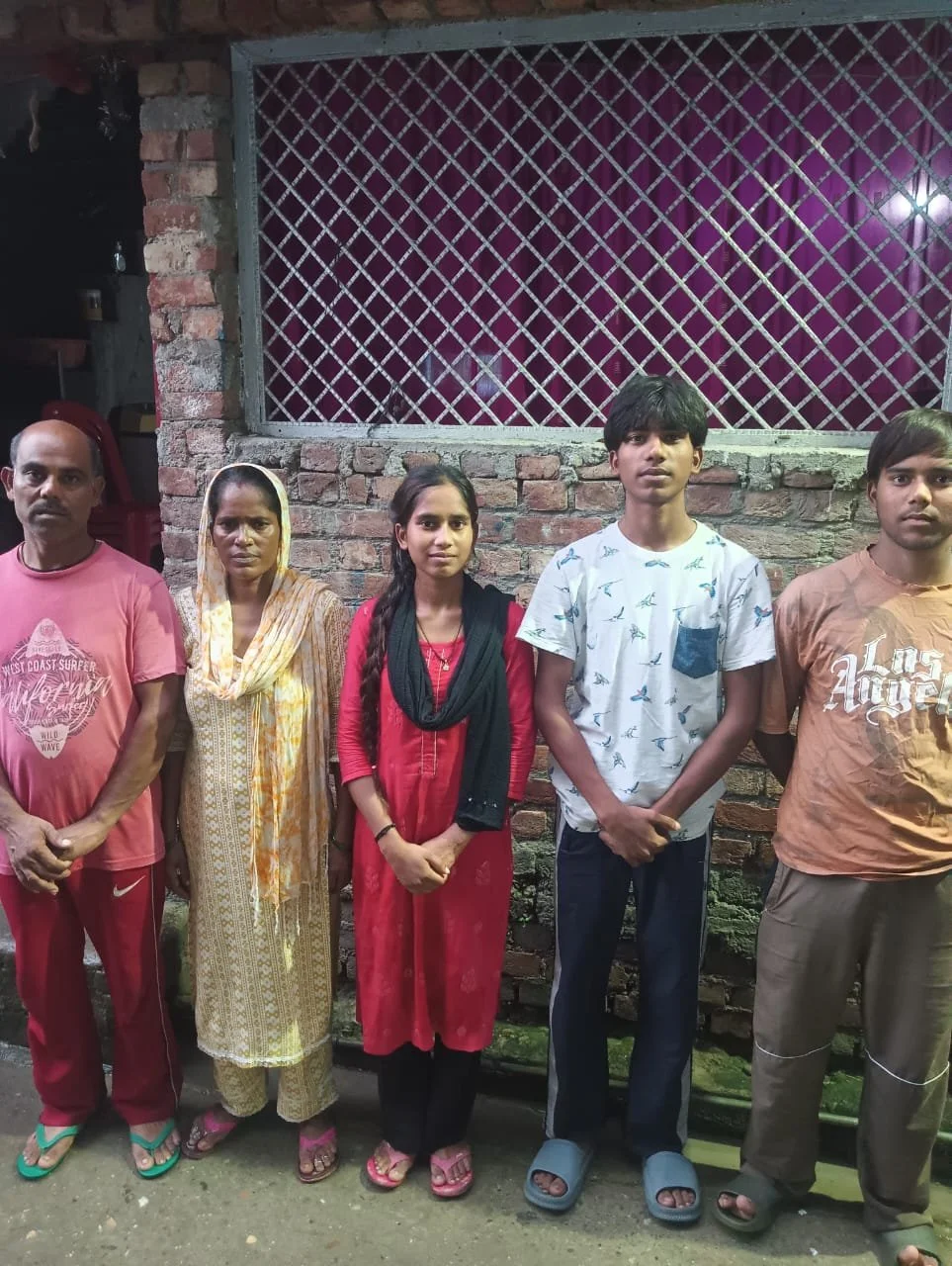
Suhail is 20 years old and lives with his family in a small two-room home in a slum community near the riverbank in Kotdwara, North India. His father sells fruit to support the family on a very modest income, while his mother has spent most of her life caring for Suhail full-time.

He is the youngest of eight children.

Suhail belongs to a Muslim family, and over the past decade it has been a profound privilege for our Project Help India team, as Christians, to walk alongside this family through friendship, practical care, advocacy, consistency, and love.

What began as disability support slowly became something much deeper:
relationship,
trust,
and belonging.

A Child, and a family, failed by the system

Suhail was not born with a disability.

As an infant he became critically ill with jaundice and later underwent intestinal surgery. Over time his body weakened significantly. His arms and legs became severely twisted, his back weakened, and eventually he lost the ability to sit, stand, or walk independently.

Today, he remains bedridden and housebound.

He also struggles to speak clearly, making communication difficult for people who do not know him well.

But perhaps one of the hardest parts of Suhail’s story has not been his disability itself.

It has been exclusion.

For many years, local schools refused to accept him because of his condition. Despite wanting desperately to learn and be included, Suhail was repeatedly denied access to education simply because he was considered “too difficult.”

In communities where disability is still deeply misunderstood, families can face painful stigma and isolation.

Some parents are blamed.
Some are shamed.
Some are treated as though disability is a punishment for past sins.

The loneliness carried by parents — especially mothers — can be enormous.

Alongside the emotional burden comes the financial reality:
medical costs,
reduced work opportunities,
ongoing care needs,
transport difficulties,
and little or no government support.

For many families, it becomes a life lived largely behind closed doors.

The Right to Education. The Right to Belong.

When Project Help India first connected with Suhail’s family more than 10 years ago through our Disability Centre ministry, one thing became immediately clear:

Suhail desperately wanted connection.

Because he could not attend school normally, our teachers began visiting him at home regularly. Some days staff would transport him to activities at the Disability Centre when possible. Other days they would simply sit with him at home — helping with basic learning activities, exercises, conversation, encouragement, and companionship.

Over time, those visits became life-changing.

For Suhail, Project Help India became his school.
His social world.
His community.
His connection to the outside world.

And in many ways, he may remain a lifelong student member of our Disability Centre unless ongoing advocacy can eventually help create opportunities for some form of meaningful supported employment or long-term community participation in the future.

That matters deeply.

Because every person — regardless of disability — deserves dignity, purpose, belonging, education, and the opportunity to participate in society.

Advocacy for the Most Marginalised

Suhail’s story is not isolated.

Across North India, there are still many children living with disability who remain hidden, excluded, or denied access to education and support.

Part of Project Help India’s growing advocacy work now involves actively identifying vulnerable children with disabilities who are being overlooked or discriminated against because of their condition.

In some cases, families are simply unaware of what support may exist.
In other situations, schools refuse enrolment.
And sometimes government systems become almost impossible to navigate for families living in extreme poverty.

One ongoing frustration has been Suhail’s repeated inability to access even a basic disability pension.

Although disability support technically exists, Suhail has continually been denied access because he cannot physically attend government offices and his fingers are too deformed to complete the biometric identification process required for registration.

It is heartbreaking.

And it is why advocacy matters.

Not simply charity.
Not pity.
But human dignity and human rights.

The right to education.
The right to be seen.
The right to belong.
The right to hope.

Love Still Finds a Way

Recently, one of our teachers visited Suhail’s home carrying a small Mothers’ Day gift for him to give to his mum.

Earlier in the year, the family also received an Eid gift package through Project Help India.

Simple moments.
Simple gestures.

But for families living in ongoing isolation and hardship, these moments matter enormously.

They communicate something powerful:

You are not forgotten.

Despite everything he has faced, Suhail continues to smile constantly. There is warmth in him. Joy. Gentleness. A love of life that somehow continues shining through enormous hardship.

And beside him, always, is his mother — carrying both exhaustion and extraordinary love.

A Future Still Worth Fighting For

Suhail’s story reminds us why Project Help India continues showing up.

Not only in classrooms and villages.
But also in hidden homes,
forgotten communities,
and among families carrying invisible burdens.

There is still much work to do.

More advocacy.
More support.
More opportunities.
More awareness.
More inclusion.

But we remain deeply hopeful.

Because every child matters.
Every family matters.
And every person deserves to know they are seen, valued, loved, and not alone.

Our hearts are filled with gratitude for the generous Australian family who has now committed to supporting Suhail and his family over the next 12 months.

Their kindness will help provide ongoing care, advocacy, educational support, practical assistance, and continued connection for a young man whose life has too often been marked by exclusion.

Thank you for helping us continue showing up where it matters most.

Four Children - Four Stories - One Hope for the Future

Meet some of the kids we love

Across Punjab, many of the children connected to Project Help India come from families facing deep hardship — poverty, illness, family breakdown, accidents, emotional trauma, the growing impact of drugs and alcohol within communities and families, and limited access to educational support.

Yet despite these challenges, we continue to see something remarkable:
children who still carry hope, courage, and a desire to learn.

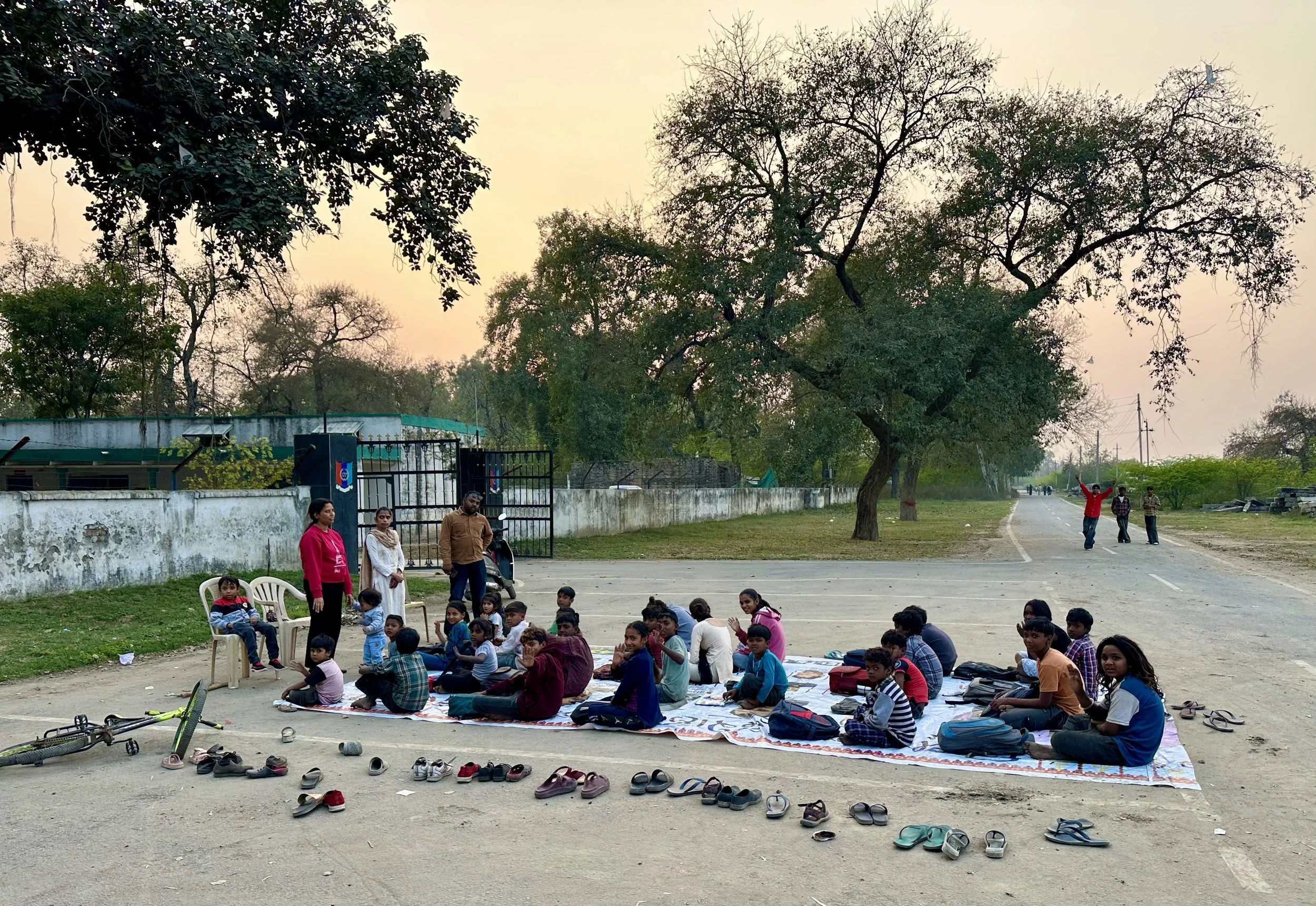
Through our village tuition centres and educational programs, PHI seeks not only to support children academically, but also emotionally, socially, and practically — creating safe places where vulnerable children can be encouraged, nurtured, and given the opportunity to build a brighter future.

This month, we wanted to introduce you to four of the many children whose lives are being impacted through these centres.

Ramandeep’s Story - When One Accident Changes Everything

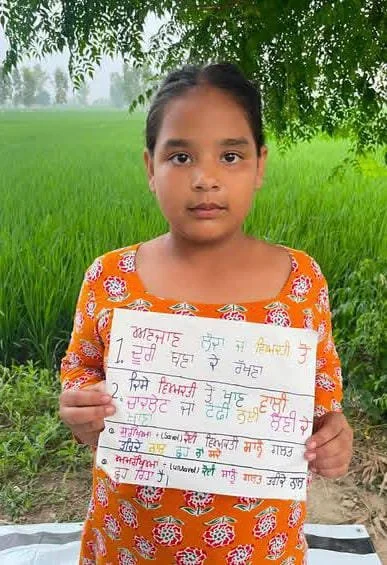
Ramandeep is a young girl studying in Class 4 who lives with her parents and older brother in Punjab.

Until recently, her family was living a simple but stable life. Her father worked hard each day to support the family, and both children were faithfully attending school and studying at the Katora Centre under the care of teacher Seema Mam.

But everything changed when Ramandeep’s father suffered a serious accident and broke his leg.

Unable to work for more than a month, the family quickly fell into severe financial hardship. Food became scarce, medical expenses increased, and the emotional pressure on the family became overwhelming.

As the stress grew, both children began missing classes regularly.

Concerned about their absence, Seema Mam visited the family home and personally saw the difficult conditions they were now facing.

Despite these hardships, Ramandeep and her brother still desperately want to continue their education and build a better future for themselves.

Sometimes all a struggling family needs is timely support, encouragement, and the reassurance that they are not facing hardship alone.

Ramandeep with her father and brother

Jaspreet’s Story - A Brave Young Girl Facing Daily Pain

Jaspreet is a bright and determined 10-year-old girl studying in Class 5.

Since childhood, she has suffered from a serious ear condition that causes constant pain, fluid discharge, and hearing difficulties. More recently, she has also begun experiencing problems with her eyesight.

The ongoing pain has often made it difficult for her to focus in class, participate fully in activities, or enjoy life like other children her age.

Despite these challenges, Jaspreet loves learning and especially enjoys playing hockey with her friends whenever her health allows.

Her family’s financial situation makes proper medical treatment extremely difficult to afford, but through the support and encouragement of her teacher at the Slum Centre, Pooja Mam, Jaspreet has slowly begun regaining confidence and interest in her studies.

What stands out most about Jaspreet is her resilience.

Even while dealing with constant discomfort, she continues showing up, trying her best, and holding onto hope for a healthier future.

Gurkirat’s Story - Recovering, Learning, and Finding Joy Again

Four-year-old Gurkirat Singh is a cheerful young student attending the Gatti Rajo Ke Centre together with his older sister.

A few months ago, Gurkirat suffered a serious accident and broke his leg. Due to the severity of the injury, doctors were forced to insert a metal rod into his leg during treatment.

Although he is now able to walk again, he is still unable to run and play like other children his age.

For a young child, this has been incredibly difficult emotionally.

But each day, Gurkirat continues attending the centre where he can learn, spend time with other children, and feel included and supported.

His classmates have shown remarkable kindness, helping him feel connected and cared for during his recovery.

For his parents — who work hard each day as daily wage labourers — the centre has become far more than simply a place of education. It has become a safe and encouraging community for their son during a very challenging season of life.

Amandeep’s Story - From Silence to Confidence

Amandeep Kaur is eight years old.

When she was only two, her mother left the family home following a family dispute. Since then, Amandeep and her sister have been lovingly raised by their grandmother, Sukhi.

As Amandeep grew older, the emotional impact of her mother’s absence deeply affected her confidence and learning.

She became extremely quiet and withdrawn, struggled socially, and found it difficult to read and write at the level expected for her age.

Concerned for her granddaughter’s future, Sukhi eventually heard about the free Educational Centre in Purana Makhu and reached out for help.

At first, Amandeep barely spoke. She would sit silently in class, avoiding eye contact and showing little interest in learning.

But Anita Mam, one of the centre’s teachers, patiently and gently encouraged her step by step in a safe and caring environment.

Slowly, something beautiful began to happen.

Amandeep began learning to read and write. Her confidence grew stronger. She started participating in class activities, talking with other children, and expressing herself more openly.

Today, she is a happier, more confident young girl who is beginning to believe in herself and her future once again.

Her story is a powerful reminder that love, patience, encouragement, and consistent care can help transform a child’s life.

💛 How You Can Help

Behind every child’s story is a family carrying enormous challenges — and a community working together to help children remain safe, hopeful, and connected to education.

If these stories have touched your heart and you would like to support children like Ramandeep, Jaspreet, Gurkirat, and Amandeep, we would love to hear from you.

Your support helps us continue providing educational programs, practical care, emotional support, advocacy, and hope to vulnerable children and families across India.

Thank you for helping us continue showing up where it matters most.

Make your donation by clicking the DONATE button at the top of this page.

Bringing Smiles, Health and Care to Kadarganj

Free Dental Clinic for Children and Families

This week, Project Help India organised a free dental check-up clinic for children and parents connected to our Kadarganj Village centre in Kotdwar.

The clinic was led by local dental surgeon Dr. Nikita, who generously volunteered her time to provide examinations, advice, medicines, and toothpaste free of charge for families in the village.

In total, 27 children received dental check-ups during the camp.

For many families in communities like Kadarganj, access to dental care is extremely limited, and for some its not an option until an emergency issue presents.. Medical and dental concerns are often left untreated simply because families cannot afford the cost of travel, consultations, or ongoing treatment.

During the examinations, Dr. Nikita found that many children were suffering from swollen gums and significant blackening of teeth. She explained that the problem may be linked to poor water quality and high levels of fluorosis in the local water supply.

Parents were encouraged to boil drinking water where possible and allow it to cool before use, or to use water filters if available.

Importantly, Dr. Nikita also offered ongoing support to the families, warmly inviting parents to bring their children to her clinic in Kotdwar for future treatment free of charge if needed.

This was the first medical outreach clinic organised by Project Help India for the Kadarganj community — and for many families, it was a reminder that they are seen, valued, and not forgotten.

Alongside education and advocacy, we continue to see how important practical healthcare support is for vulnerable children and families.

We are deeply grateful to Dr. Nikita for partnering with us in such a generous and compassionate way.

Thank you for helping us continue showing up where it matters most.

Pedalling Toward a Better Future

Children Lead Bicycle Rally in Kotdwara

This month, students in Kotdwar took to the streets with a simple but powerful message:
’Save Fuel. Save the Environment. Protect Your Health’.

Together with students from Happy Home School and Scholars School, Project Help India organised a community bicycle rally through Kotdwara city to raise awareness about environmental responsibility, healthy living, and the importance of reducing fuel consumption.

Around 50 children participated enthusiastically in the rally, riding through the streets carrying messages encouraging people to think differently about transport, pollution, and caring for the world around them.

The rally was officially flagged off by the Mayor of Kotdwara, Mr. Shailendra Singh Rawat, together with members of the Child Advocacy Team.

Speaking at the event, the Mayor reflected on the growing environmental challenges facing India and encouraged young people to become part of the solution.

He noted that while bicycles were once commonly used throughout India, increasing dependence on motorbikes and cars has contributed significantly to rising pollution levels and fuel consumption.

He also praised the students and Project Help India for helping raise awareness in such a positive and practical way.

For us, events like this are about much more than a bicycle rally.

They are about empowering children to become thoughtful, confident, community-minded young people who understand that even small actions can help create change. As well, it was lots of fun for everyone involved.

Across our centres and programs, we continue encouraging children not only to learn for themselves — but also to become positive voices within their communities.

We are incredibly proud of every student who participated, and proud of our Project Help India family.

Thank you for helping us continue showing up where it matters most.

We Stopped. We Helped. But They Still Need Us

A Little Girl, A Family in Crisis and a Chance to Help

Not often do we ask for help for one individual family’s circumstances. But when we do, it is because the situation is critical.

Earlier this year, Rowena and I travelled through Punjab. We have visited India many times and, over the years, we have witnessed poverty that is hard to put into words. Poverty that is ugly, brutal, exhausting and deeply unfair.

And if we are honest, when you visit the slums year after year, there are moments where you can become a little desensitised. Not because you stop caring, but because the need feels endless.

Then something jolts you awake again.

A dirty child with matted hair kicking a half-flat soccer ball through dust.
A mother bathing her baby beside a sewer drain.
An elderly woman stirring a meal over a fire fuelled by burning rubbish and plastic.
A family of six sleeping in a single room with a dirt floor and plastic sheets for roofing.

Those moments stay with you.

And this family stayed with us.

Their names are Priya, her mother Kamaljeet, her siblings and grandmother. We met Priya in early March, and after hearing her story, we could not walk away without helping.

This Beautiful Family is Carrying So Much

Priya is just ten years old and currently in Class 5. She is bright, eager to learn and full of quiet determination. Her teachers describe her as hardworking, mature and responsible beyond her years.

But behind her gentle smile is a heartbreaking story.

Earlier this year, Priya’s father died suddenly after years of alcohol addiction. His passing left the family devastated emotionally and financially.

Now the entire burden of supporting the household falls on Priya’s mother, who works as a domestic helper cleaning other people’s homes. One of Priya’s older sisters works alongside her to help the family survive.

As if that were not enough, Priya’s grandmother recently fractured her arm and is unable to work or help around the home.

The family’s living conditions are extremely poor. Daily life is uncertain and difficult. Yet despite everything, they remain kind, gracious and deeply grateful.

They do not ask for anything.

That is what makes this so hard.

Why We Are Asking for Help

When we first met this family, we provided emergency rations and simple food supplies to help them get through those first difficult months.

But we have since learned that their situation has not improved.

And it likely will not improve until the grandmother is able to recover and return to work.

This is where we are hoping our beautiful community might step in.

For just 2500 rupees a month, which is approximately $36 AUD, this family can receive practical support that will help them survive this incredibly difficult season.

Ideally, we are hoping to find sponsors willing to commit to 12 months of support.

A full year sponsorship is approximately $450 AUD.

That amount helps provide food, essentials, stability and hope.

Sometimes numbers can feel small on paper. But in places like this, small acts of generosity change everything.

The Reality We Cannot Ignore

It is easy to scroll past suffering when it feels far away.

But this little girl is real.
This family is real.
Their grief is real.
Their hunger and uncertainty are real.

And yet so is their courage.

Priya continues showing up to school and attending her tuition centre despite carrying enormous emotional pain and stress. Her teachers say she still dreams of a better future.

There is something incredibly humbling about people who have so little and still smile warmly, still welcome strangers kindly, still hold onto hope, and yet never ask for help even when their need is so great.

We often talk about wanting to make a difference in the world. Sometimes that difference is not complicated.

Sometimes it simply looks like stopping.
Seeing.
Caring.
And choosing not to walk away.

Can You Help?

We know times are hard for many people right now, and we never take generosity lightly.

But if you are in a position to help, even in a small way, we would be incredibly grateful.

Whether you sponsor one month, contribute toward a full year, or simply share this story with others, every act of kindness matters.

Because behind every statistic is a child.
A mother.
A grandmother.
A family trying to survive.

And sometimes the greatest gift we can give another human being is the reminder that they have not been forgotten.

Thank you for reading.
Thank you for caring.
And thank you for helping us wrap around this beautiful family with dignity, compassion and hope. If you can make a donation please do so by clicking the DONATE box at the top of this page

With love,

The Project Team

We Are Seeing More Than We Did Before

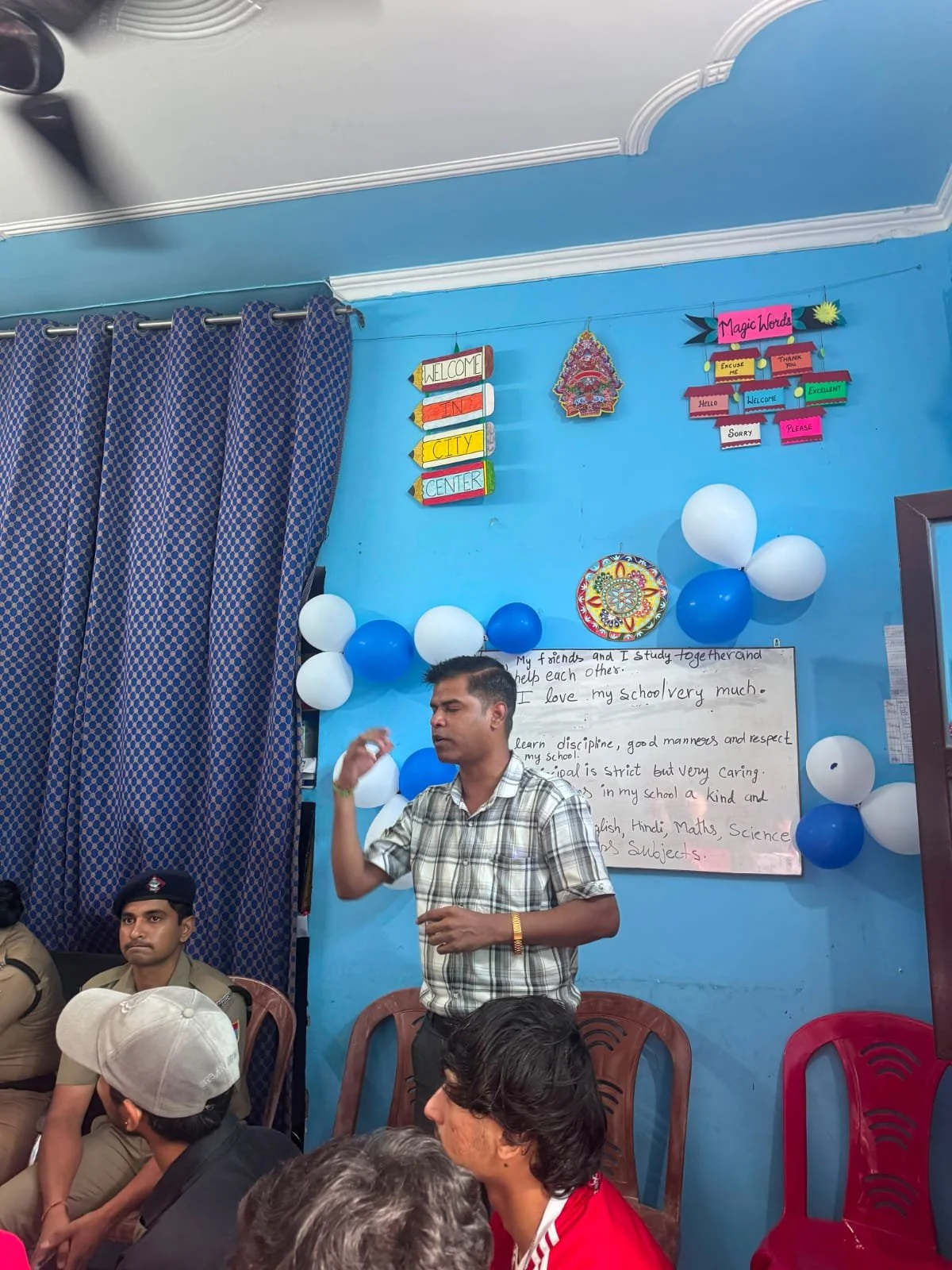
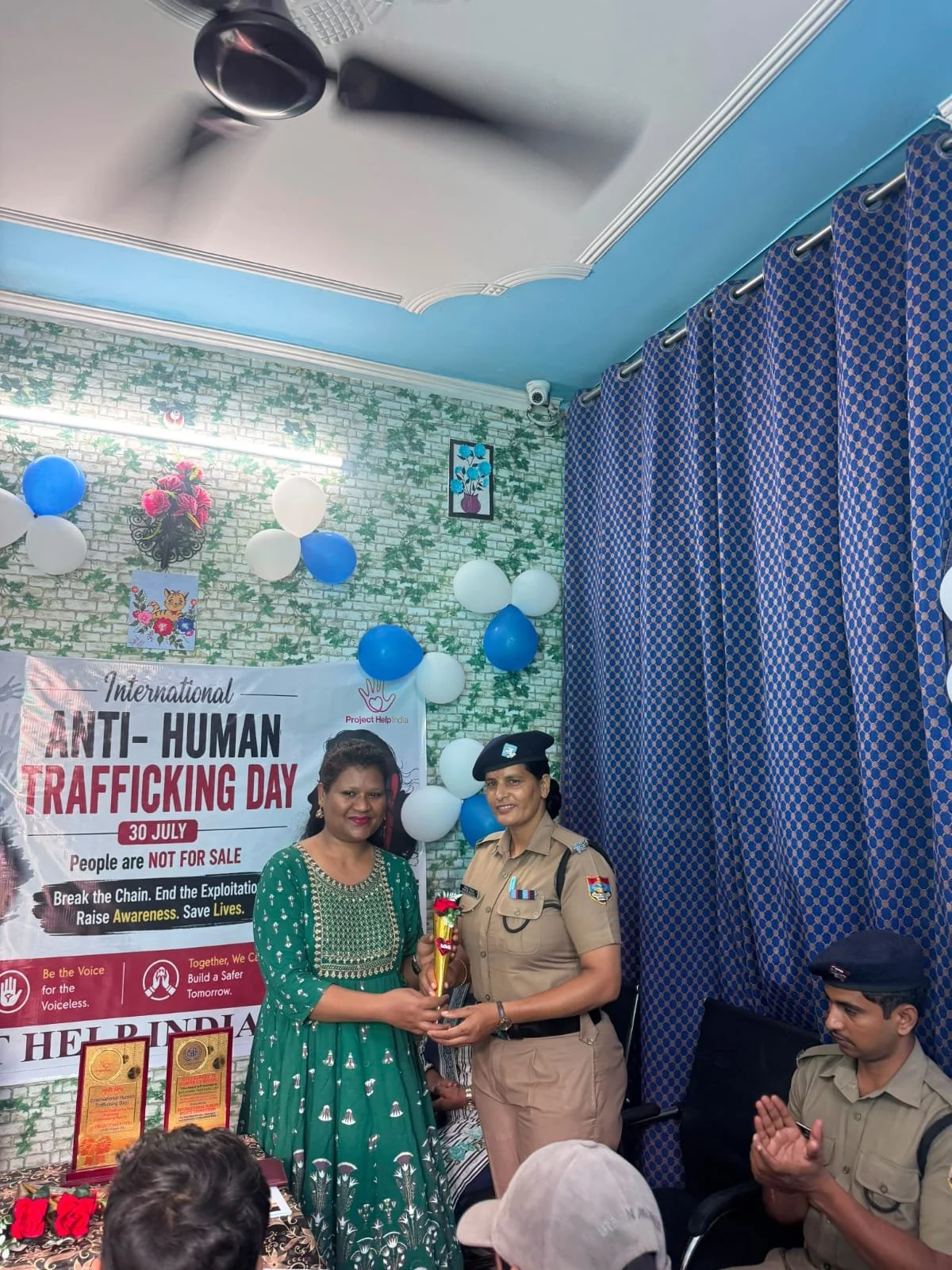
Project Help India Director Amit Samuel (4th from the left) meeting with police, educators, and community leaders in Kotdwara as a new Child Protection & Advocacy Task Force begins responding to vulnerable children at risk of exploitation, substance abuse, and trafficking.

On the Ground

Across the communities where Project Help India works, we are continually reminded of both the beauty and the complexity of this work.

Every day, our teams spend time with children in our centres, visit families, support vulnerable communities, and continue building relationships that have grown through trust and consistency over many years.

But increasingly, we are also seeing something else.

Something harder to ignore.

In recent conversations with local police and community leaders, we are increasingly hearing about children at significant risk of harm — children living on the streets, disengaged from education, and vulnerable to exploitation.

Some are using substances at a very young age.
Some are being influenced or controlled by others.
Some are simply trying to survive.

These are not always the stories that are easy to tell.

But they are real.

And they are becoming more visible.

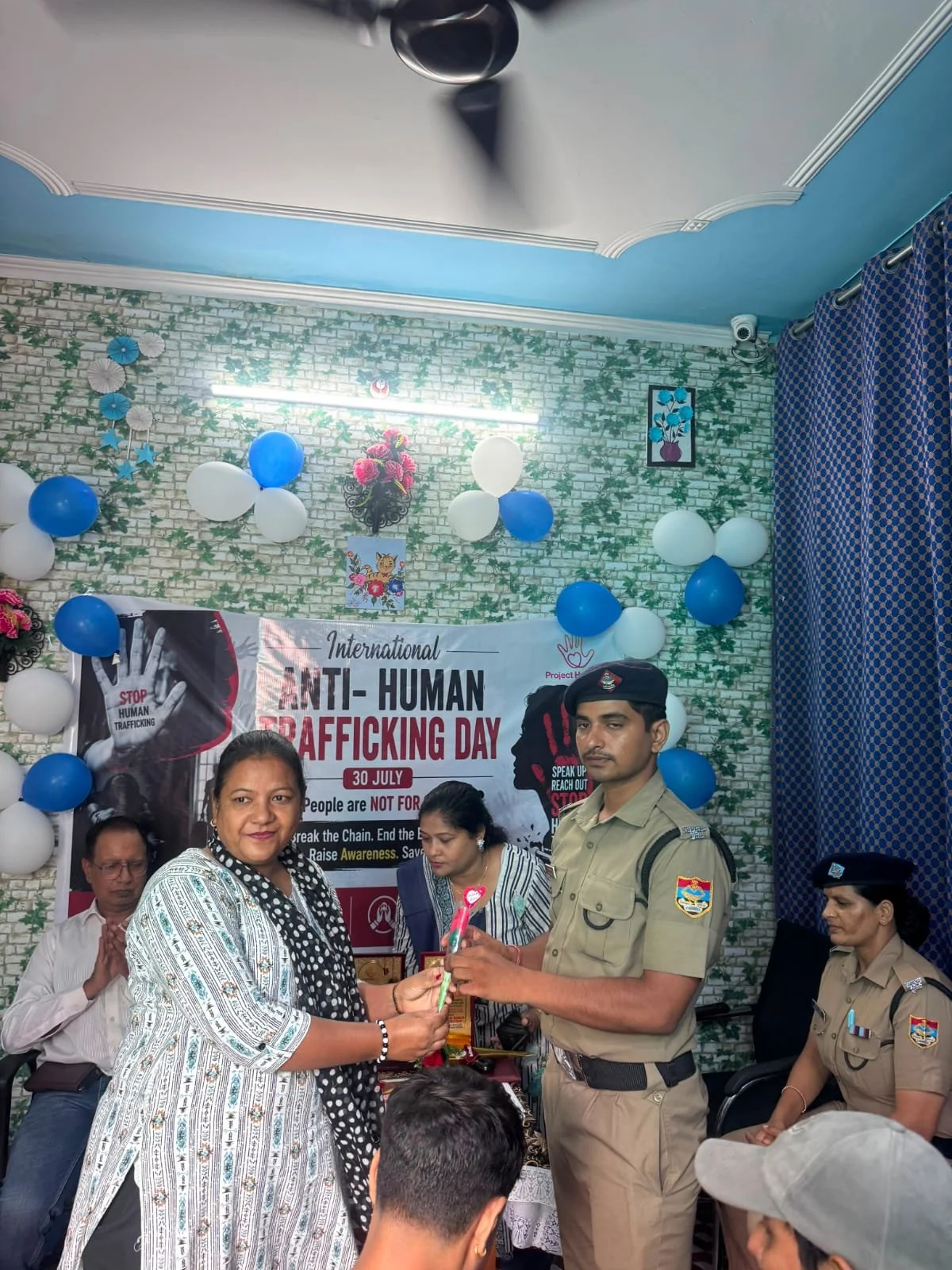
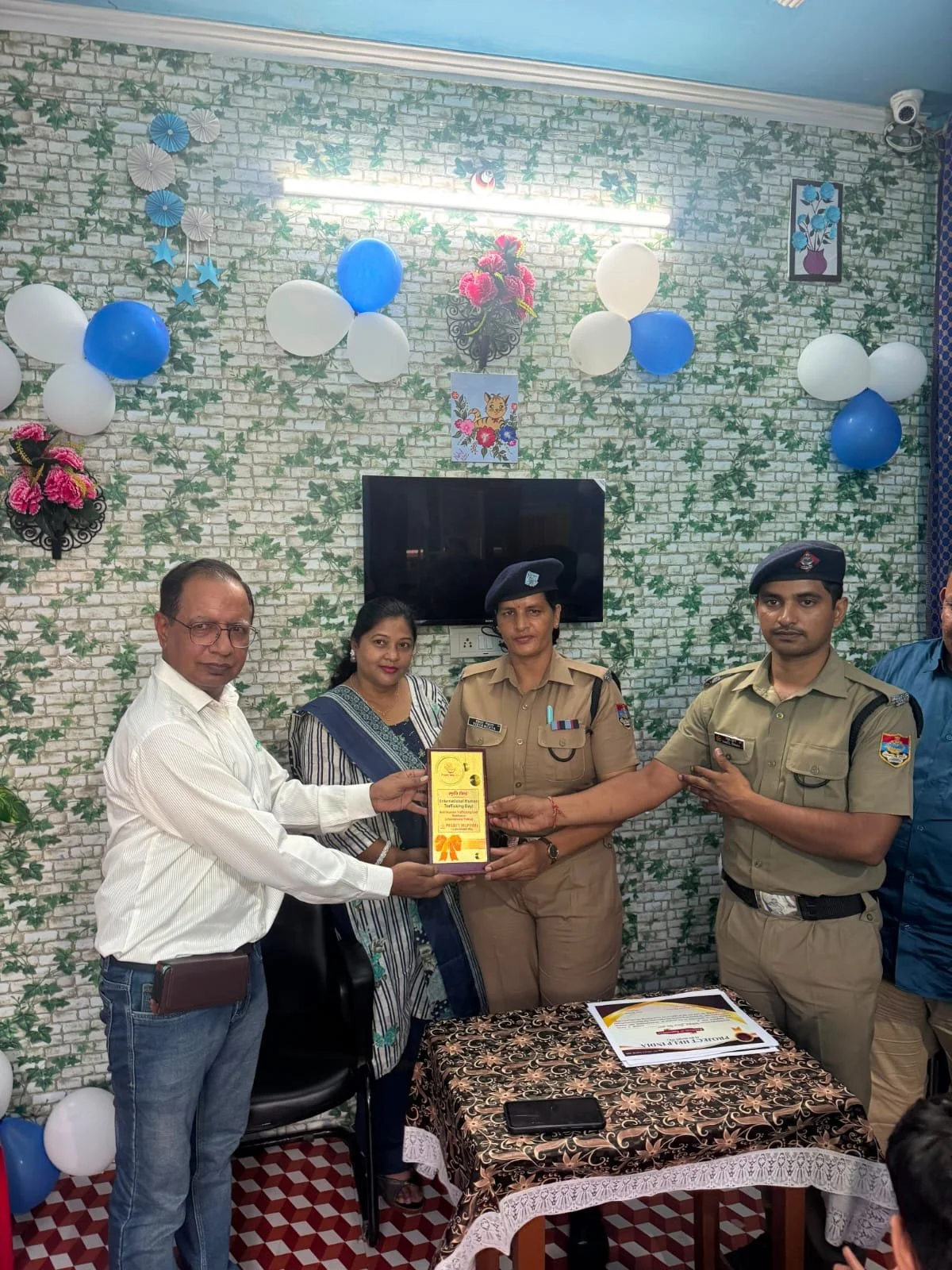
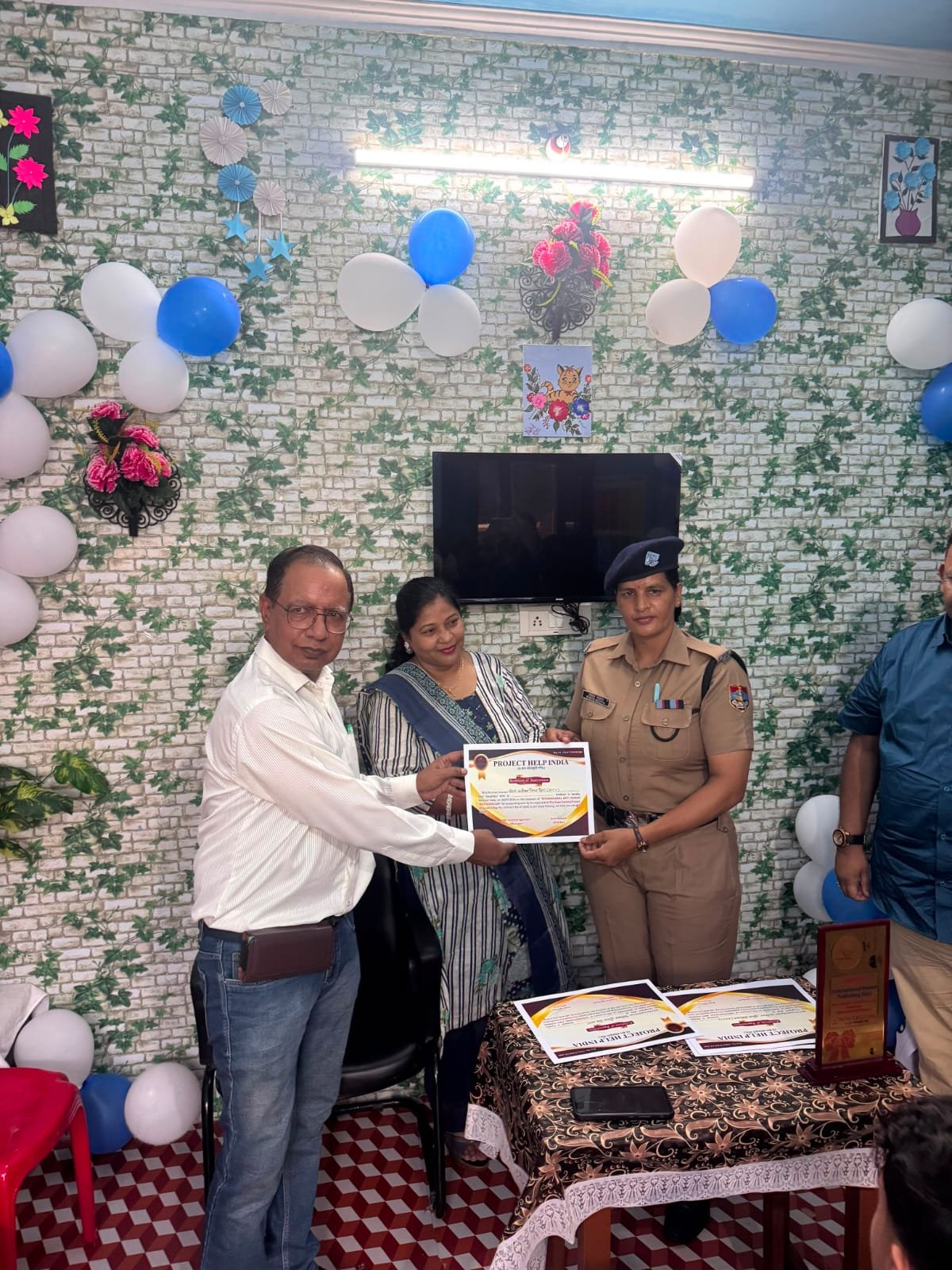
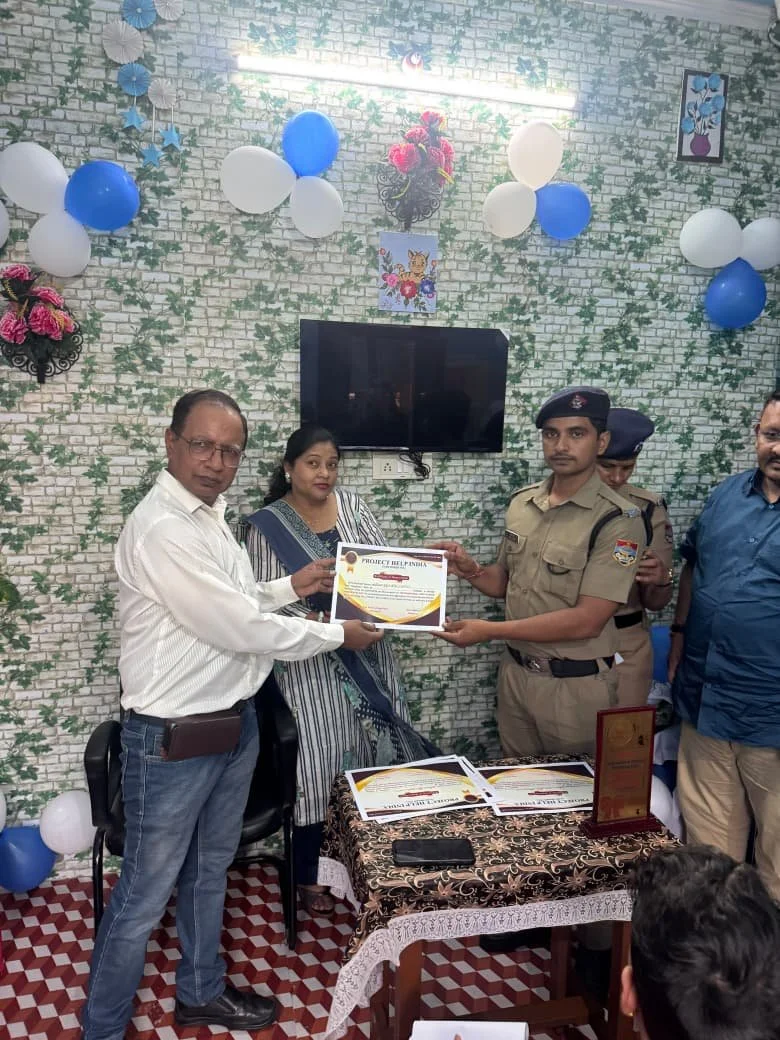
Last month, our Director met with the Anti-Human Trafficking Police Unit in Kotdwara, alongside government officials and community representatives. Together, they discussed the growing need to better identify, support, and protect vulnerable children.

What became clear is this:

While efforts are being made, there are still significant gaps — and often very few people willing or able to stand alongside police and local authorities as they respond with limited resources.

Children are being rescued — but often there is nowhere safe for them to go.

Families are struggling — but have limited support.

Communities are sometimes aware, yet also accepting or uncertain about how to respond, often lacking both resources and support themselves.

And so, as an organisation, we are continuing to listen, to learn, and to consider what role we can play.

Because for us, this work is not about reacting once.

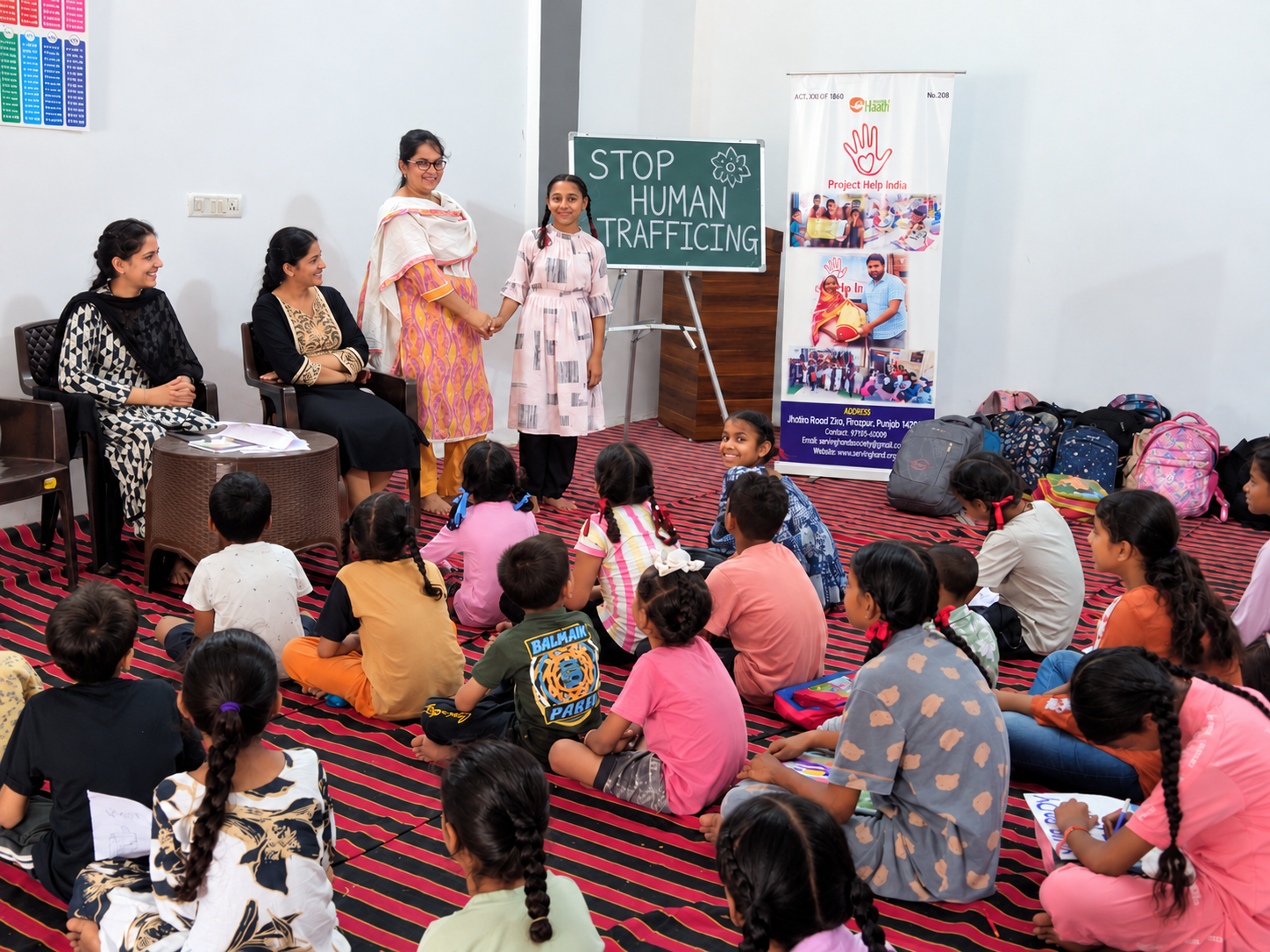
It is about continuing to show up — in simple, practical ways like helping with resources, giving school and community talks, and reaching out to vulnerable children and their families, through to longer-term advocacy and strategic planning.

Just over the past two weeks, we have:

  • Worked with police and local schools in response to a series of tragic drug-related deaths involving teenagers in the community

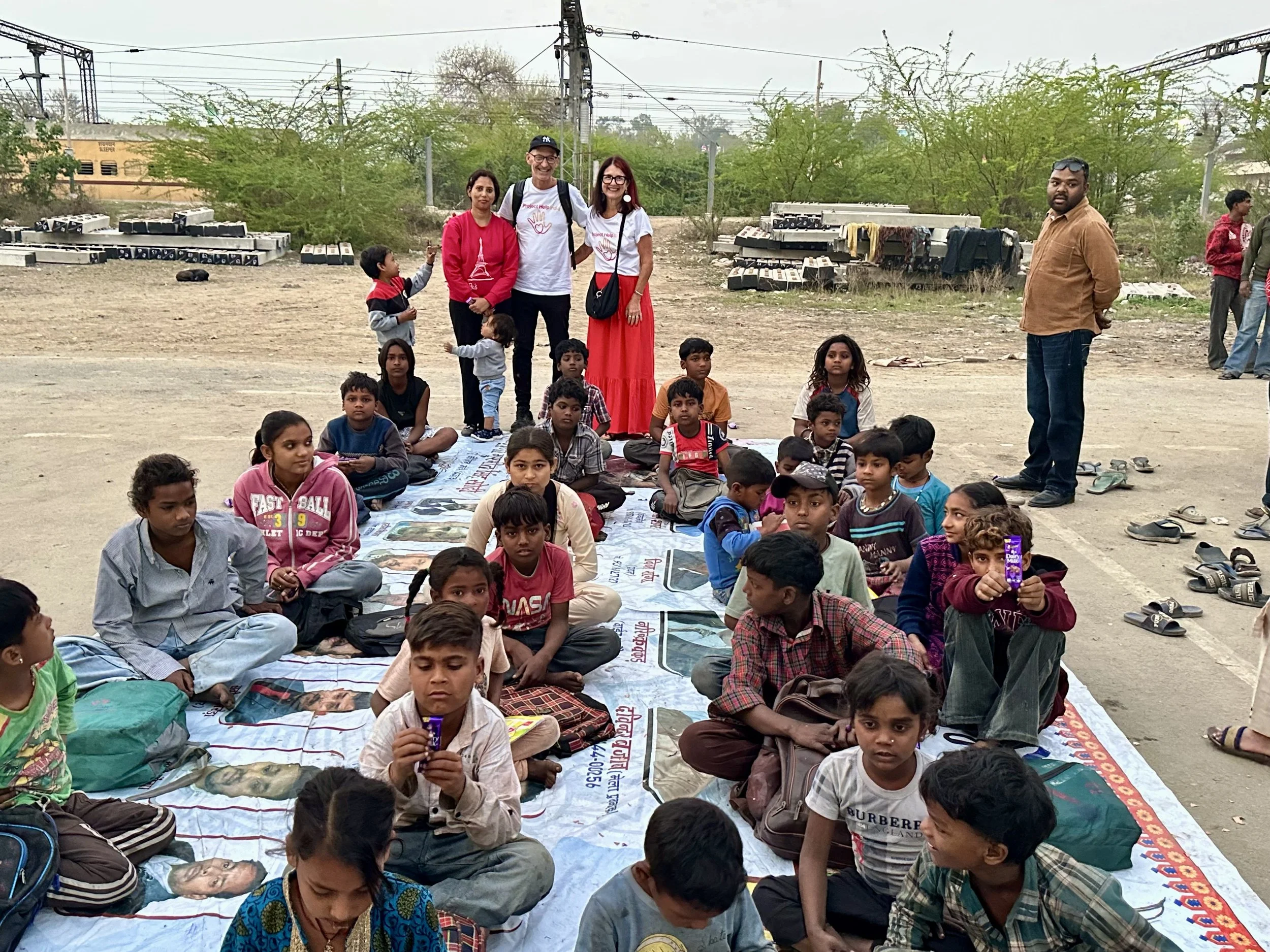
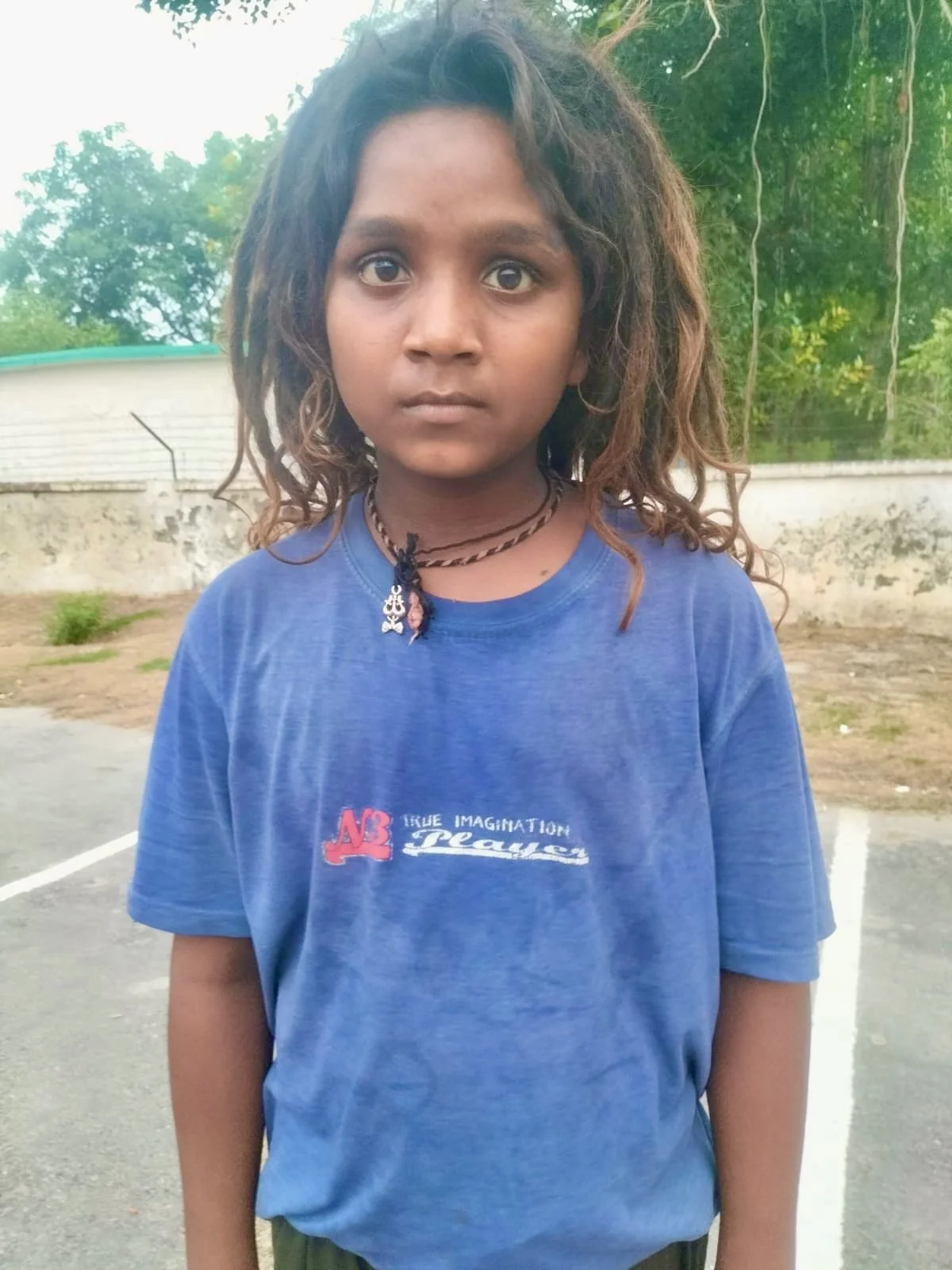
  • Worked alongside police to identify and support 12 highly vulnerable street children (aged 12 and under), many living in extreme poverty and at significant risk

  • Spent time planning and organising our limited resources for what needs to be done next — and this is where we will need your help

In the coming month, we’ll be sharing more about what we are seeing, and how we are responding — particularly in the area of child advocacy and protection.

Thank you for continuing to stand with us — and for helping us keep showing up.

A Mother’s Day Tribute to the Women Who Shape Our World

This Mother’s Day, we pause with gratitude and admiration for the incredible women who make up the heart of Project Help India — from our dedicated team members and supporters around the world to those here in India who are part of our PHI family. Together, your compassion, strength, and care continue to uplift lives and bring hope to countless communities.

To every teacher, director, administrator, caregiver, volunteer, sister, aunt, neighbour, and mother — thank you. Through the sacrifices you make and the countless ways you show up for others each day, you impact lives more deeply than words can express. So often, these acts of love go unnoticed, unappreciated, and without thanks — yet you continue anyway, reflecting the beauty of God’s unconditional love through your compassion, strength, and selflessness.

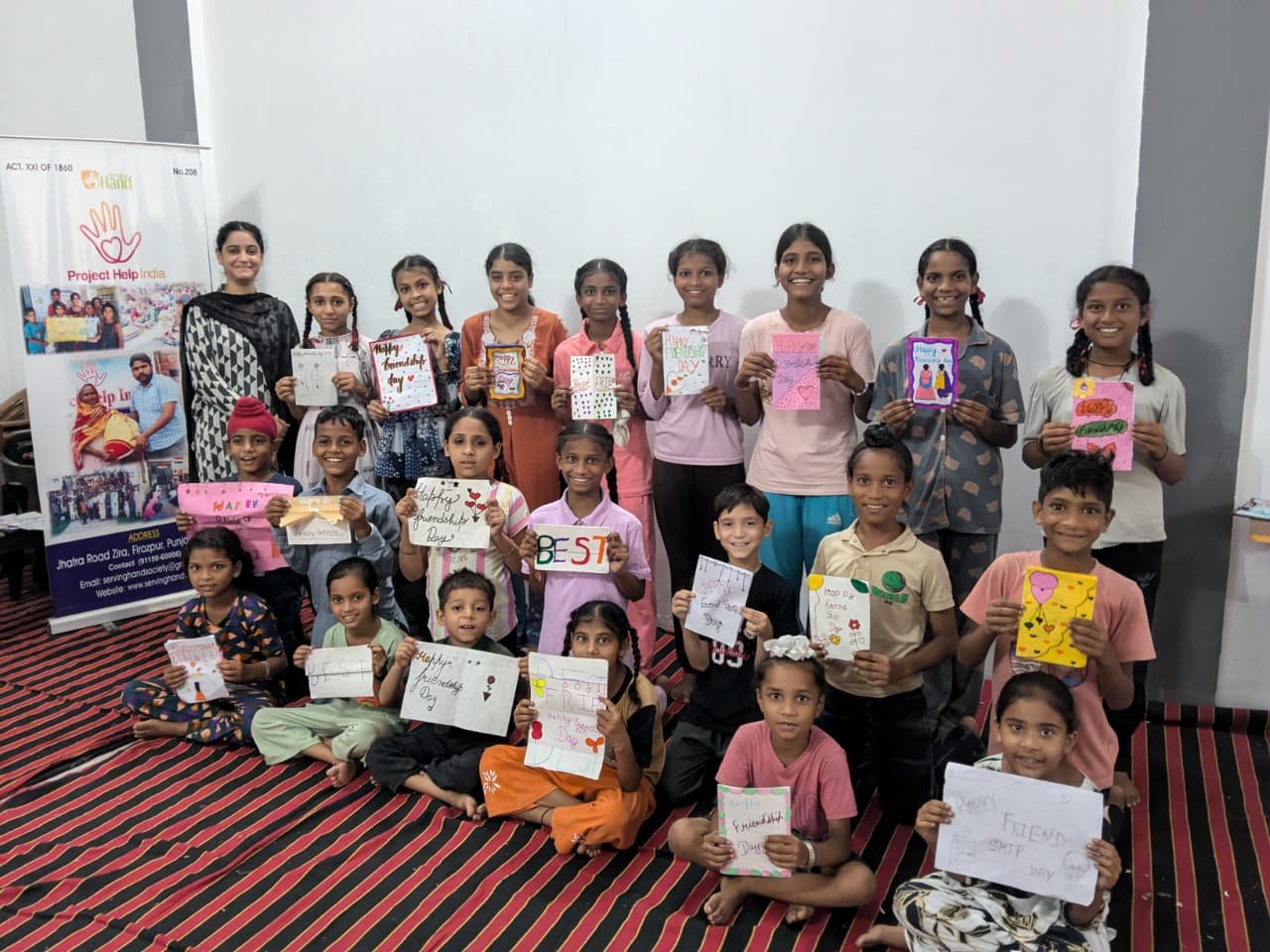
Across our centres, Mother’s Day has been celebrated with warmth, joy, and heartfelt emotion. The children lovingly created handmade greeting cards for their mothers, pouring their creativity and affection into every colour and message. Along with chocolates and sweet smiles, these gifts became powerful expressions of love.

For many mothers, the moment was deeply emotional. Seeing their children proudly present cards made with their own hands filled the rooms with happiness and tears of joy. Project Help India was also delighted to share small gifts with the mothers as a token of appreciation and respect.

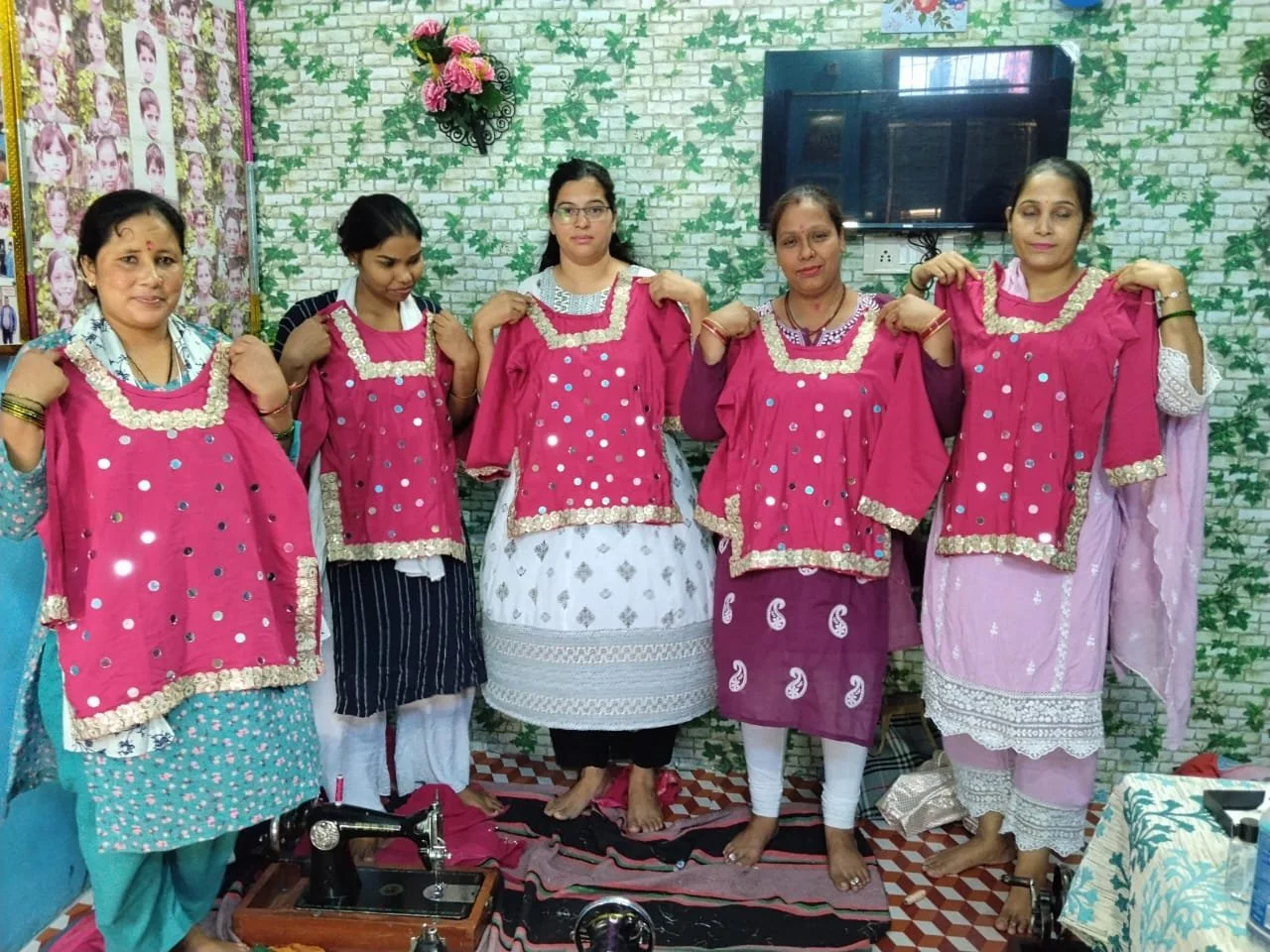
At our Disability Centre, mothers received special gifts — beautiful ladies’ suits (see image below) — offered as a gesture of encouragement and gratitude. The smiles on their faces reminded us how meaningful simple acts of care and recognition can be.

Many mothers shared that participating in these celebrations brought them peace, happiness, and a sense of belonging. These moments are a beautiful reminder that love, dignity, and appreciation can brighten lives and strengthen communities.

Today, and every day, we celebrate the women who nurture hope, guide the next generation, and inspire compassion through their everyday actions.

Happy Mother’s Day from all of us at Project Help India. Your love makes the world kinder, stronger, and more beautiful.

Showing up for Rishabh

A little boy’s accident - and how we stepped in when it mattered most

Sometimes, showing up means being there in a moment of sudden need.

Rishabh is just six years old and has been attending our Bijnor centre for the past six months. Like many children in our programs, he was beginning to find joy in learning and a sense of belonging.

Recently, Rishabh was involved in a serious road accident while crossing the street. He suffered a broken shoulder, injuries inside his mouth, and damage to his front teeth. Since then, he has struggled to eat and is in significant discomfort.

At home, the situation is difficult. His mother is deeply worried, with very limited financial means to support his treatment.

When we heard, we responded.

Project Help India was able to provide ₹20,000 (approximately $350 AUD) for immediate medical care - ensuring Rishabh could receive urgent treatment without delay.

However, his recovery will take time, and significant, costly further medical support will be needed.

For now, we simply ask that you keep Rishabh in your prayers.

Because sometimes, showing up means standing with a child and his family - ensuring they are not alone in their most difficult moments.