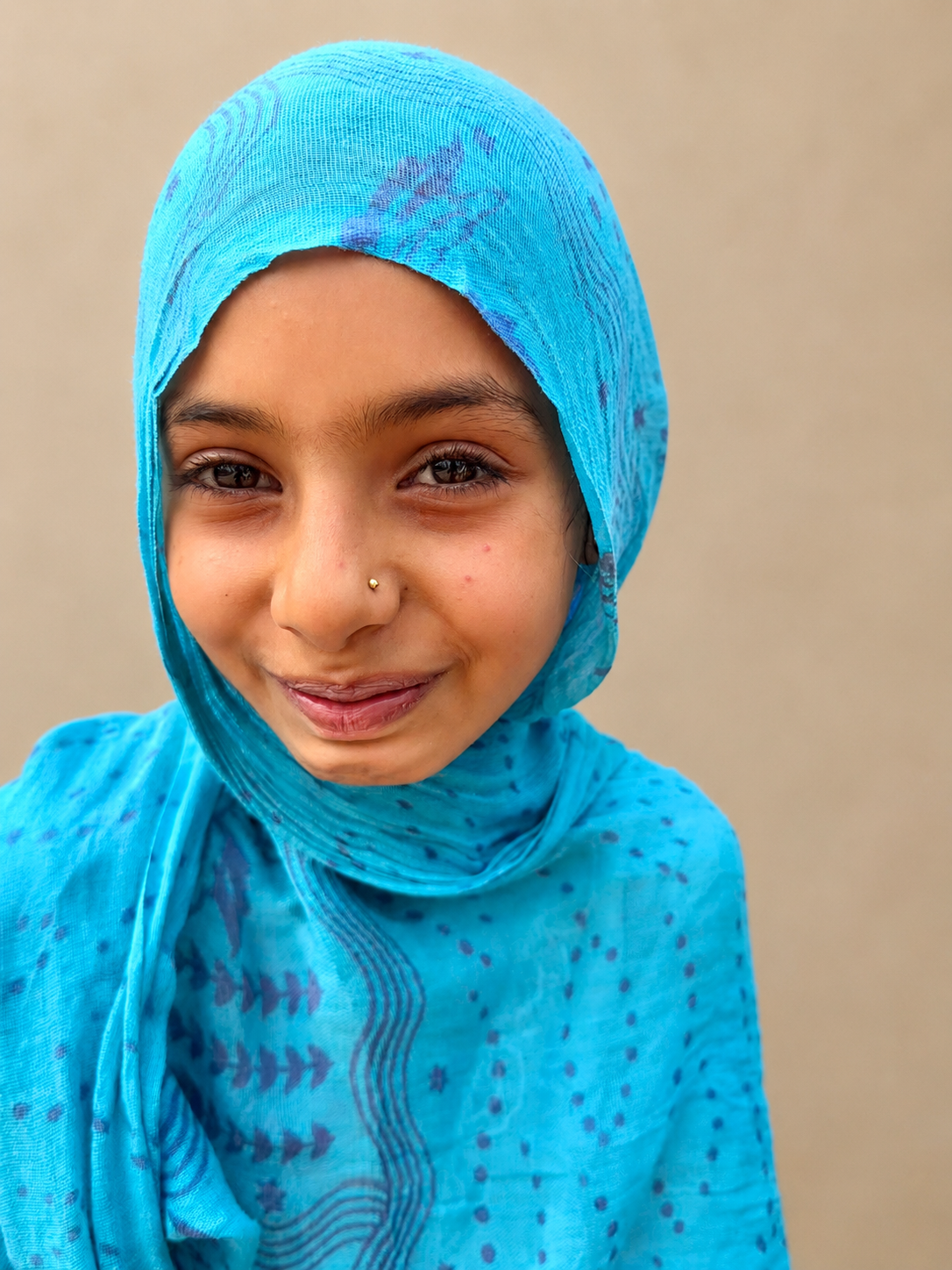
Every child deserves to be recognised—not only by name, but through the opportunities that identity can unlock. Behind every identity card is a child with dreams, potential, and the right to be seen.
"Who are you?"
It's a simple question that most of us answer without a second thought. Our name, our address, perhaps a driver's licence or passport. We rarely stop to consider that these documents quietly unlock many of the opportunities we take for granted.
But for millions of people living in vulnerable communities across India, proving who they are is not always so simple.
Without an Aadhaar card—India's national identity document—everyday opportunities can remain out of reach. Enrolling in school, accessing healthcare, receiving government support, opening a bank account, finding employment, or even proving where you live can become incredibly difficult.
An identity card is more than a piece of plastic.
It is recognition.
It is belonging.
It is dignity.
For the children and families we serve, helping someone obtain an Aadhaar card is often one of the first and most important steps towards building a brighter future.
Anshika's Story
Twelve-year-old Anshika lives with her parents and siblings in a rural farming community in northern India. Like many families living in poverty, daily life has never been easy. Her parents work hard in the fields, but limited income and difficult family circumstances have made life uncertain.
Anshika loved learning.
Yet after completing Year 5, her education came to an abrupt stop.
She couldn't enrol in school because she didn't have an Aadhaar card.
Instead of sitting in a classroom with her friends, Anshika began working alongside her mother in the fields.
When Project Help India opened a free learning centre in her village, everything began to change.
Our team got to know Anshika and discovered why she was no longer attending school. Rather than accepting this as simply "the way things are," they began working alongside her parents, helping them understand the importance of obtaining an Aadhaar card and guiding them through the process.
After many conversations, Anshika's father agreed.
For the first time, the door to formal education was opening once again.
Her mother later shared that Anshika's older sister had also been unable to attend school because she too did not have an Aadhaar card. Today, all three daughters attend Project Help India's learning centre, giving them opportunities that once seemed beyond reach.
Sometimes, transformation begins with something as simple as helping a family complete the right paperwork.
Advocacy That Restores Dignity
Many of the families we work alongside are living in remote villages or informal settlements. Some cannot read or write. Others have never navigated government systems before. Some are fearful of engaging with authorities, while others simply don't know where to begin.
Obtaining an Aadhaar card can be a complicated process without guidance.
That's why advocacy has become an important part of Project Help India's work.
Our team regularly holds community awareness programs and advocacy camps, helping families complete forms, understand the process, and connect with government services. We are grateful for the strong support we receive from local police, municipal authorities, and government officials, who often work alongside us to help ensure vulnerable families can access the identification they need.
For us, advocacy is about more than paperwork.
It is about helping people gain access to education, healthcare, employment, and opportunities that many of us consider ordinary.
It is about restoring dignity.
Looking Ahead
At Project Help India, we believe every child deserves the opportunity to learn, grow, and dream about their future.
Sometimes, protecting that future begins with something as simple as helping a family obtain an identity card.
Over the coming weeks, we'll continue sharing stories about advocacy and why this work is so important—not only in helping children access education, but also in protecting vulnerable families and strengthening communities.
Because every child deserves to be seen.
Every family deserves to belong.
And every person deserves the dignity that comes with having an identity.Over the coming weeks, we'll continue sharing stories of advocacy and child protection as we prepare to release our new Child Advocacy & Anti-Human Trafficking booklet for World Day Against Trafficking in Persons on 30 July. We invite you to follow this series and discover how advocacy is helping restore dignity, protect children, and strengthen communities across northern India.