Reflections on our Recent Trip

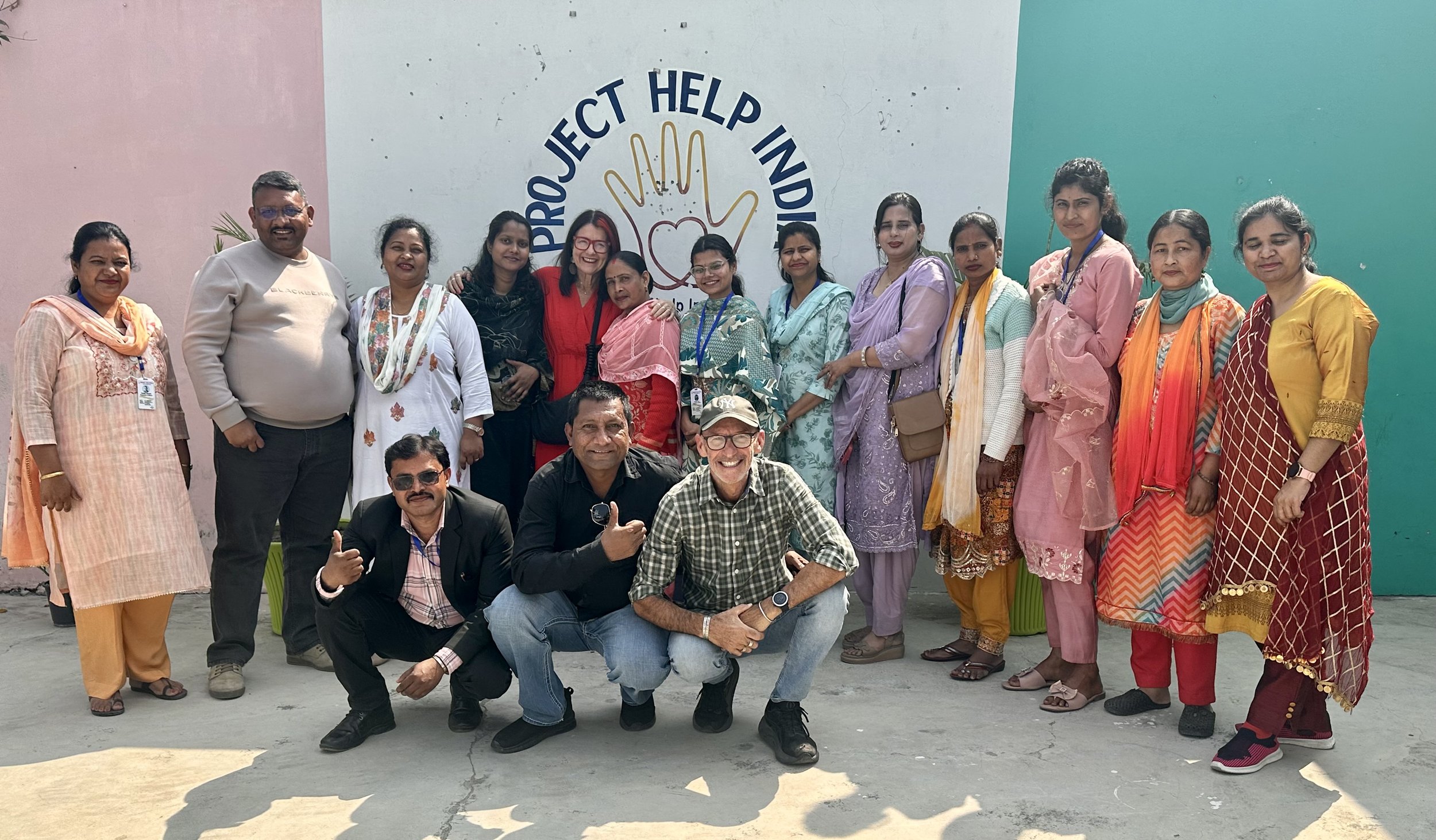
We’ve just returned from three weeks in India—and we’re still carrying it with us.

It’s hard to describe what these trips are really like. They are full in every sense—physically, emotionally, relationally. We came home exhausted by the pace and intensity, but deeply grateful for what we experienced.

There were so many highs.

Time spent with people we love. Sitting in homes of families we’ve known for years—some who once survived by begging on the streets, and some who still continue to only just survive by begging on the streets. Being welcomed again, not as visitors, but as friends.

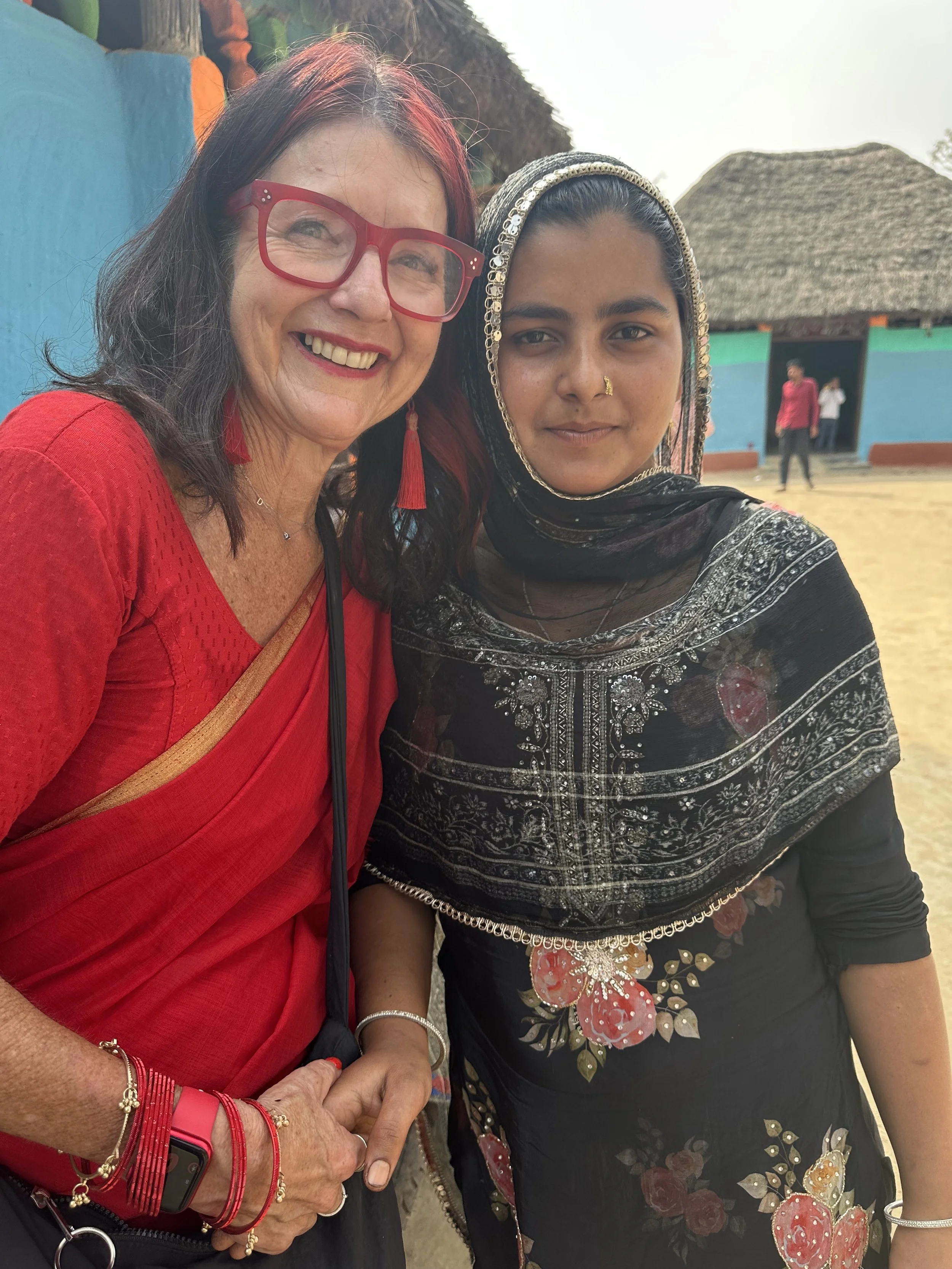
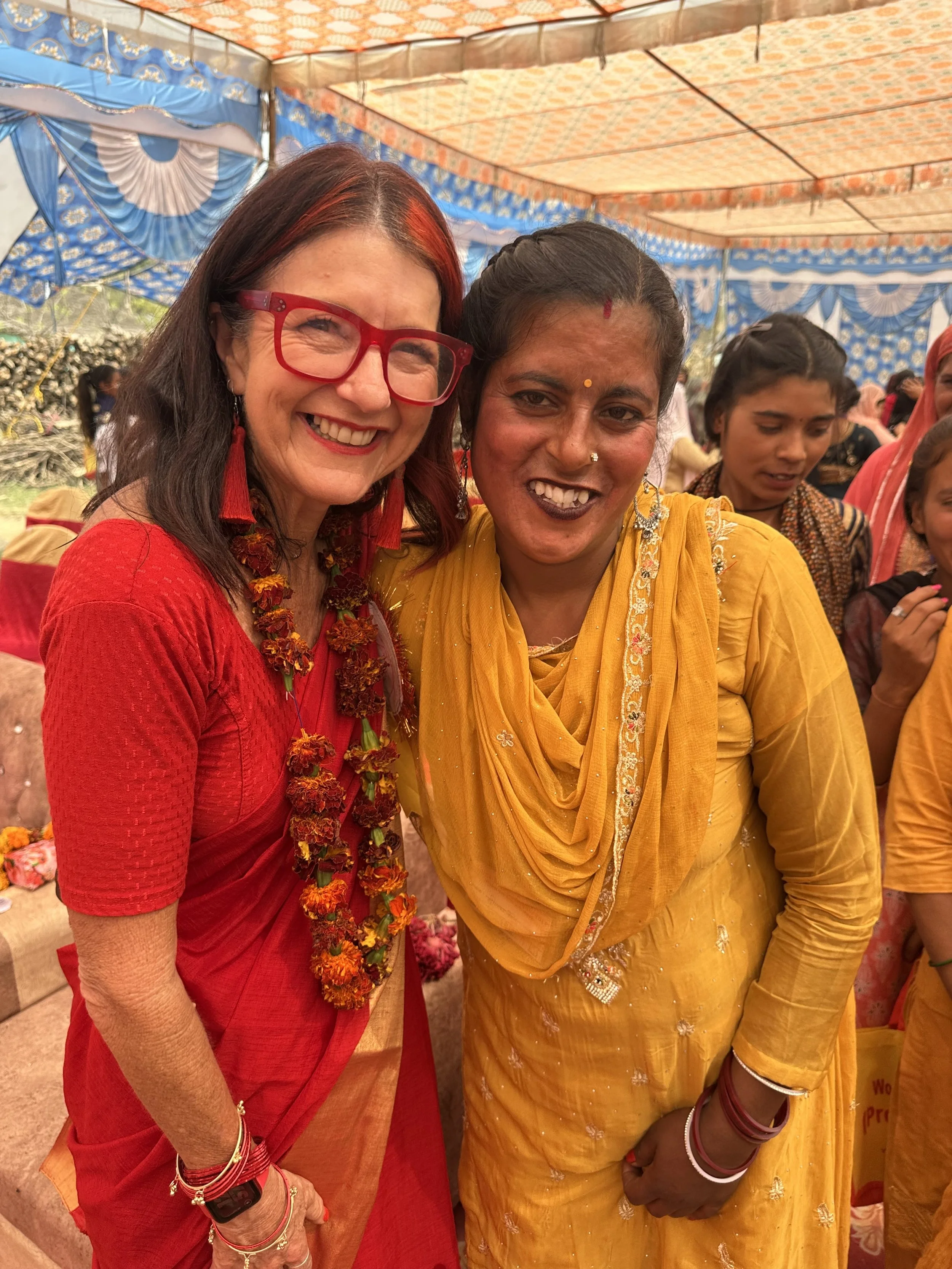
There is something deeply grounding about those moments. Sharing a chat in a combination of broken English, Hindi and hand gestures. Sitting close together. Listening to their family news. Laughing. These relationships have been built slowly, over many years, and they are at the heart of everything we do.

Returning to Punjab

Our journey began in Punjab, where we visited each of our six centres.

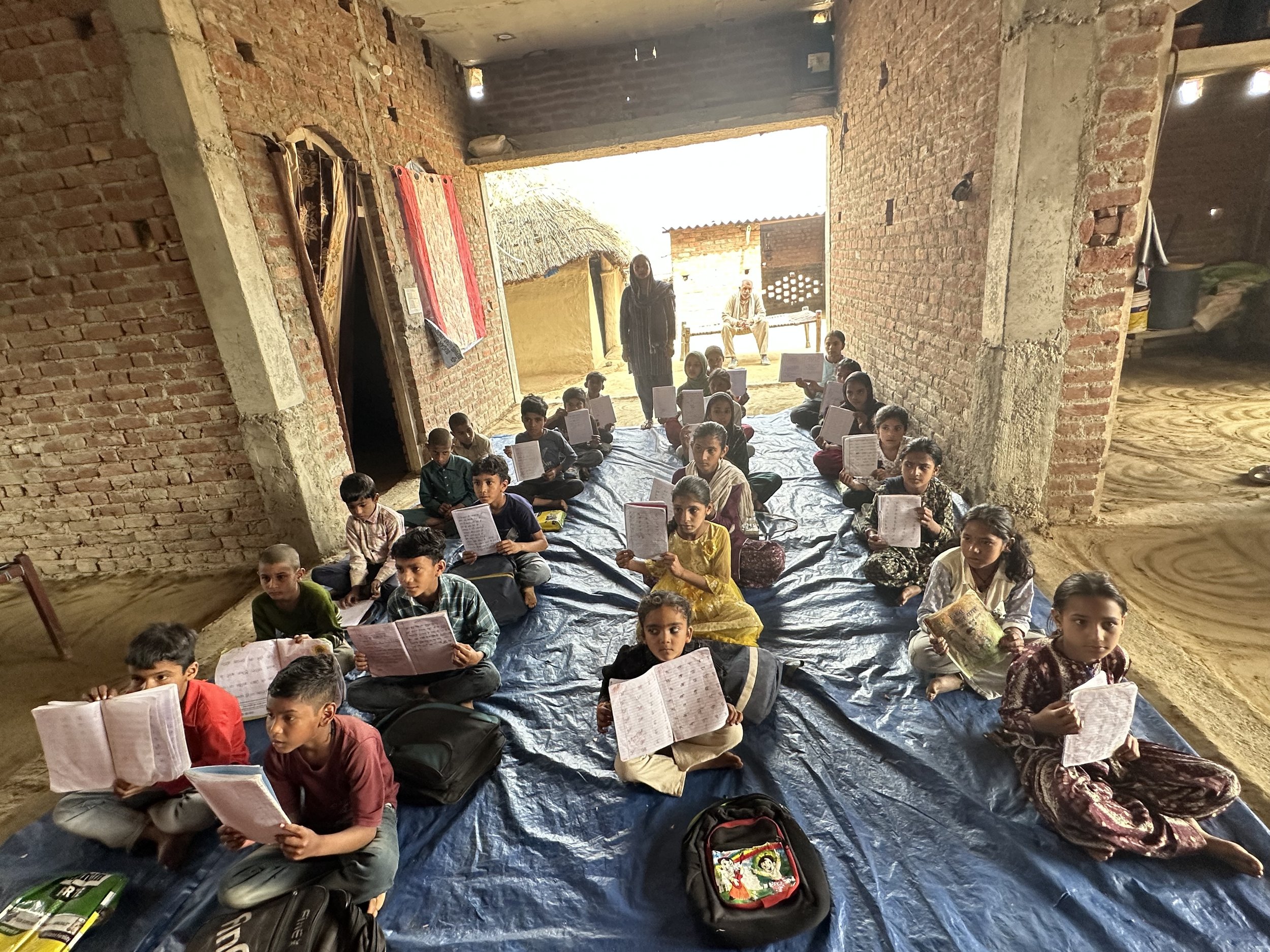
There is always encouragement in seeing children learning, growing, and turning up each day with energy and joy.

We also had the privilege of launching a new Women’s Tailoring Centre. It’s simple, but significant—creating opportunity, dignity, and independence for women who have had very few options.

But alongside this progress, there were also sobering reminders.

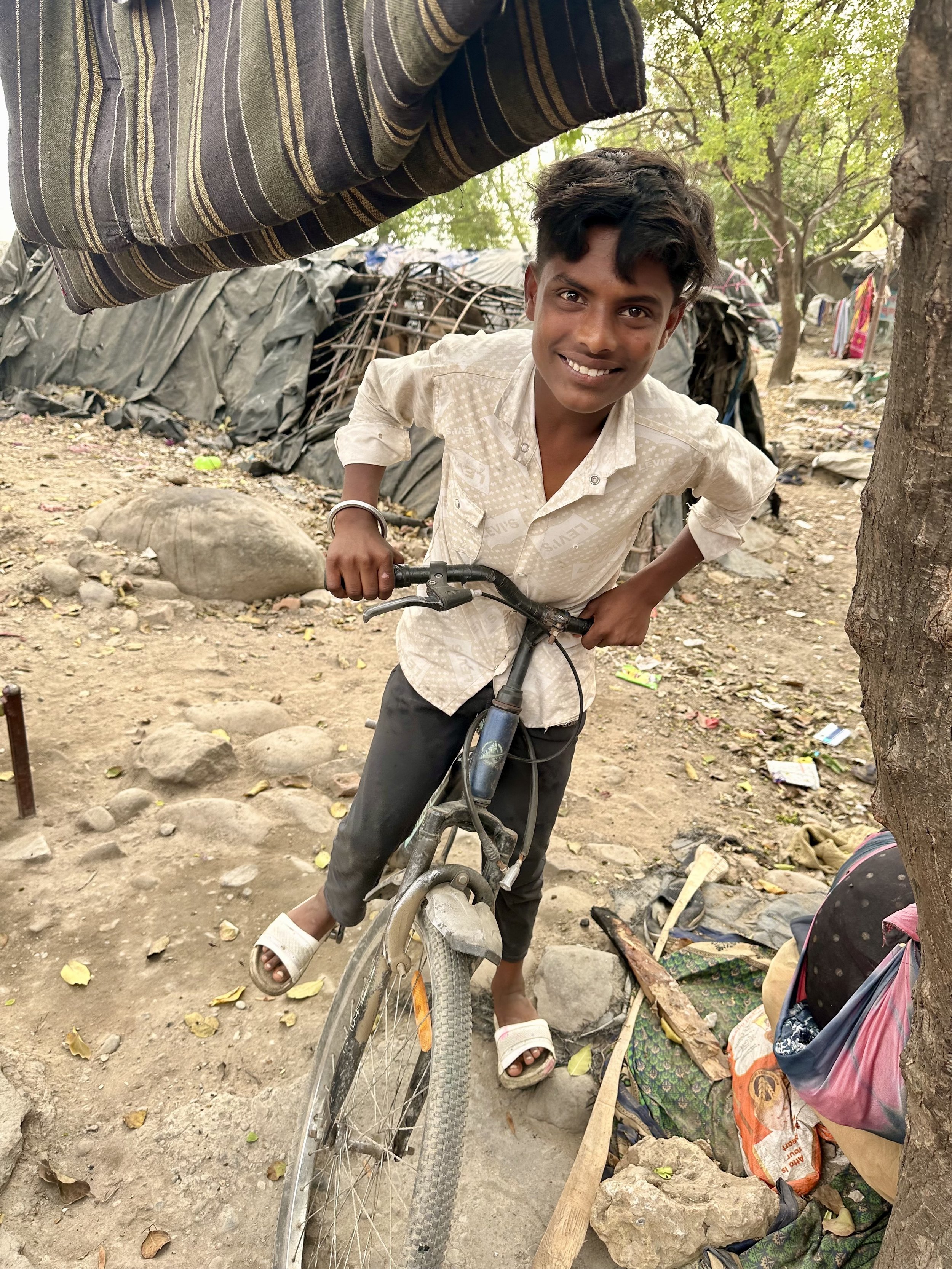
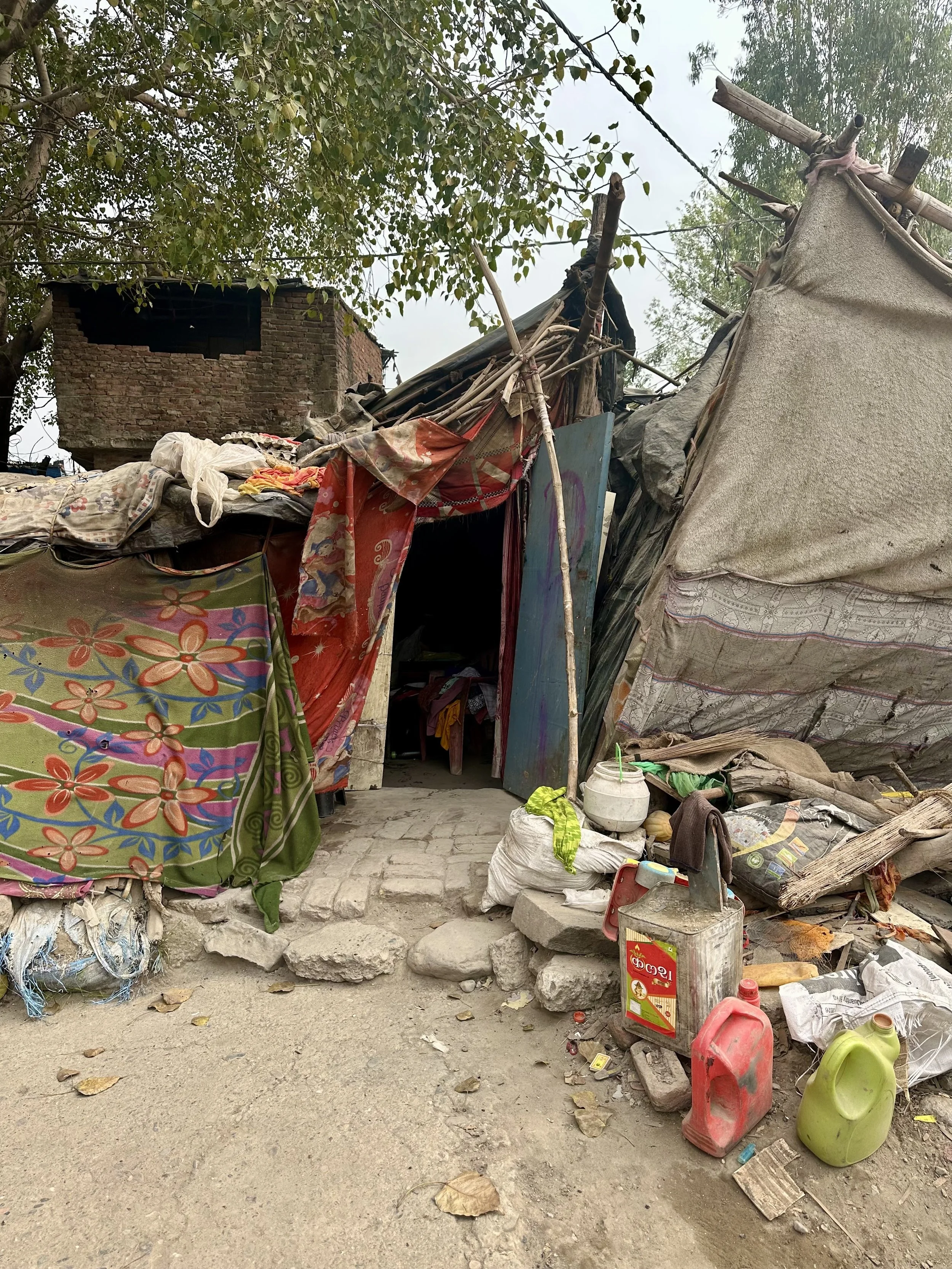
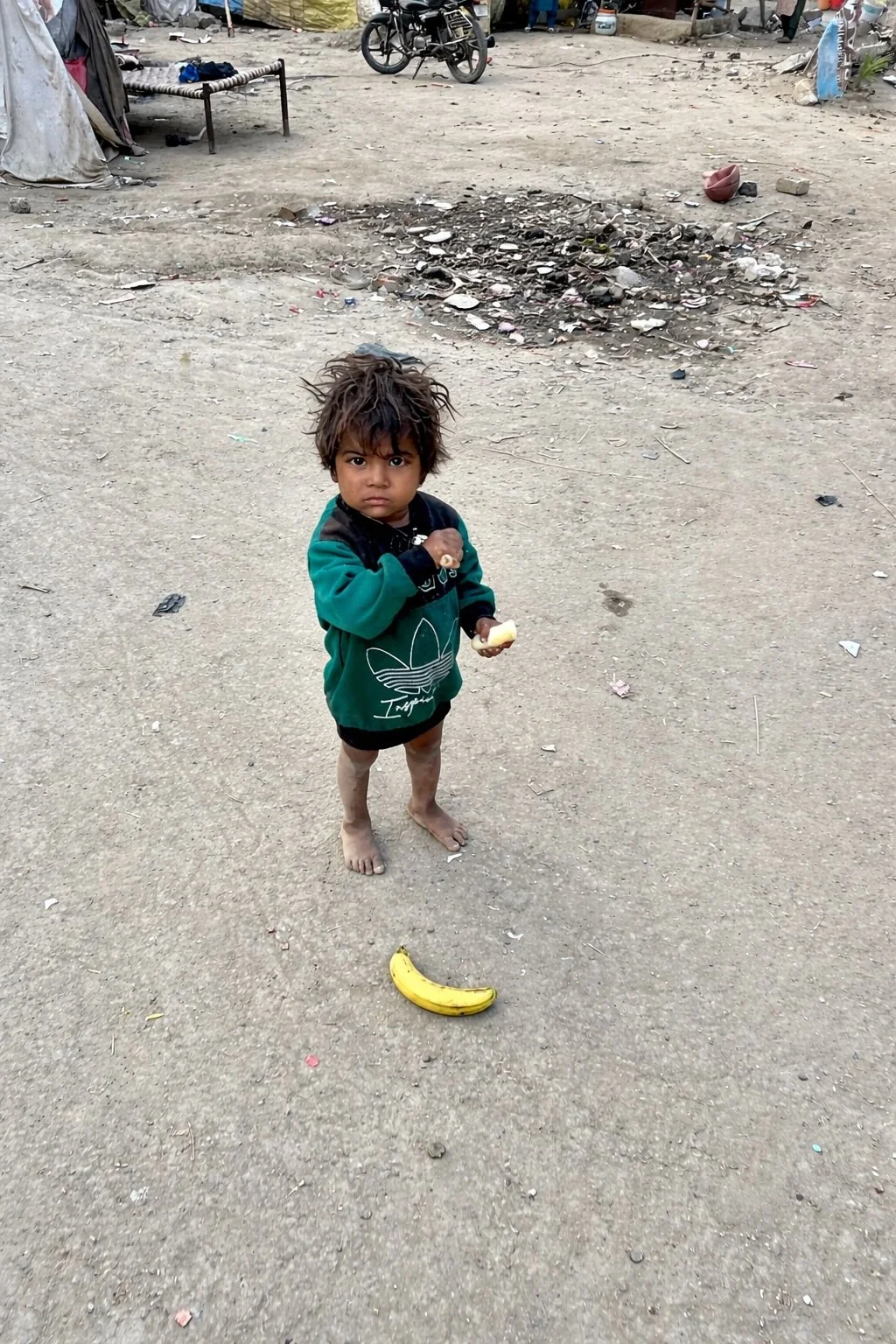
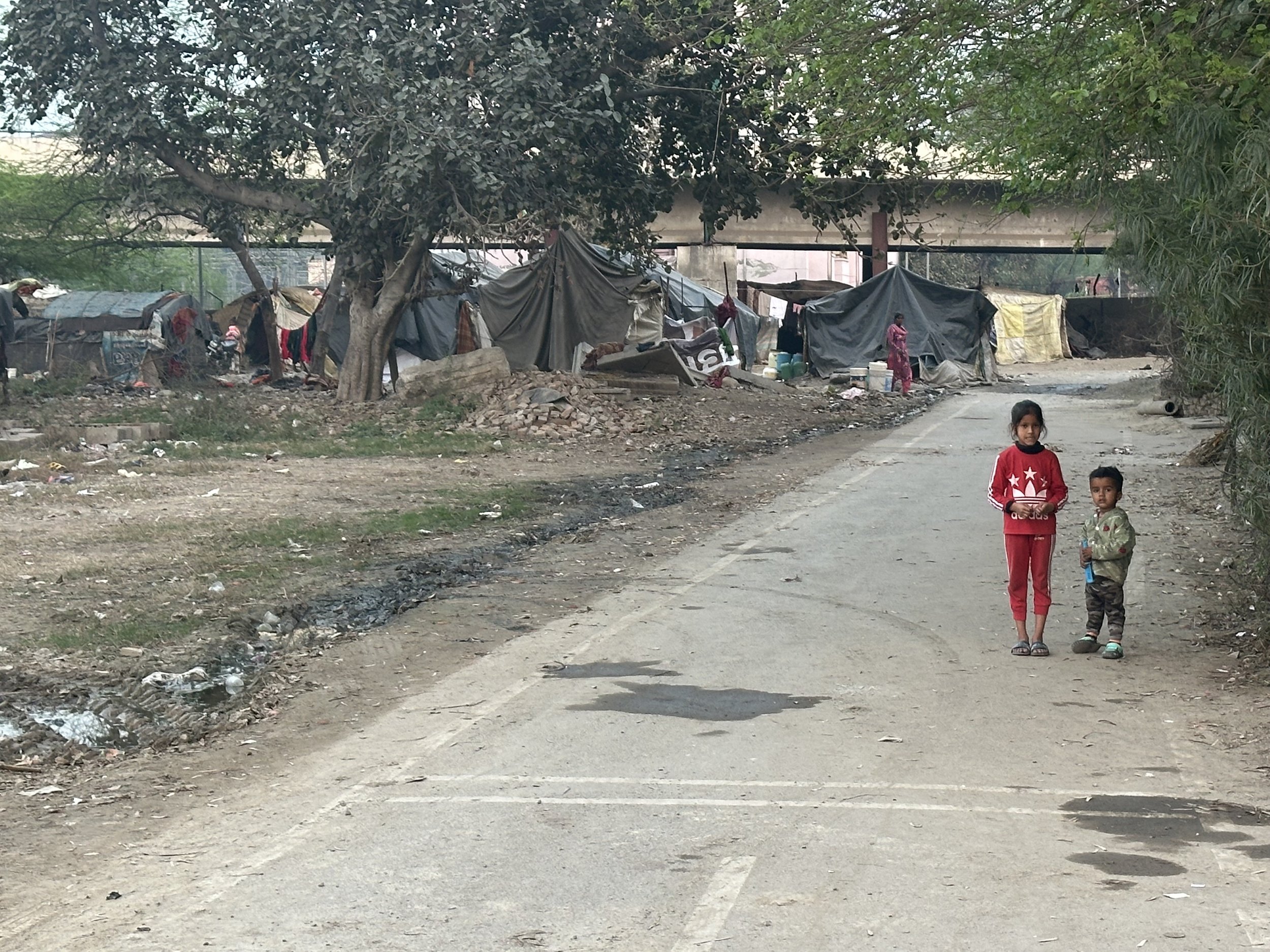
Walking through one of the slum communities again, we were confronted by the harshness of daily life. Conditions that are difficult to explain, and even harder to fully comprehend unless you’ve been there.

And yet, in the middle of this, we felt incredibly grateful.

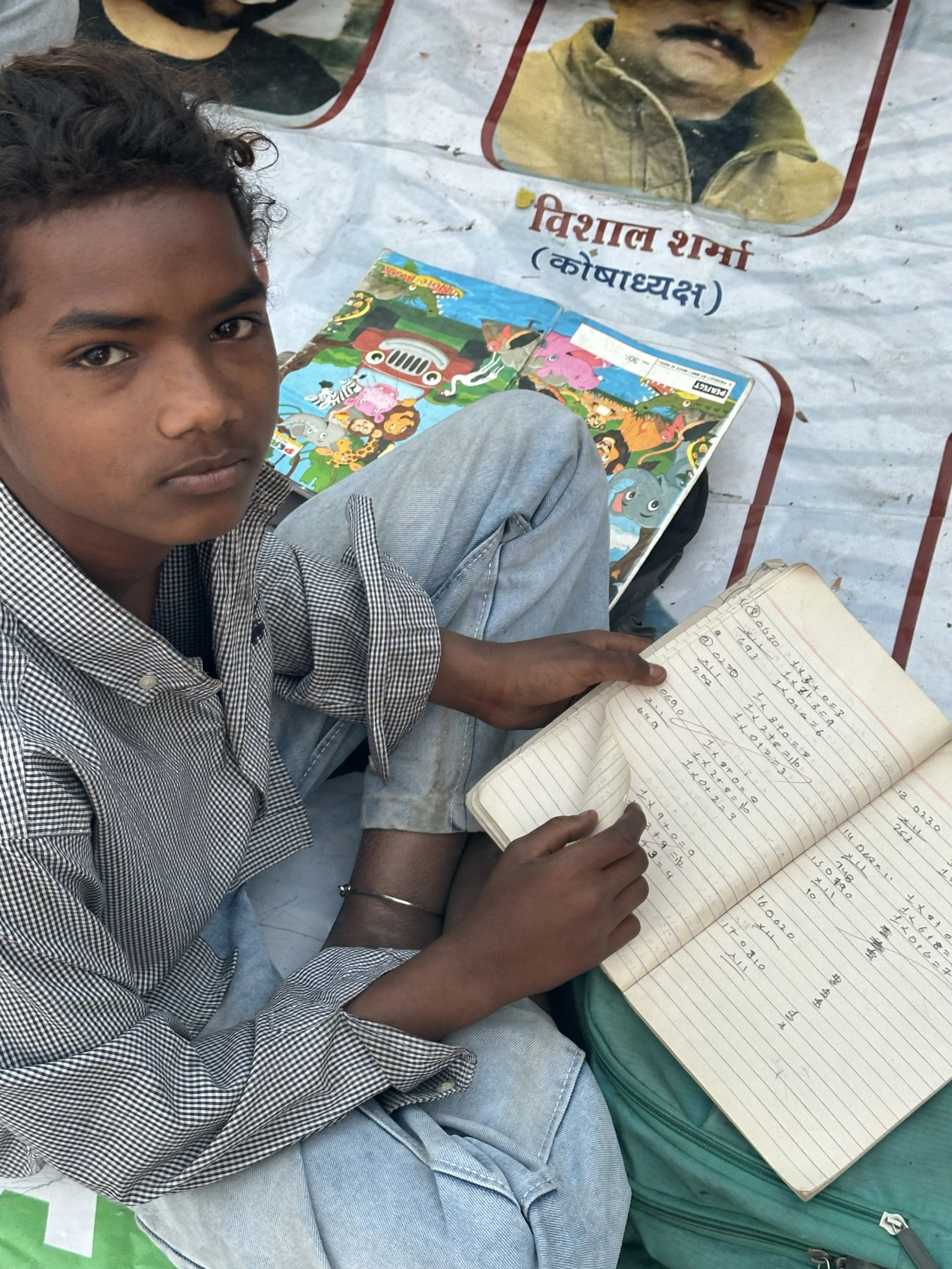
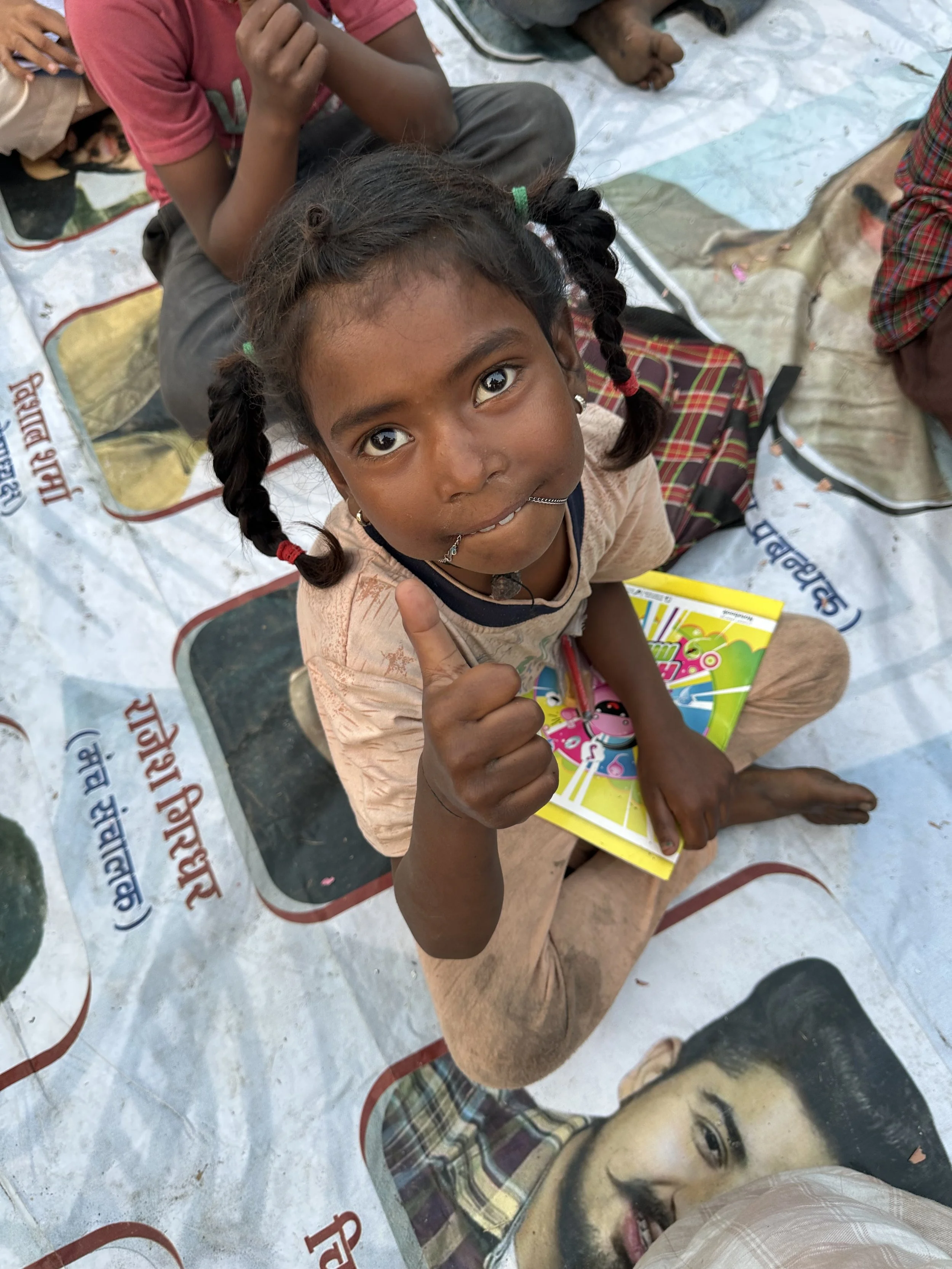
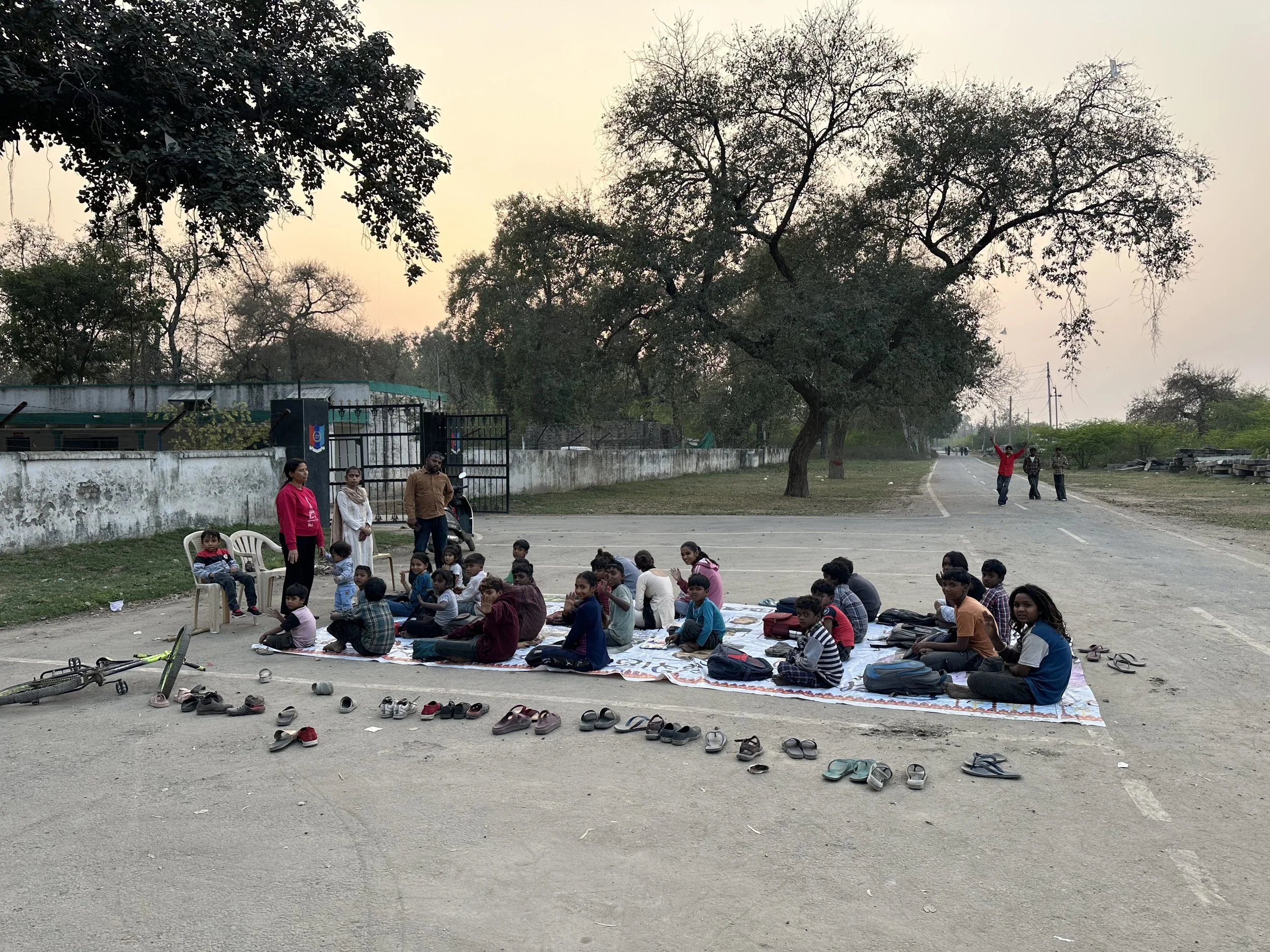
Grateful for the opportunity to have established a small school here—literally on tarps by the side of the road. Grateful to be teaching children who are eager to attend, who show up ready to learn, soaking up every moment, devouring the opportunity in front of them. In a place that offers so little, these children are given something deeply important—love, safety, and moments of joy each day.
Moments you don’t expect

In Kotdwara and Bijnor, where we have 8 centres and a Women’s Tailoring Centre, we experienced something we’ll never forget. A group of older students, now aged 16 and above, came specifically to find us.

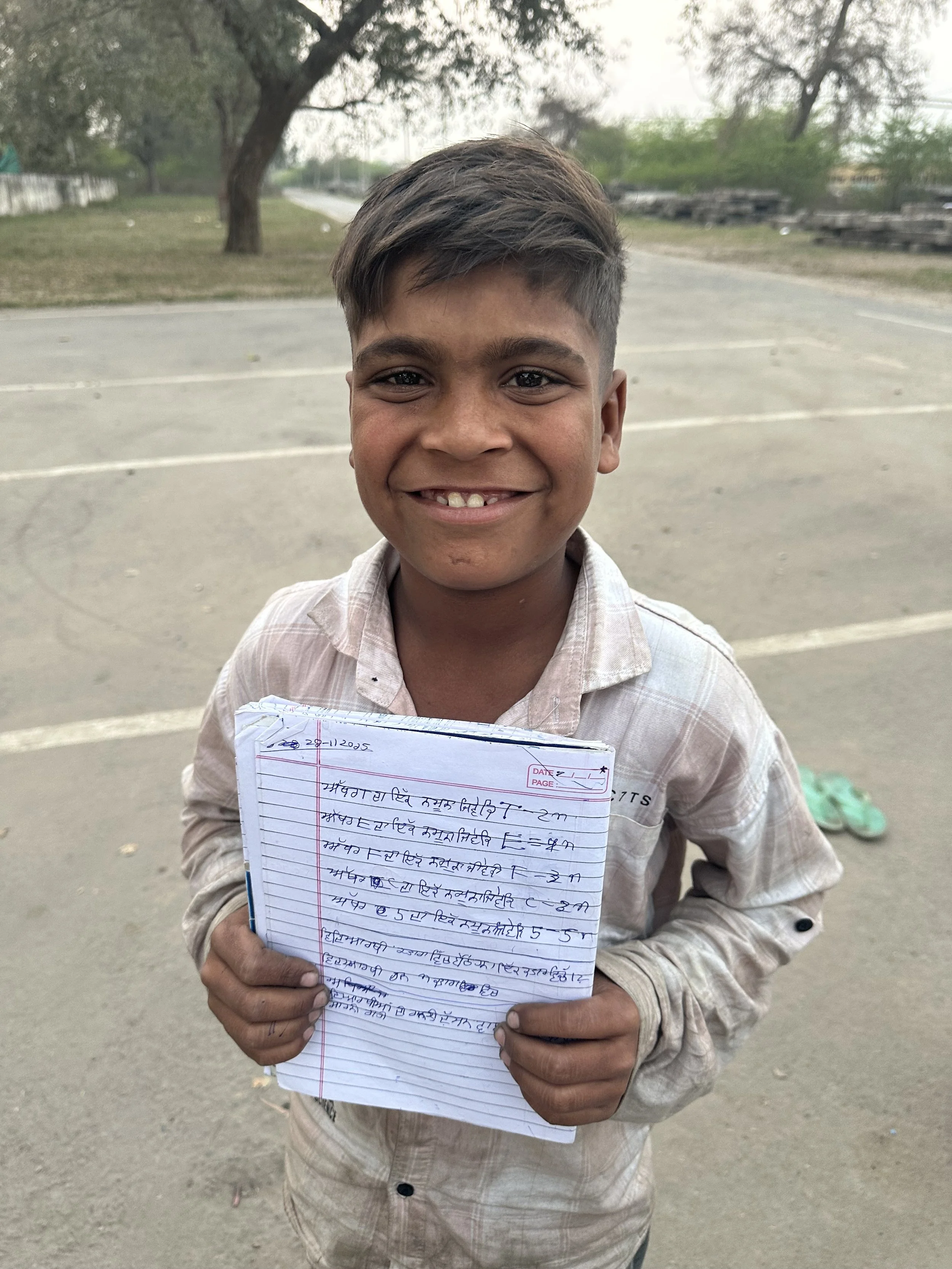
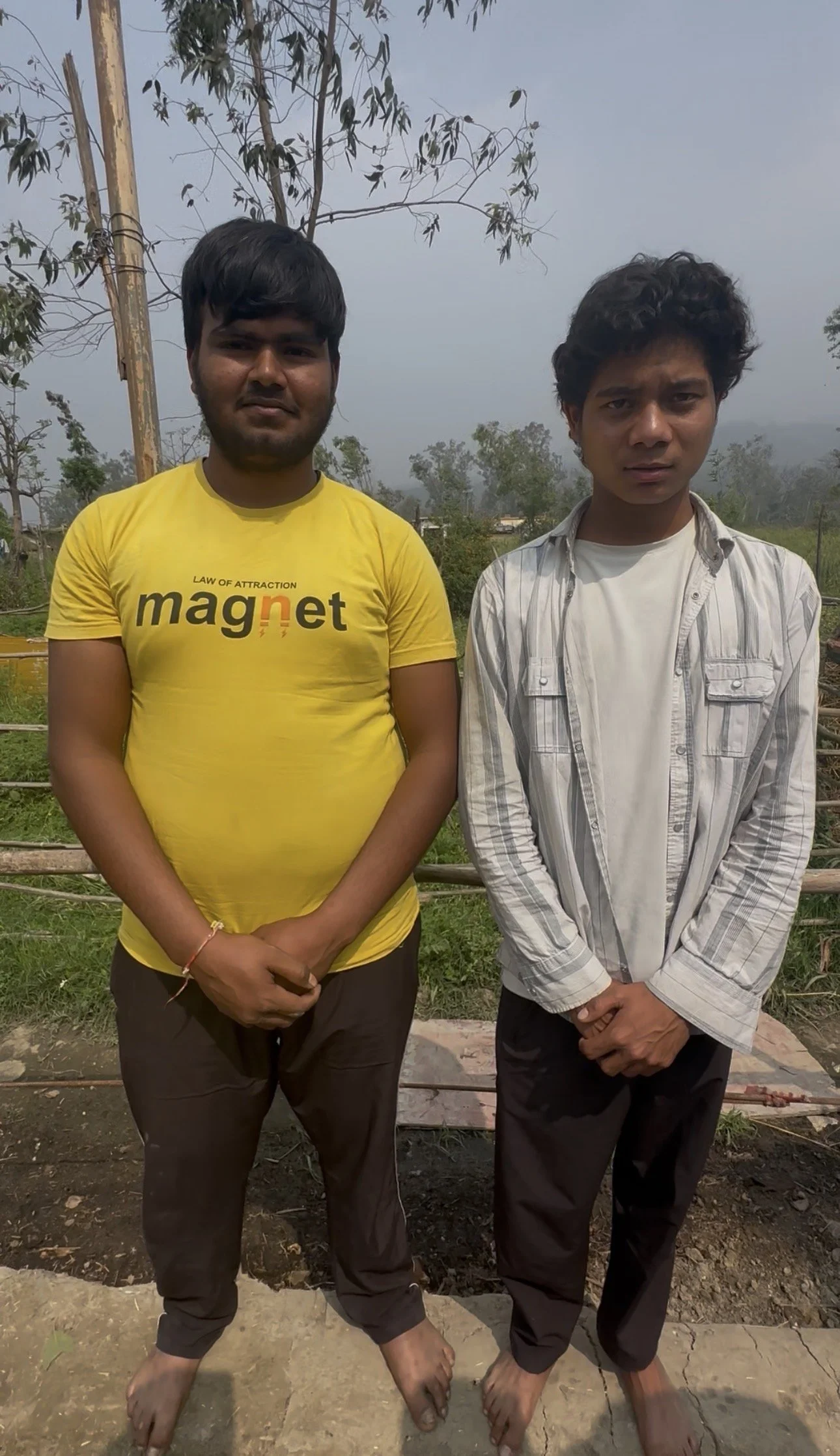
These are children who started attending our centres when they were just four years old. Now, they are stepping into adulthood. Some have jobs. Some, like Bobby and Shiv, are attending university.

They didn’t come because they had to. They came to say thank you. To spend time. To reconnect.

One even asked if we could do the hokey pokey again. And so we did (we did the hokey pokey 15 times across our trip - it was exhausting). It was joyful, slightly ridiculous, and incredibly meaningful. A moment that captured years of investment, relationship, and growth.

This is what long-term impact looks like.
New beginnings

We also travelled to one of our newest centres in a remote village.

It reminded us of how every centre begins.

Very basic conditions. Limited resources. Children with little or no literacy. Almost no access to education otherwise.

And yet, there is openness. A willingness to learn. A community that is grateful and hopeful.

It’s both challenging and inspiring—to see the starting point, and to know what is possible over time.

The SHINE Women’s Conference

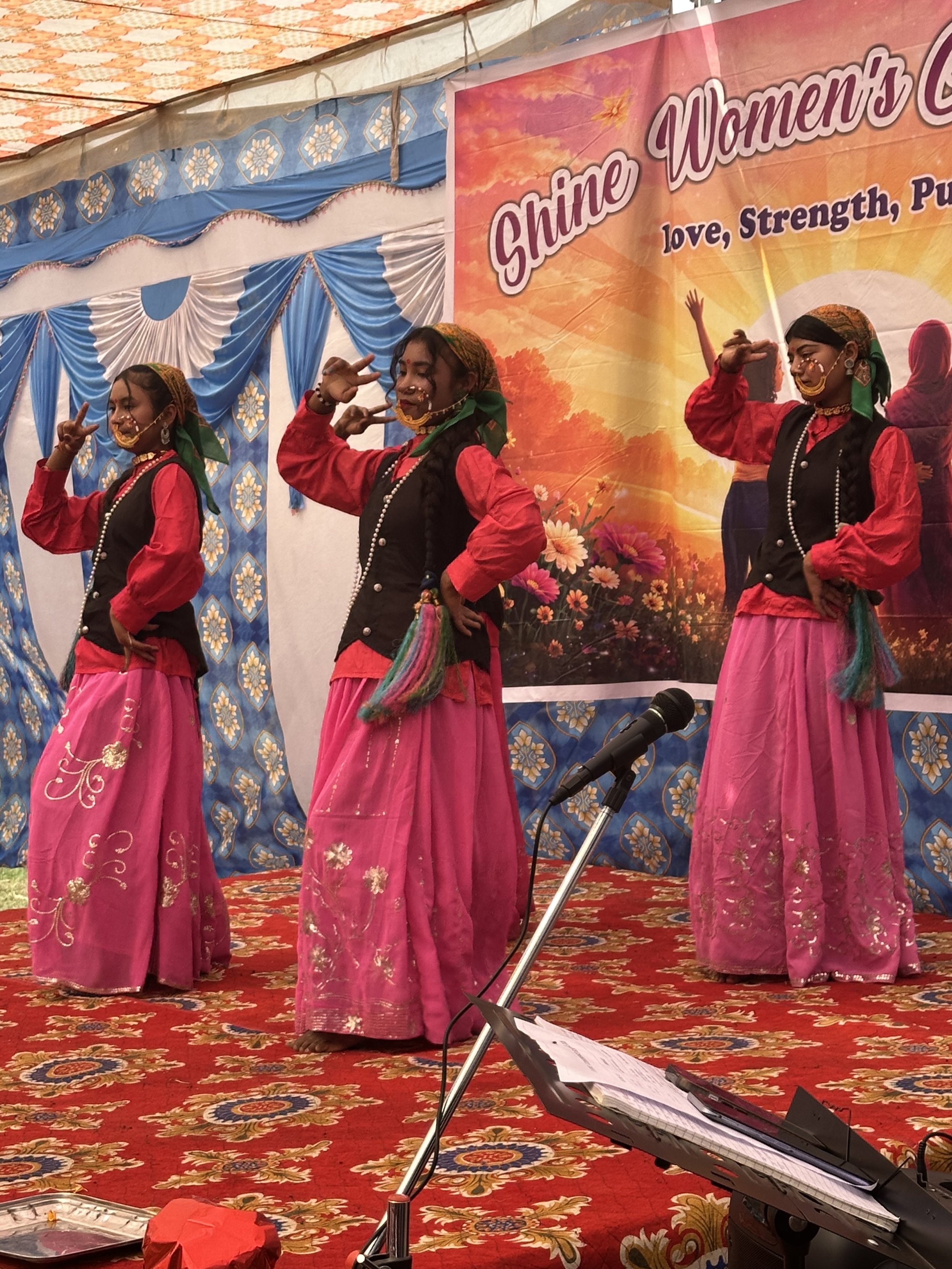
One of the standout moments of the trip was the SHINE Women’s Conference.

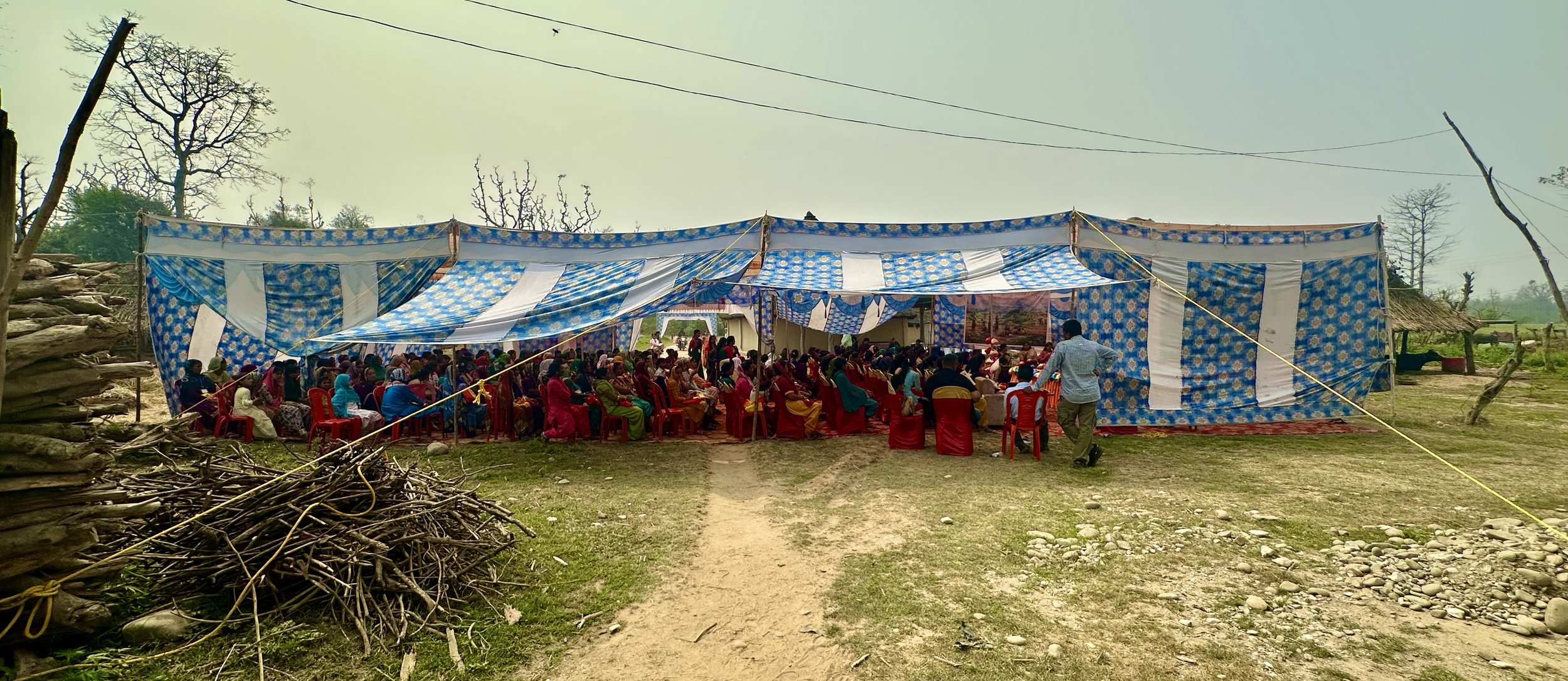
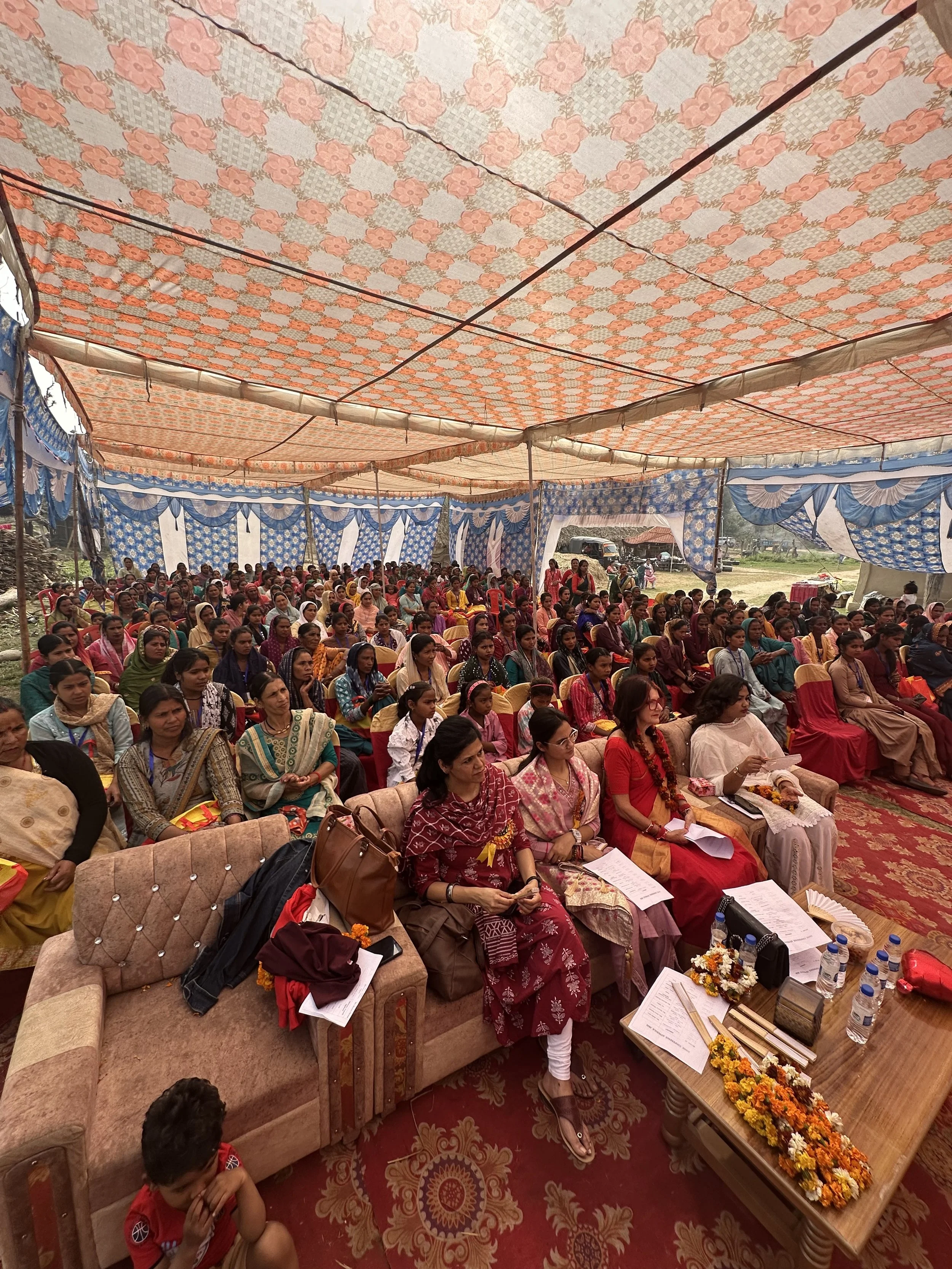
Around 400 women gathered in what can only be described as a jungle village.

Many of these women have never been to school.

And yet, they came -eager to learn, to connect, to belong and to be encouraged. There was laughter. There were tears. There was joy. It was vibrant, powerful, and deeply moving.

What struck us most was the contrast.

Ten years ago, when we first began working in this community, there was strong resistance to education—especially for women and children. Now, this same community is embracing it.

That kind of transformation doesn’t happen quickly. It takes time, trust, and consistency. But it is happening.

Unexpected moments of wonder

In the midst of everything, we also had a moment that felt almost surreal.

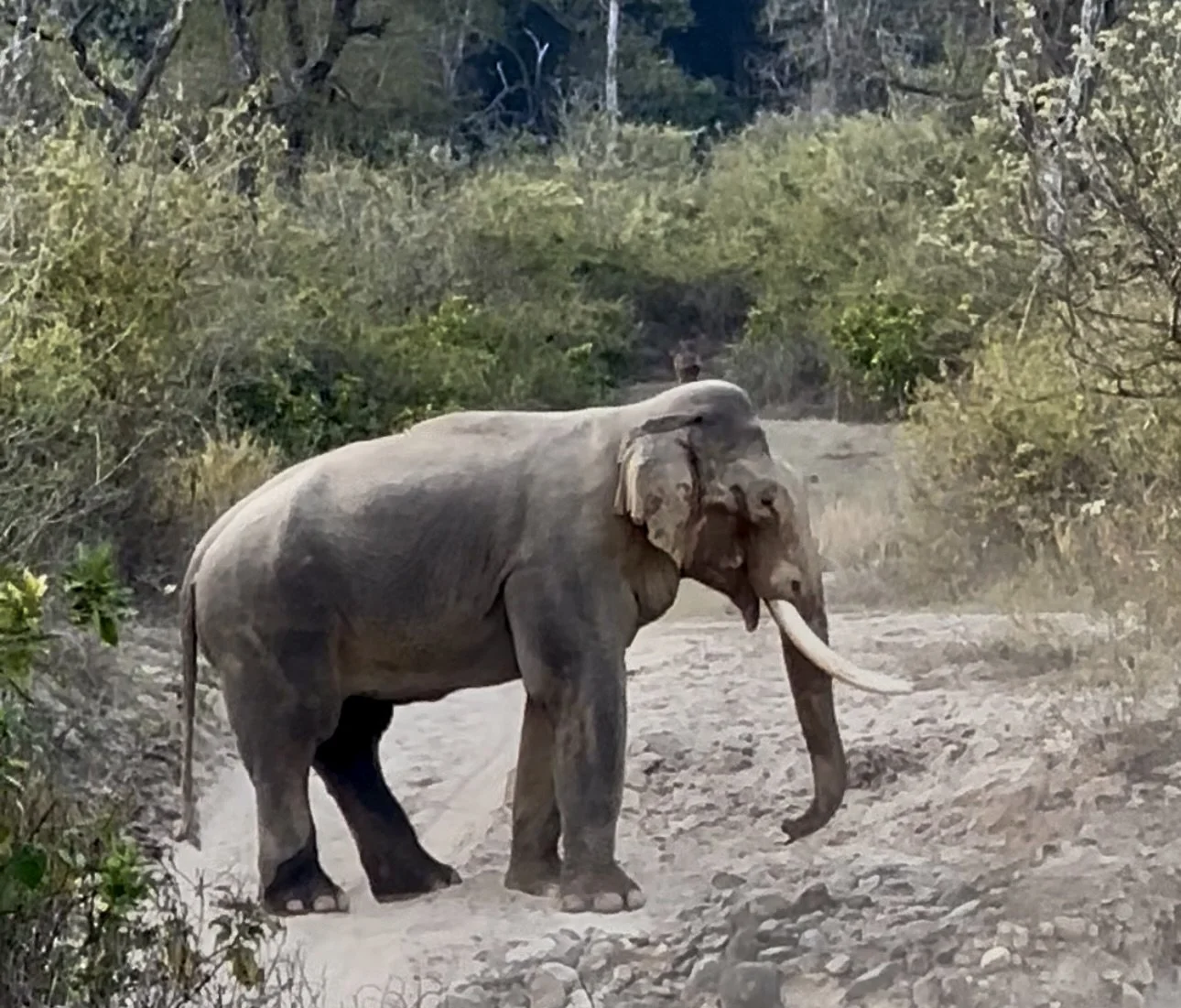
A jungle safari. And not just any safari -we found ourselves a little too close to wild elephants. It was one of those moments where time slows down slightly. A mix of awe, excitement, and just a hint of fear.

India has a way of holding all of this together, the beauty, the chaos, the intensity, the unexpected.

Celebrating life

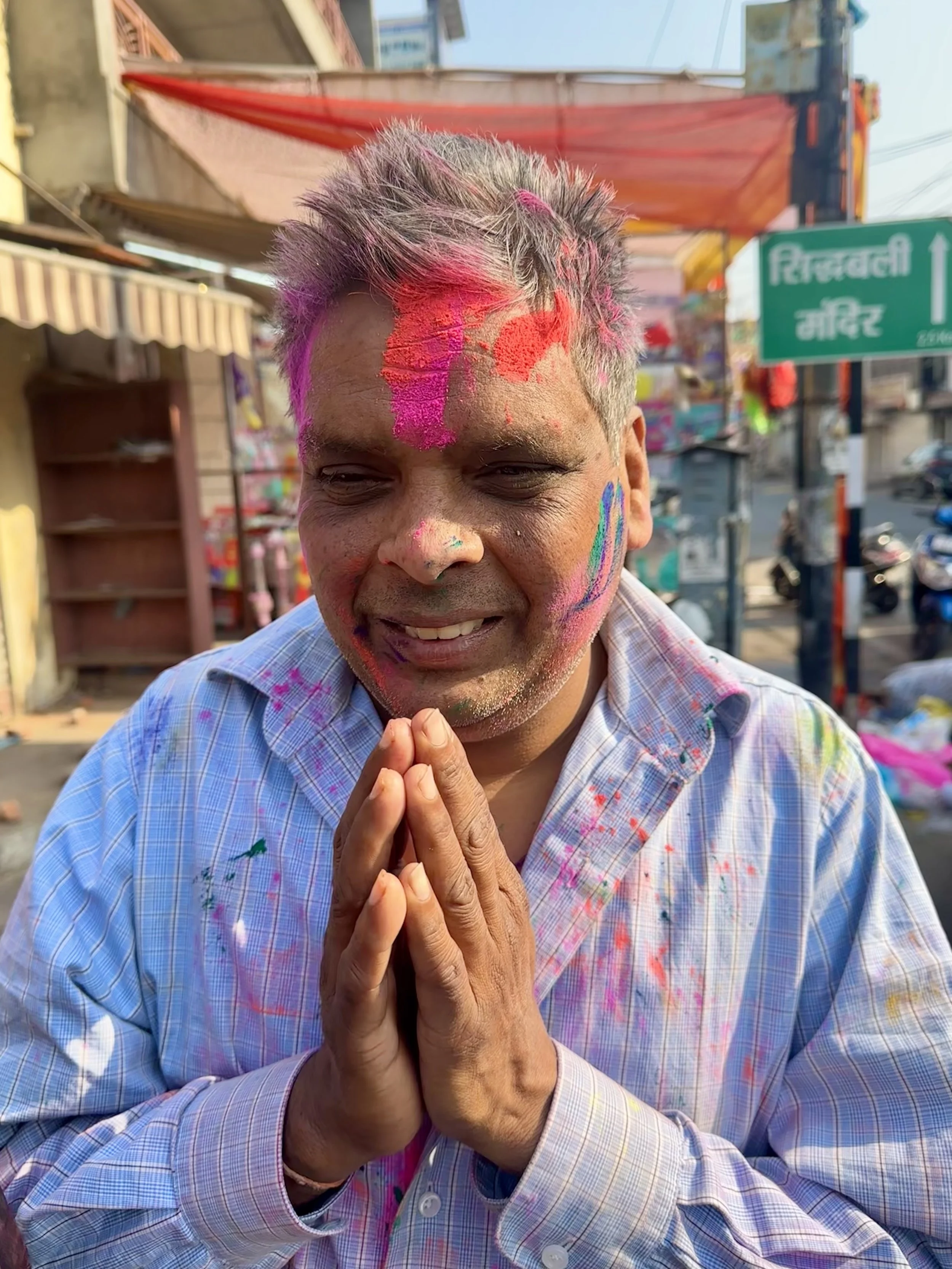
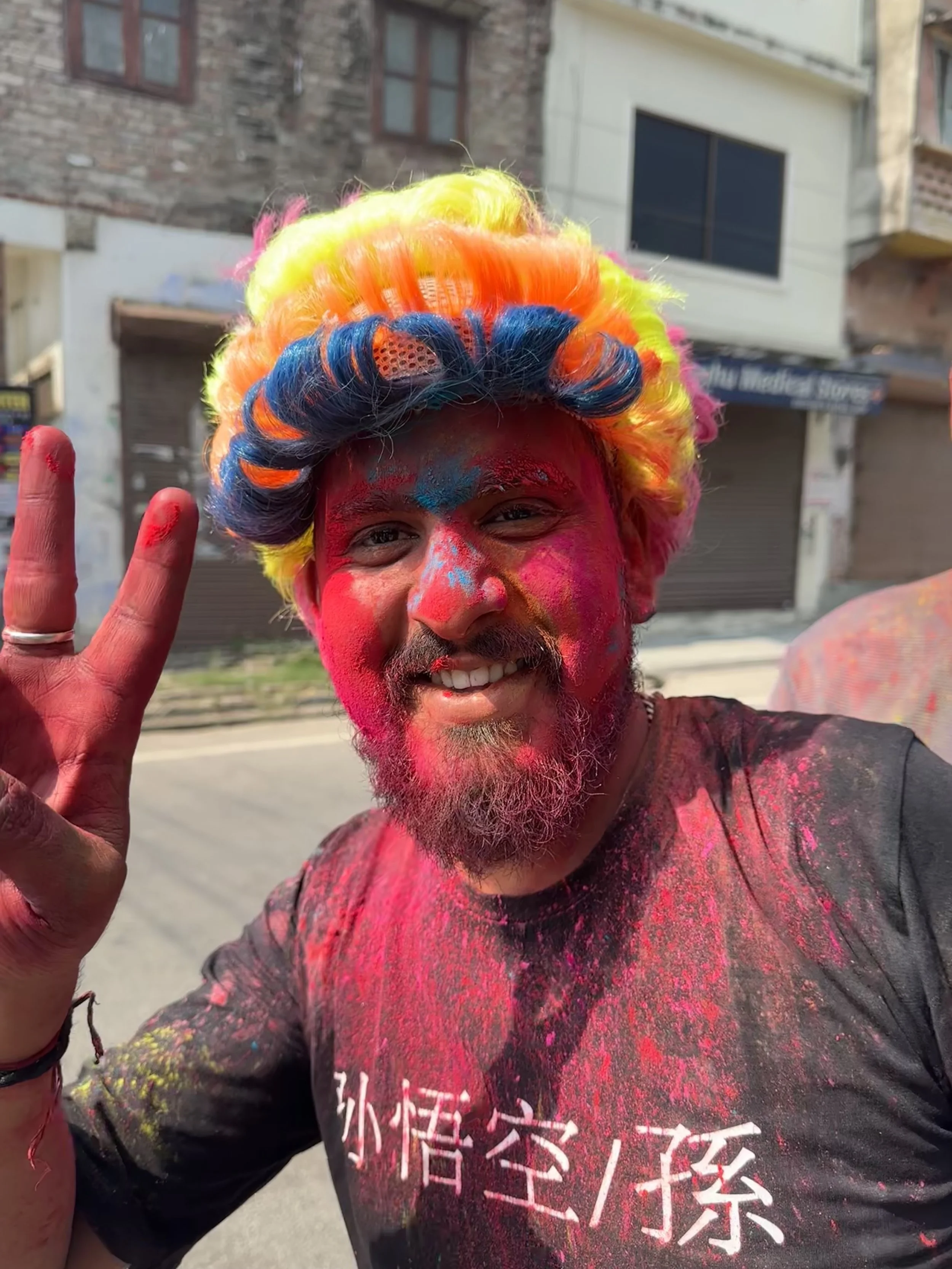
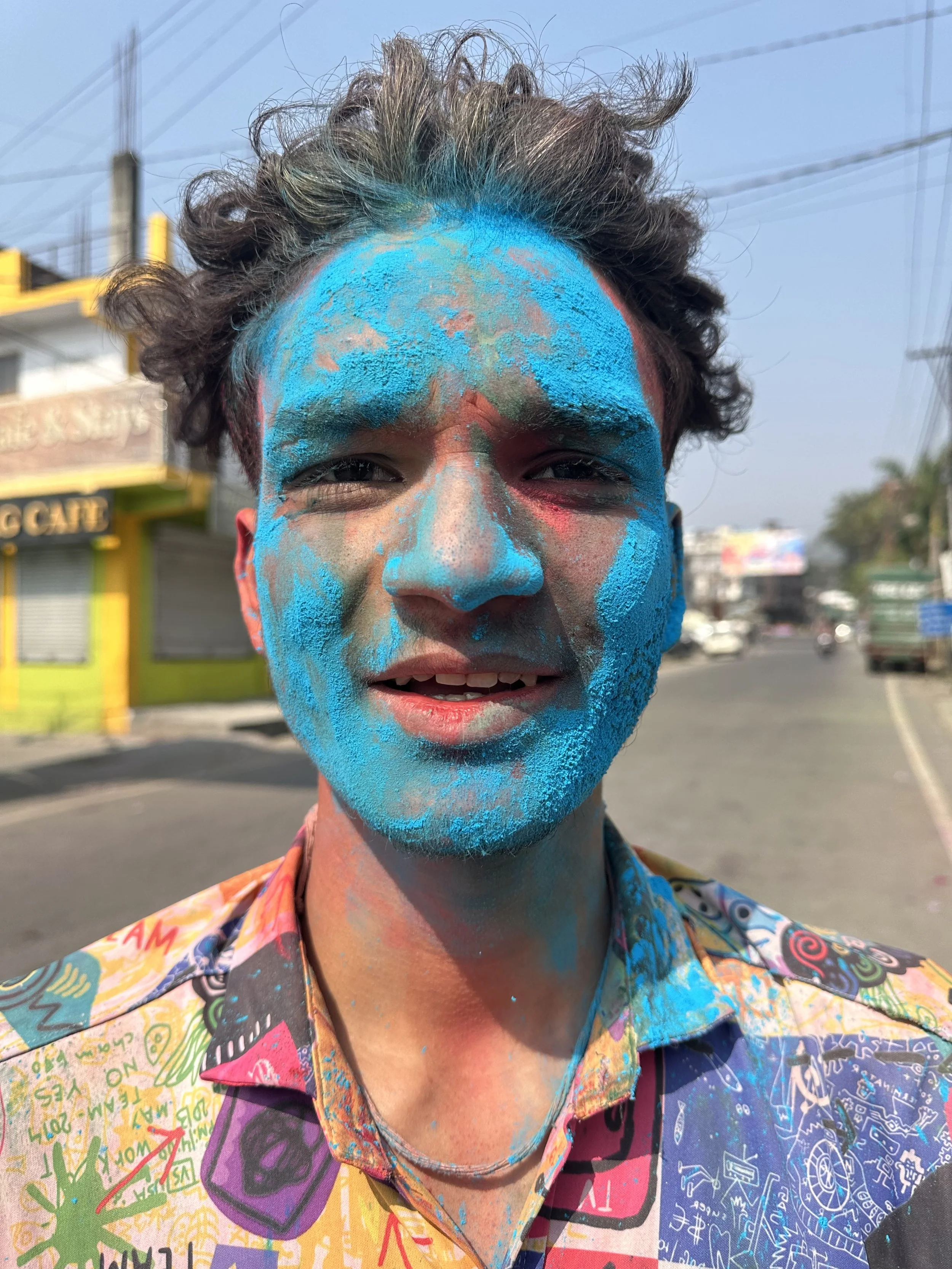
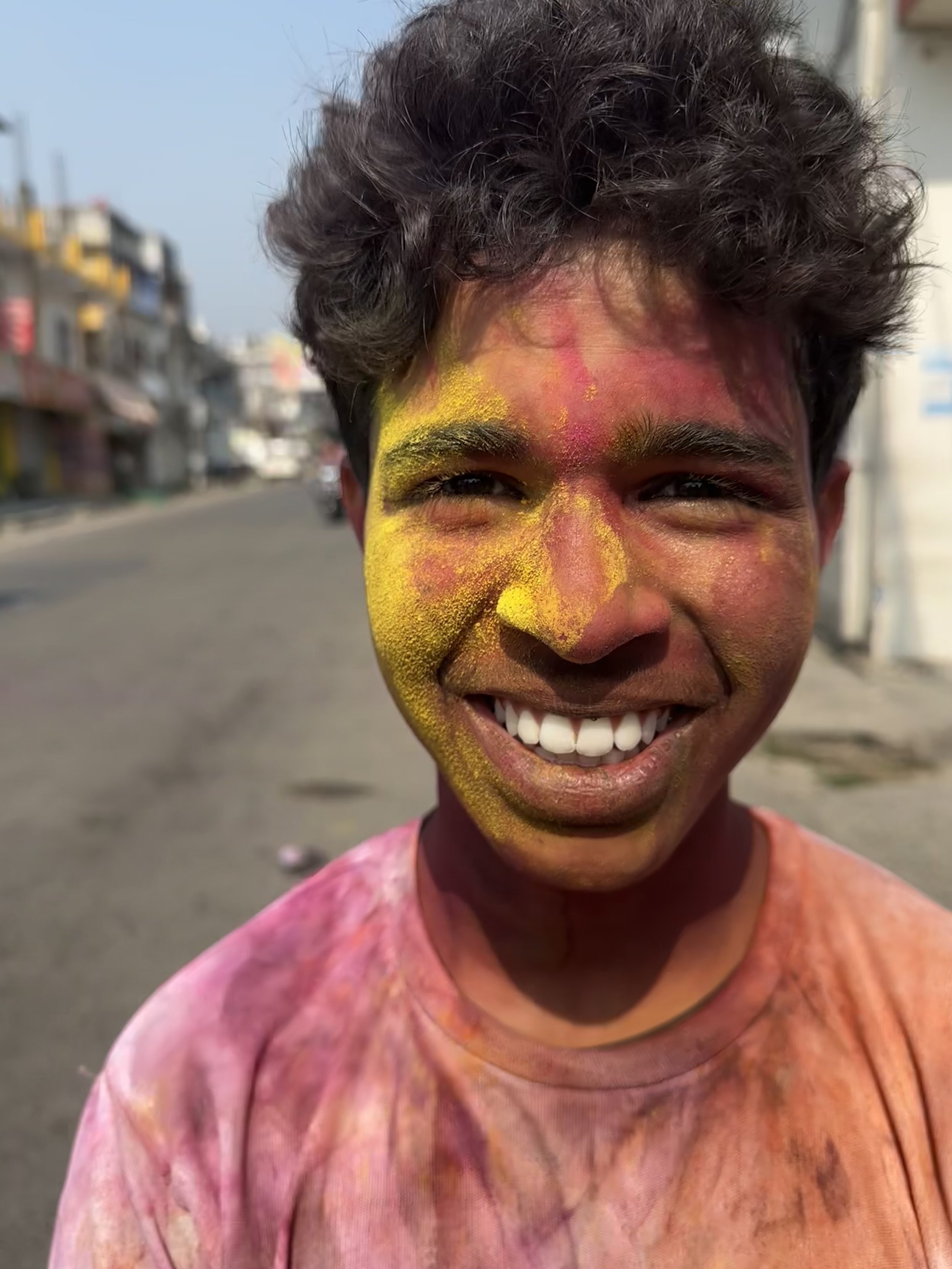
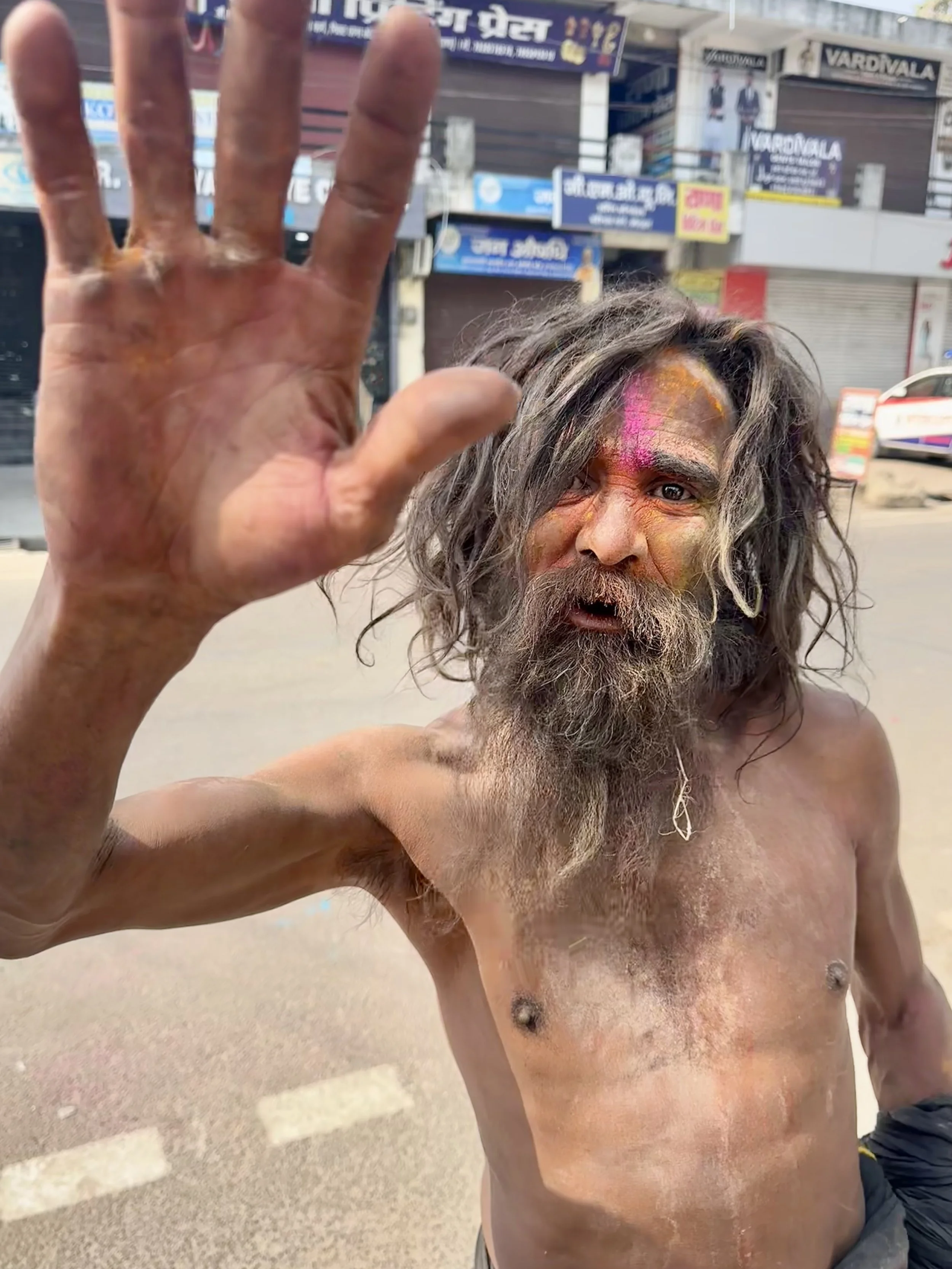
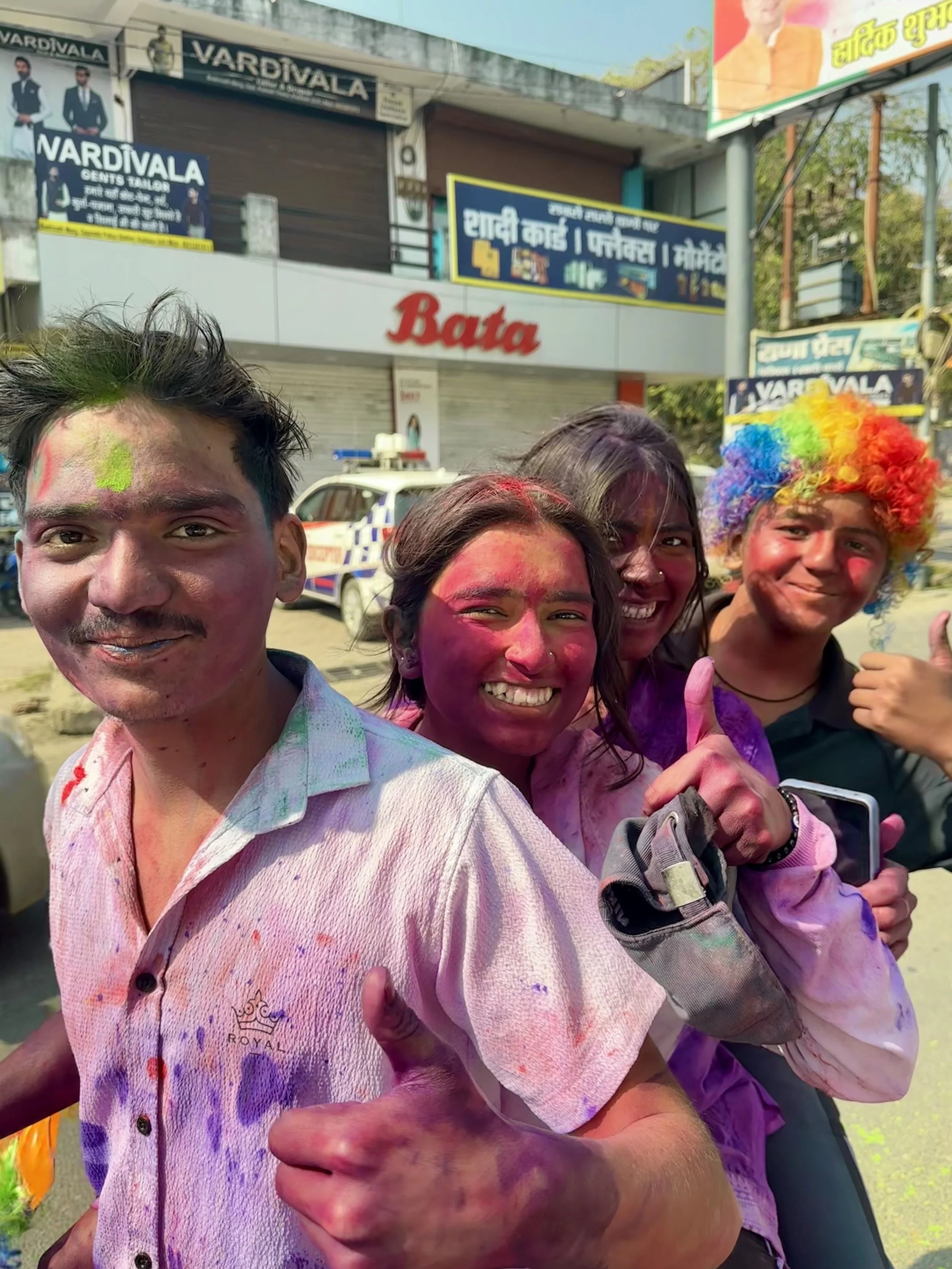
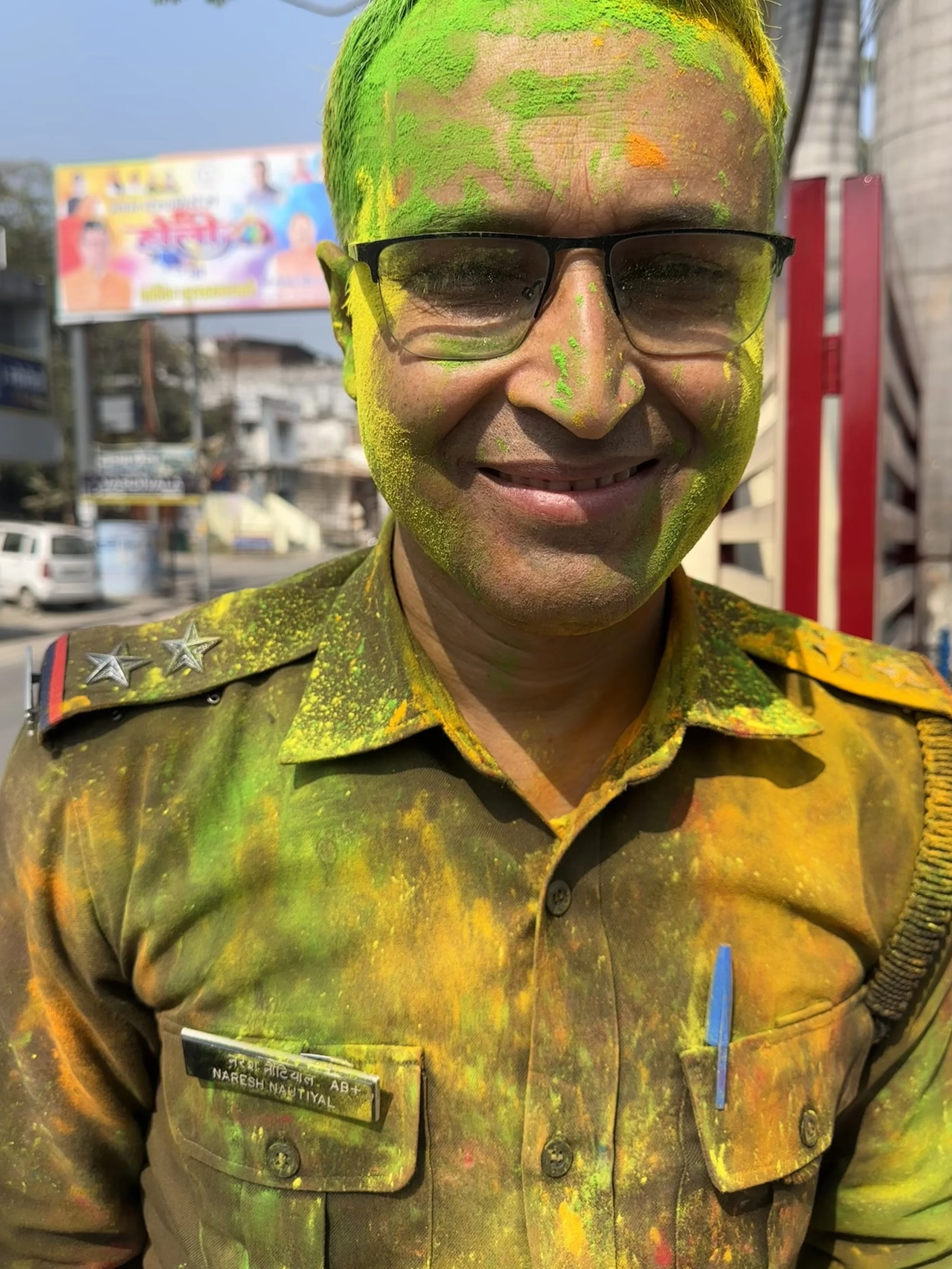
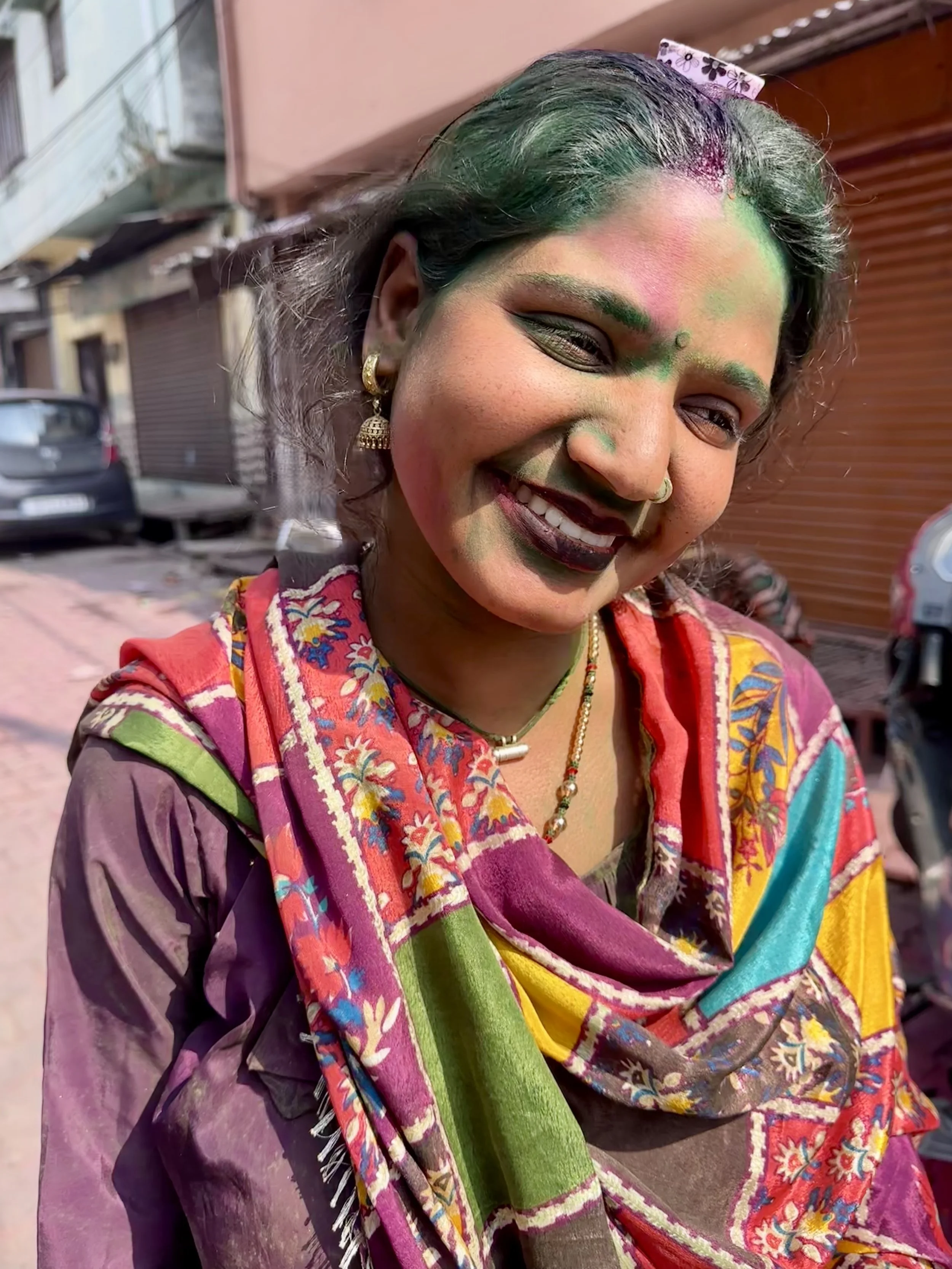
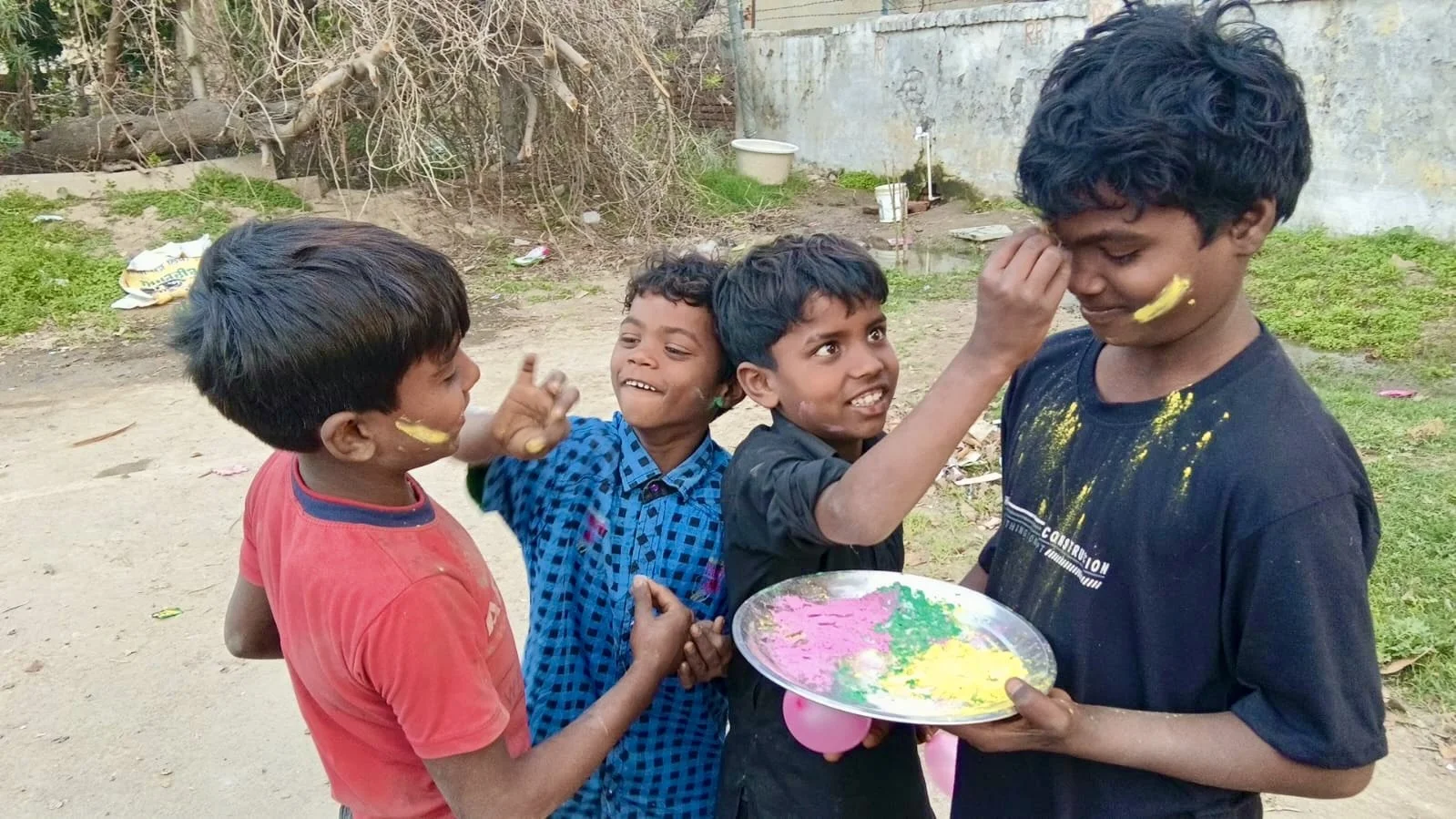
We were also there during Holi.

Colour, joy, laughter, mischief, energy.

A celebration of spring, of new life, of possibility and fresh starts. We were welcomed into it completely, covered in colour, embraced by the community, part of something joyful and shared. Moments like this stay with you.

A heavy weight

But alongside all of this, there is a weight we carry.

We met families facing immediate hardship.

We saw classrooms needing basic resources - books, games, sports equipment.

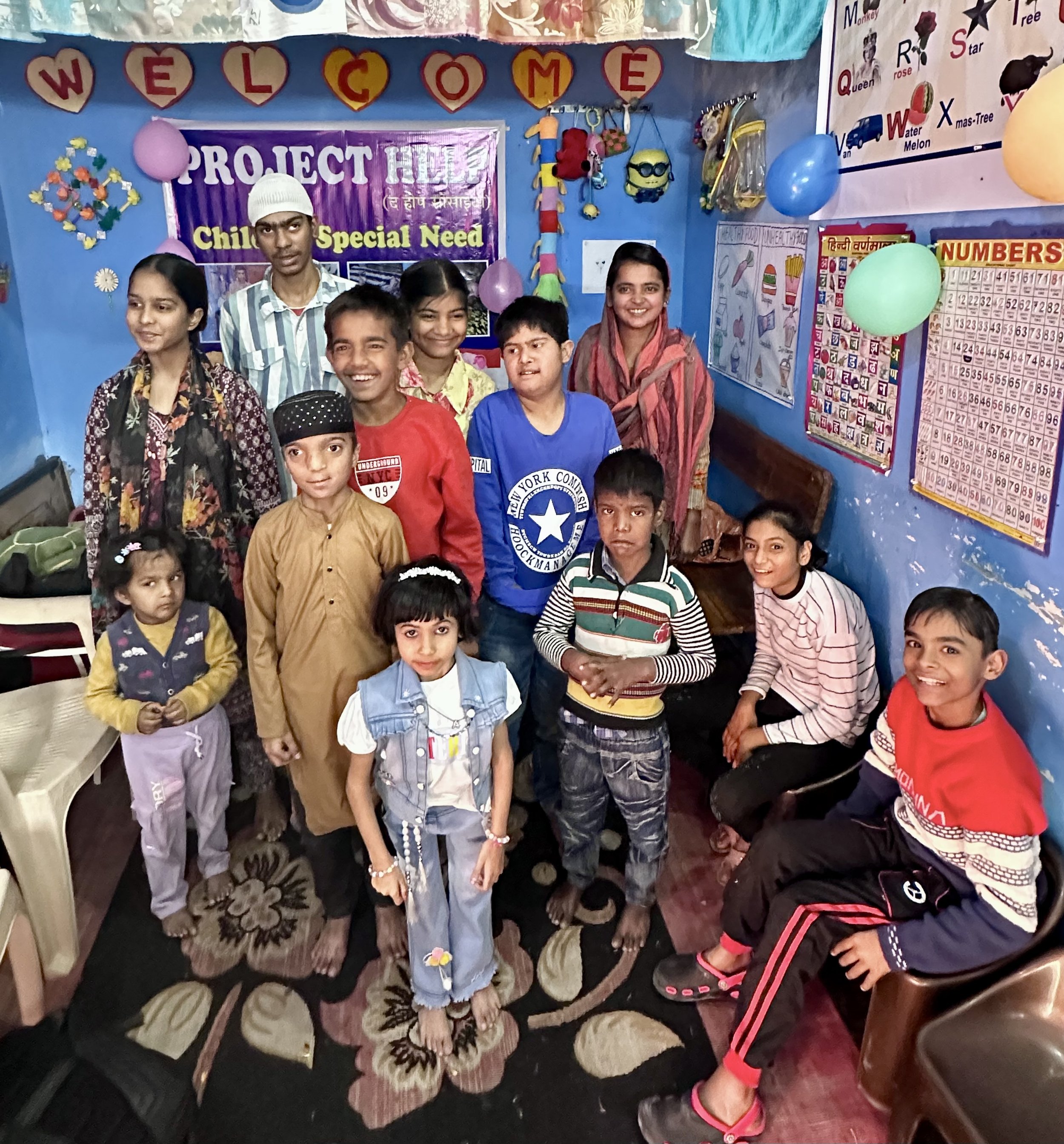
We spent time with children, particularly those from our Disability Centre -most of whom still have no access to formal education or ongoing support. Not because they are unable to learn, but because the systems around them are not equipped to include them. For many of these children, this means being left behind entirely -missing out on the opportunity to grow, to be nurtured, and to experience the dignity of education that should be available to every child. After meeting with their teacher, hearing their stories, and seeing both their vulnerability and their potential, I feel a deep responsibility to act. We are committed to following this up - to do all we can to advocate for a number of these students in particular, whose disability currently prevents them from accessing what is a basic human right: education, support, and the opportunity to flourish.

At times, it feels overwhelming.

But this trip has also given us clarity.

In the coming weeks, we’ll be sharing more about specific needs—how we can advocate, respond, and continue building programs that bring real, lasting change.

A shared journey

What we felt most strongly on this trip was the depth of relationship.

To walk through a slum and be welcomed.
To sit in someone’s home and be trusted with their story.
To reconnect with children who are now young adults.

This is not surface-level work. It is built over years. And it is something you our supporters are part of.

What stays with me

And as we reflect on all we’ve experienced, I (Doug) personally keep coming back to my encounters with poverty—and the deep injustice that sits alongside it.

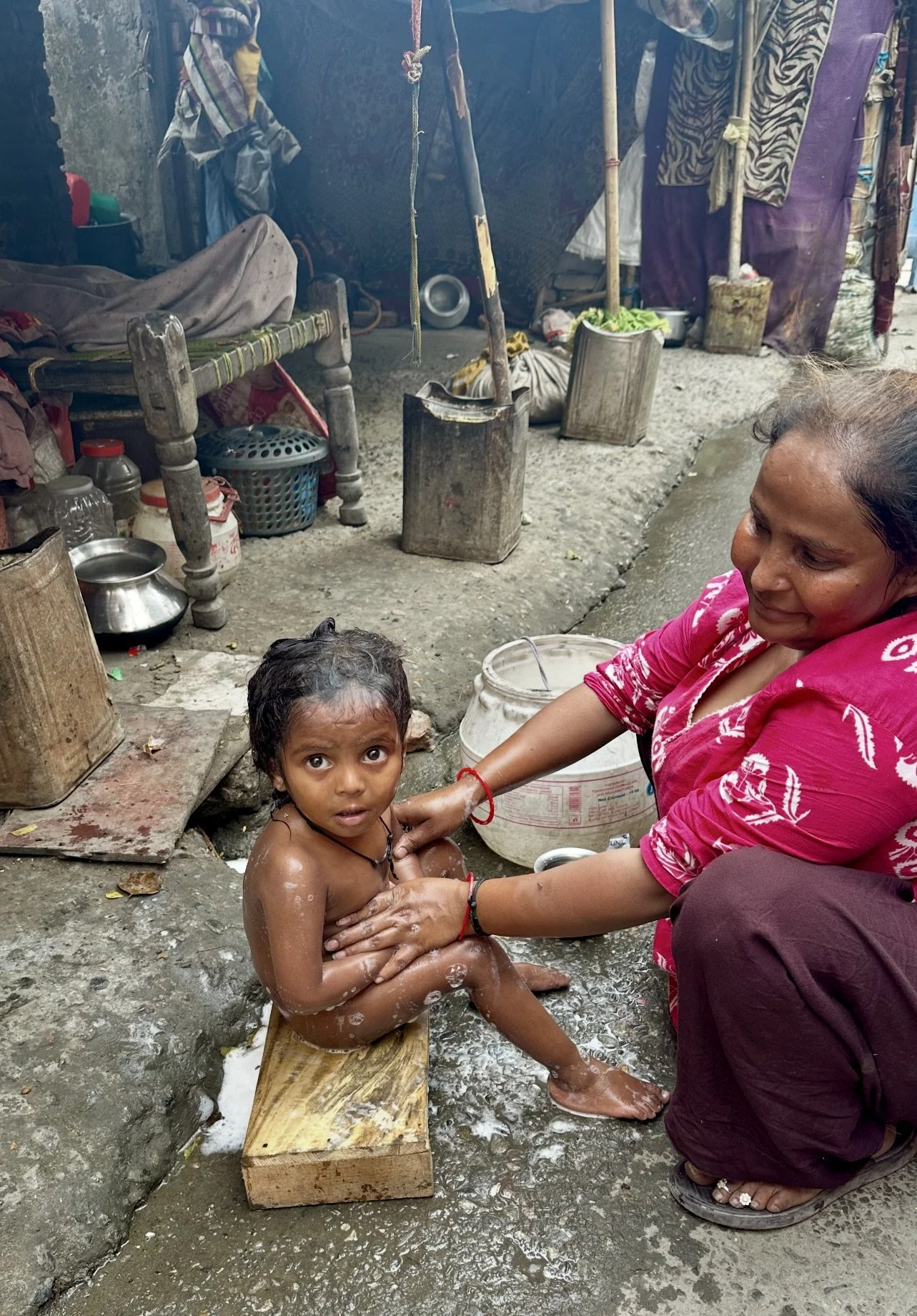
One of the most confronting moments for me on this trip was walking through a slum where, at one point, we saw a little kid being bathed in a bucket of water close by to an open, foul-smelling sewer. The environment was putrid, unsafe, and deeply confronting - conditions that no one should have to live in.

I felt embarrassed to be there. Self-conscious. Not out of fear for my safety, although it’s not a place tourists would normally go, but because the contrast between myself and the people around me could not have been more obvious. My skin. My clothes. My wealth.

And yet -we were welcomed.

People greeted us. Invited us in. Offered us a place to sit.

It’s hard to reconcile such hardship with such hospitality. But it’s real. And it’s humbling.

It humbles me because, in those moments, I see something deeply human. I see people who are no different to me—equal in worth and dignity—yet enduring circumstances that are incredibly hard. And still, they smile. Some are cautious—but many know us now. We’ve been part of their community for years. We’ve taught their children. Some of the very people welcoming us were once students in our centres—now grown, some even holding babies in their arms.

This is what long-term impact looks like.
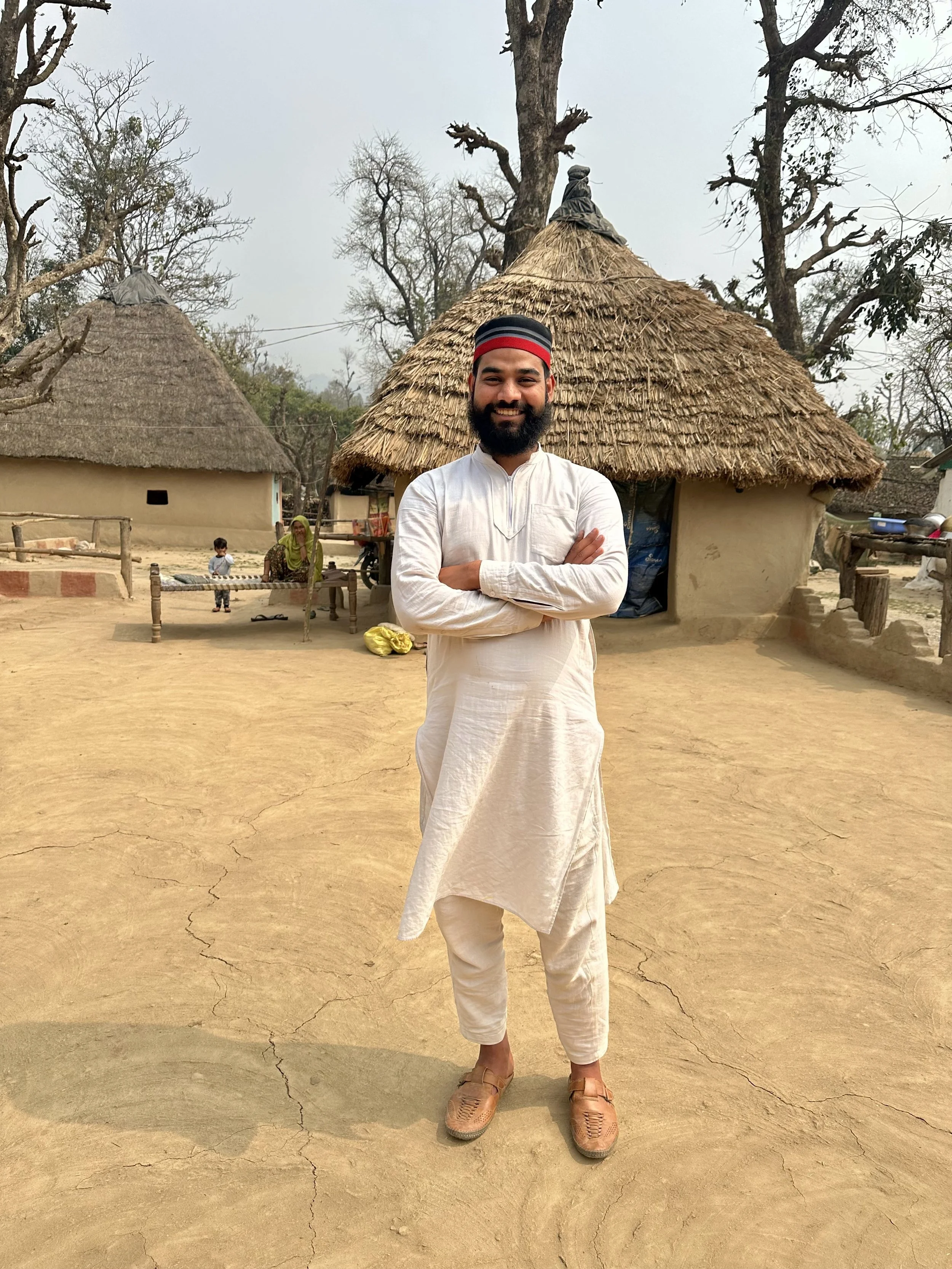
And yet, despite the smiles, I find it incredibly sad. Because this world could look so different if we were more committed to investing where it truly counts - making a difference in people’s lives, bringing hope, dignity, and opportunity where it’s needed most.

So different to what is currently occupying headlines around the world. So much pain and sadness that, in many ways, could be avoided.

And I’m reminded of the words of Mother Teresa, who spoke about seeing Jesus in “the distressing disguise of the poor.”

We have seen that again.

And it changes you.

It has once again changed me deeply and completely.
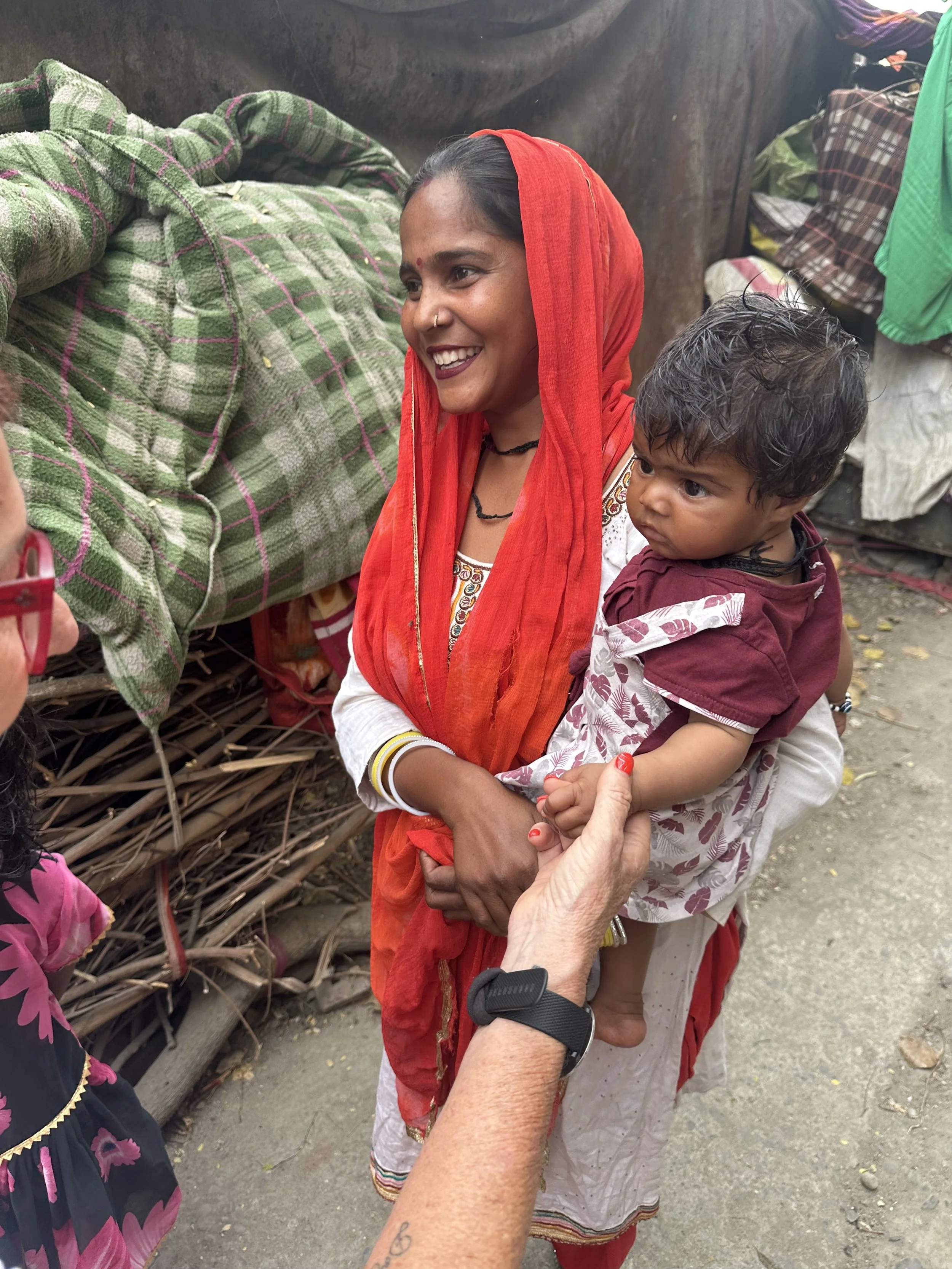
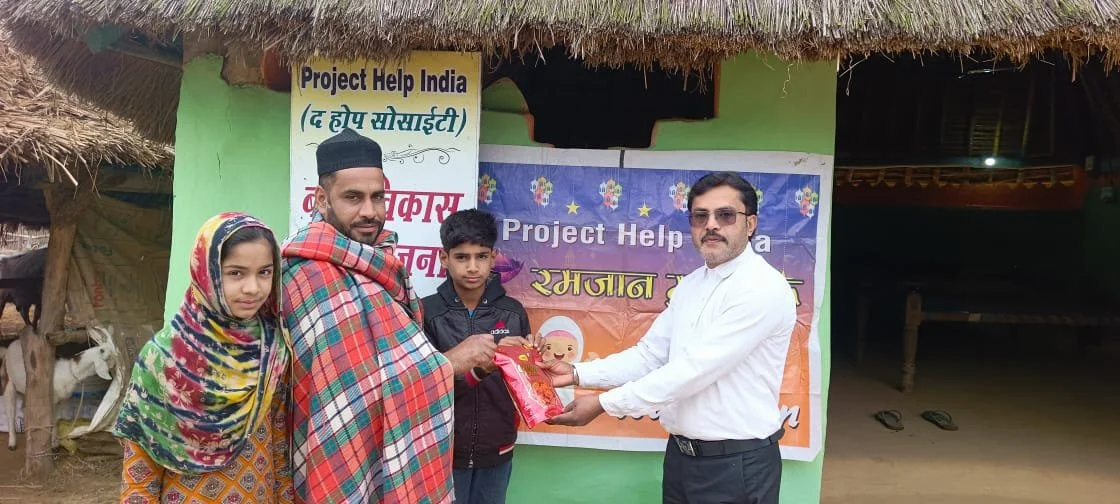
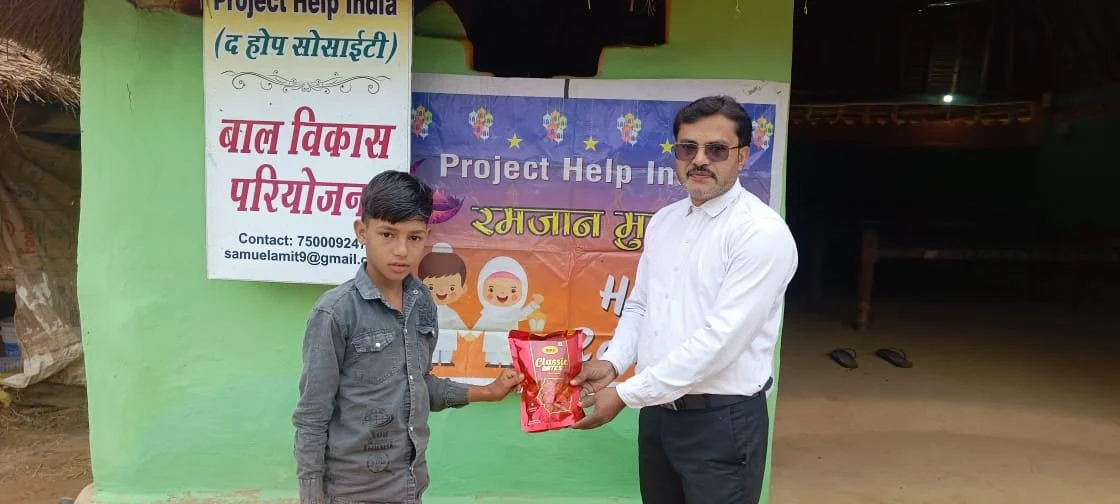
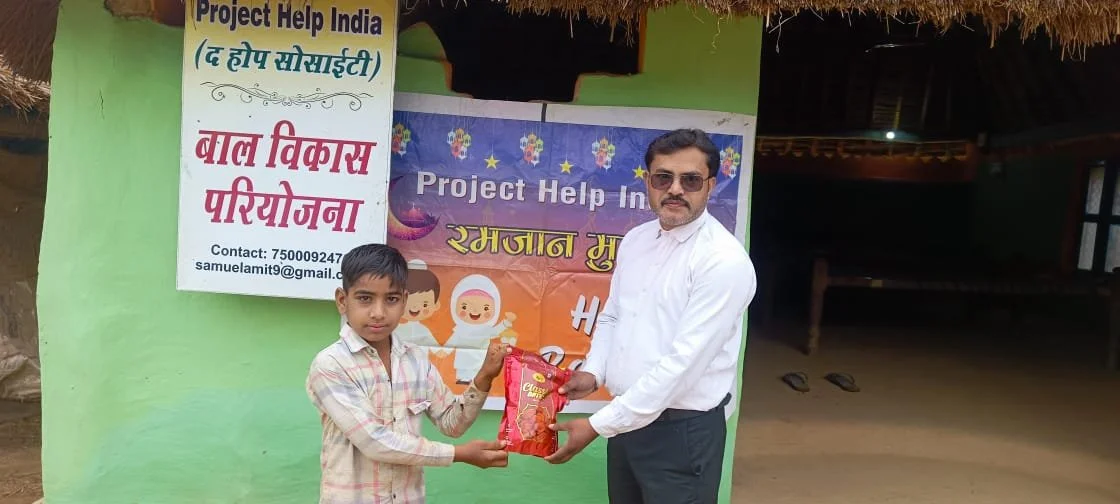
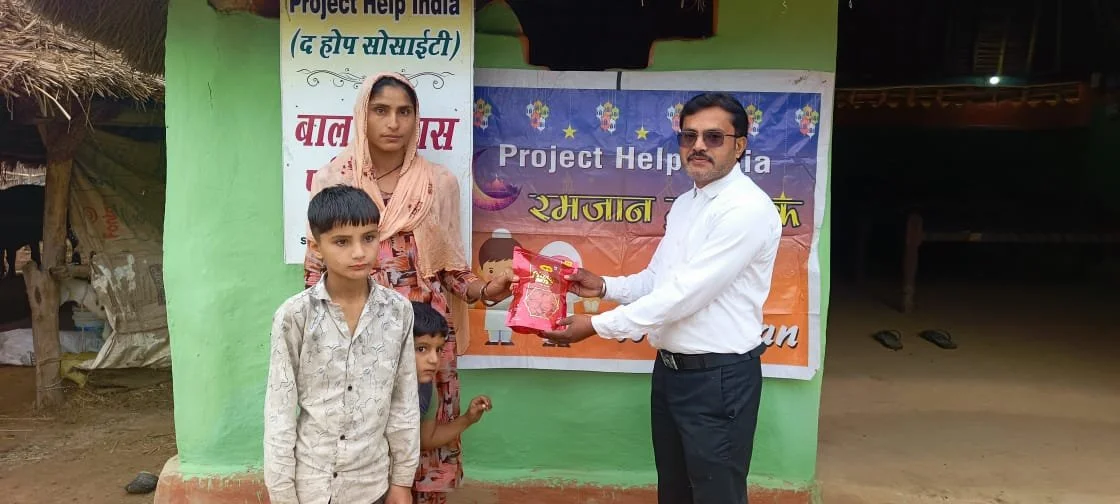
Bringing Eid to Life: Moments of Joy and Dignity in India’s Hidden Communities

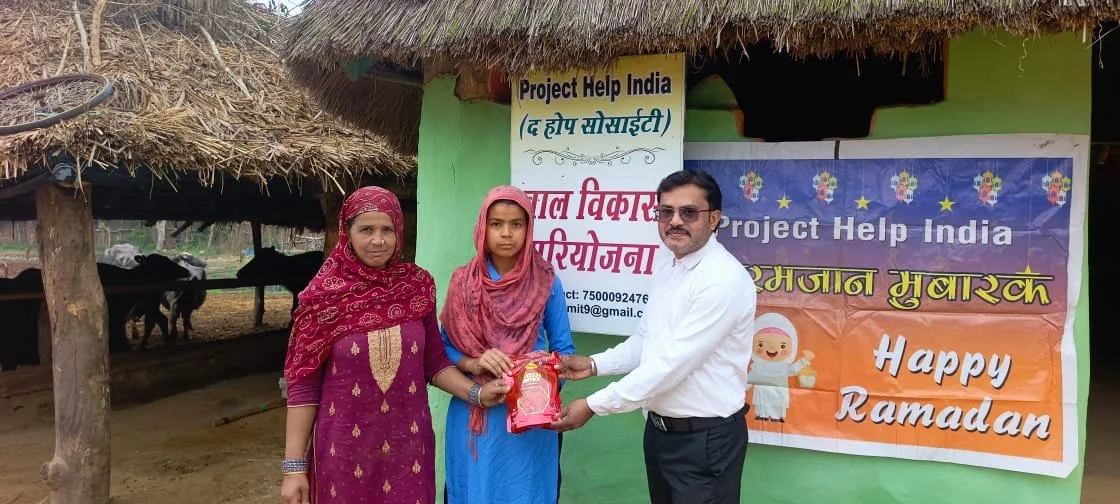
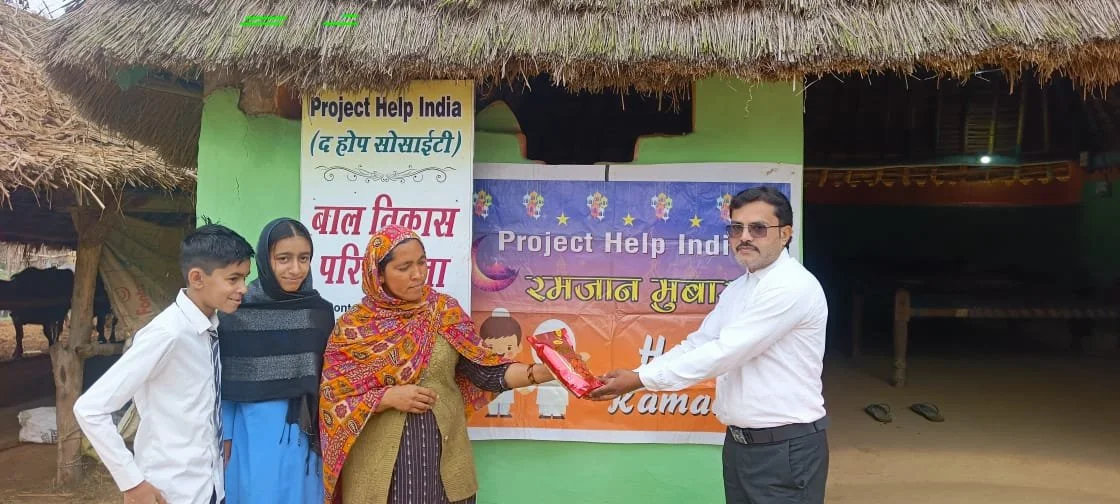
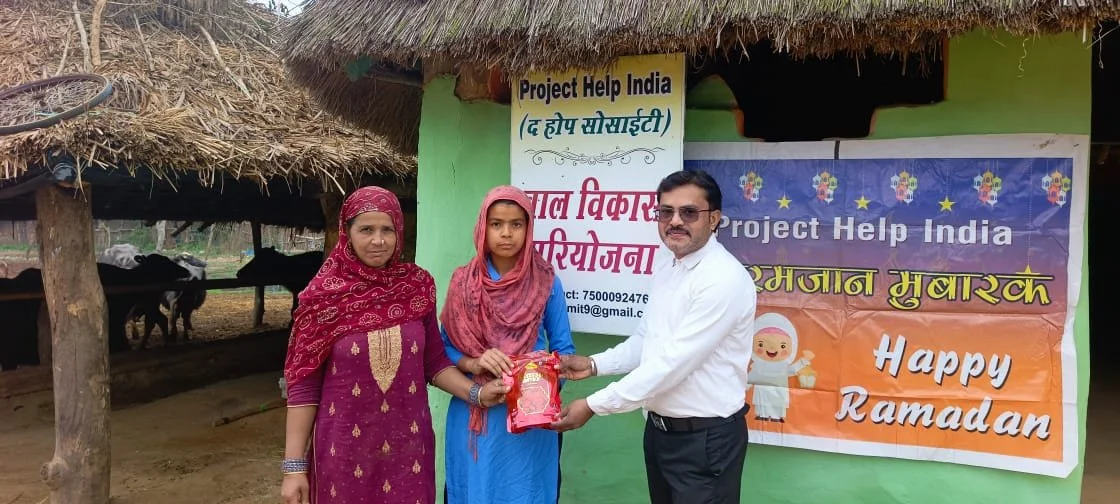
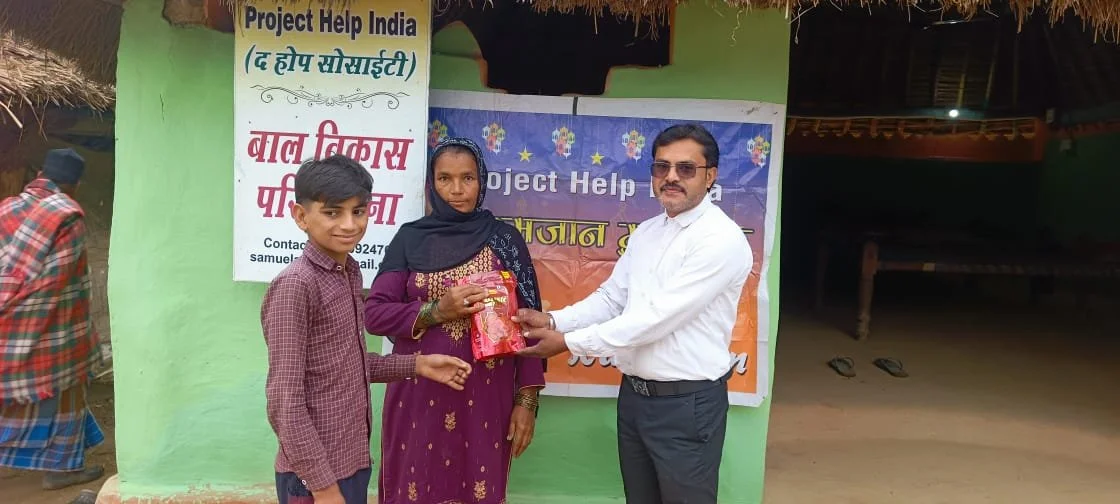
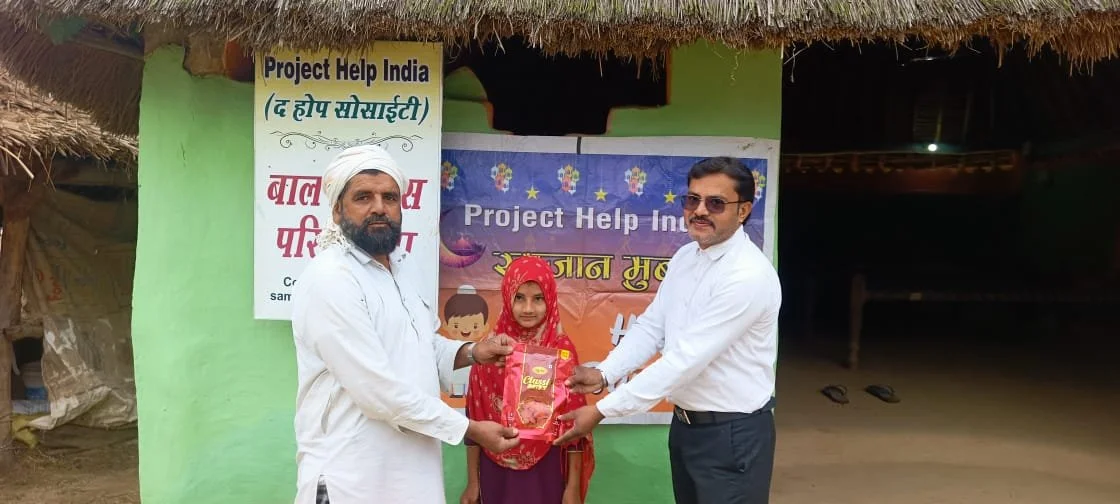
At the end of March, as the crescent moon marked the arrival of Eid, something beautiful unfolded in the quiet, often overlooked places of Northern India at Village Kadarganj and the Kotdwara slum communities.

For many families here, Eid is not marked by feasts or new clothes. In Kadarganj -a traditional Islamic village where homes are built from bamboo and mud, where electricity is absent, and where families depend on selling a few litres of milk each day -celebration is often a luxury beyond reach. During monsoon, even that fragile income disappears as flooded rivers cut off access to nearby towns. Survival, not celebration, becomes the priority.

And yet, this year -like every year, Project Help stepped in to change that story.

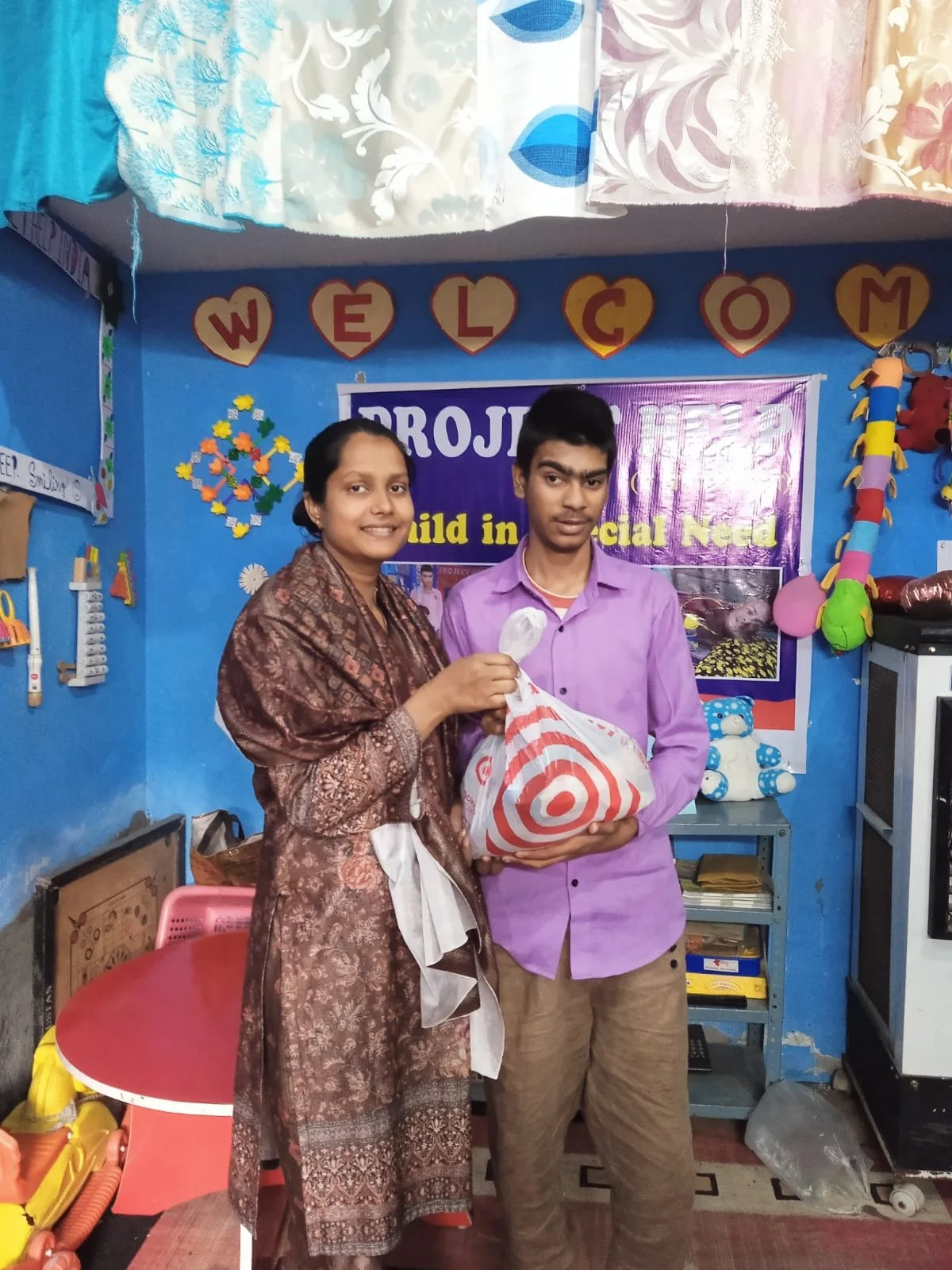
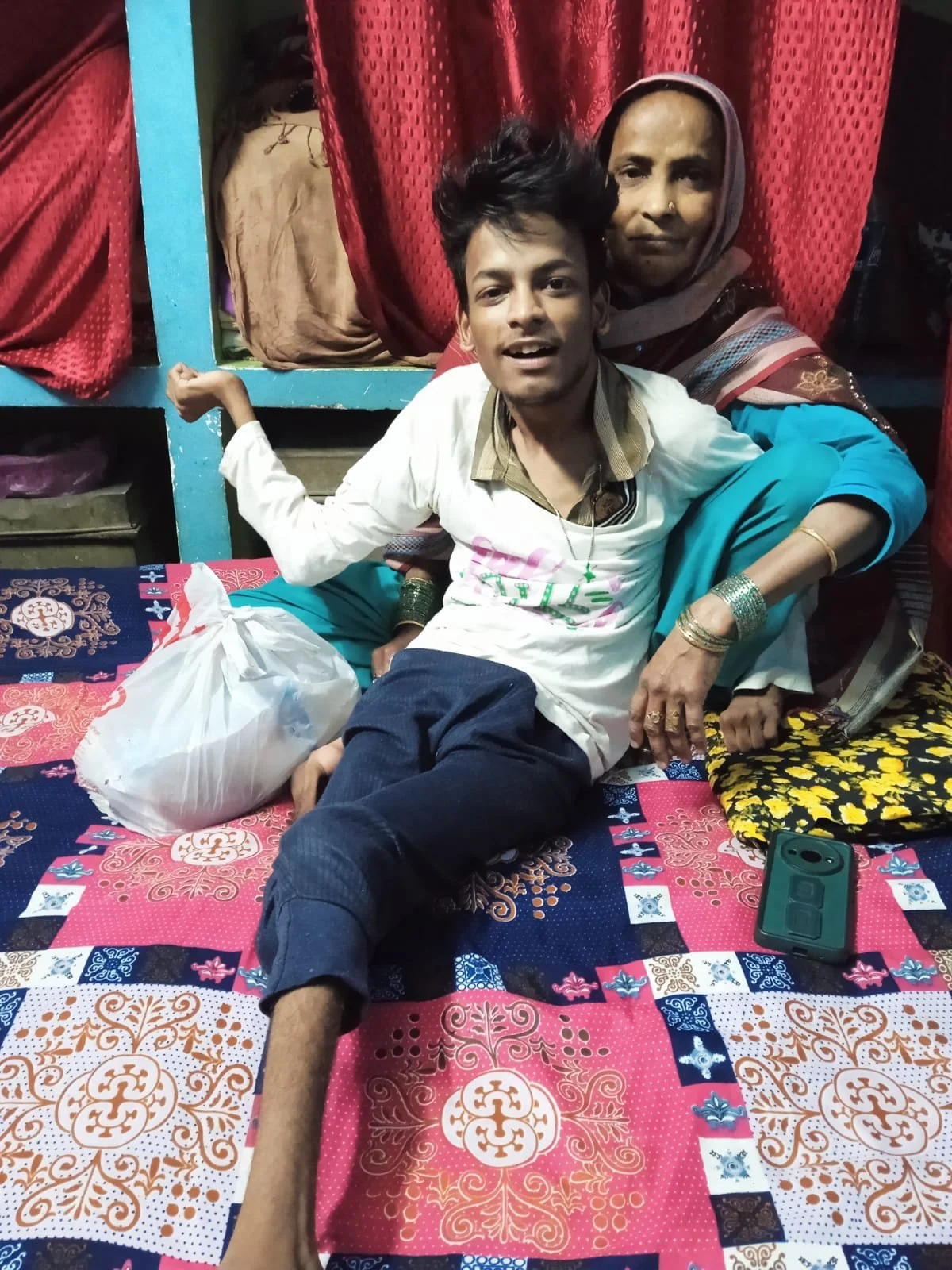
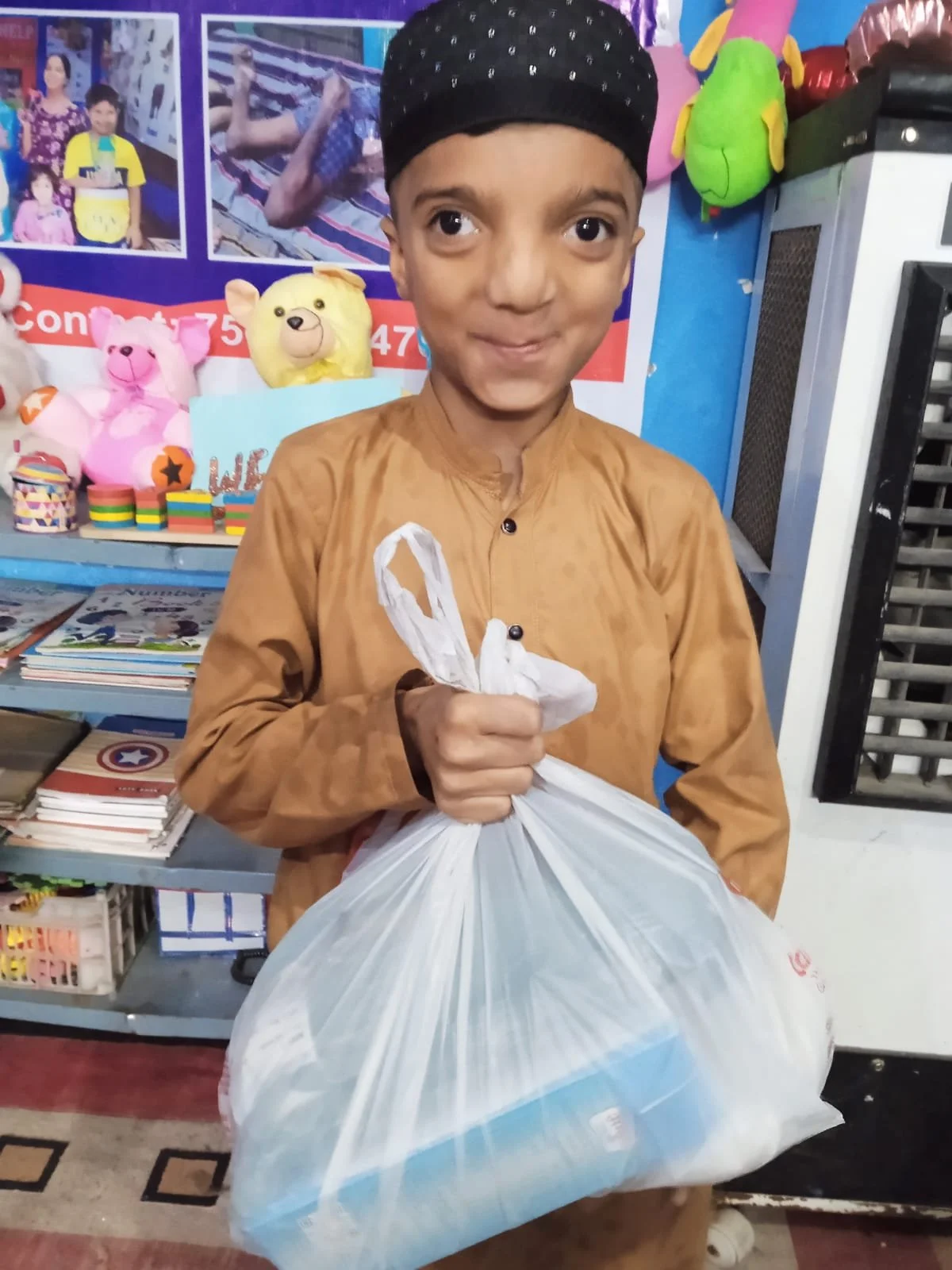
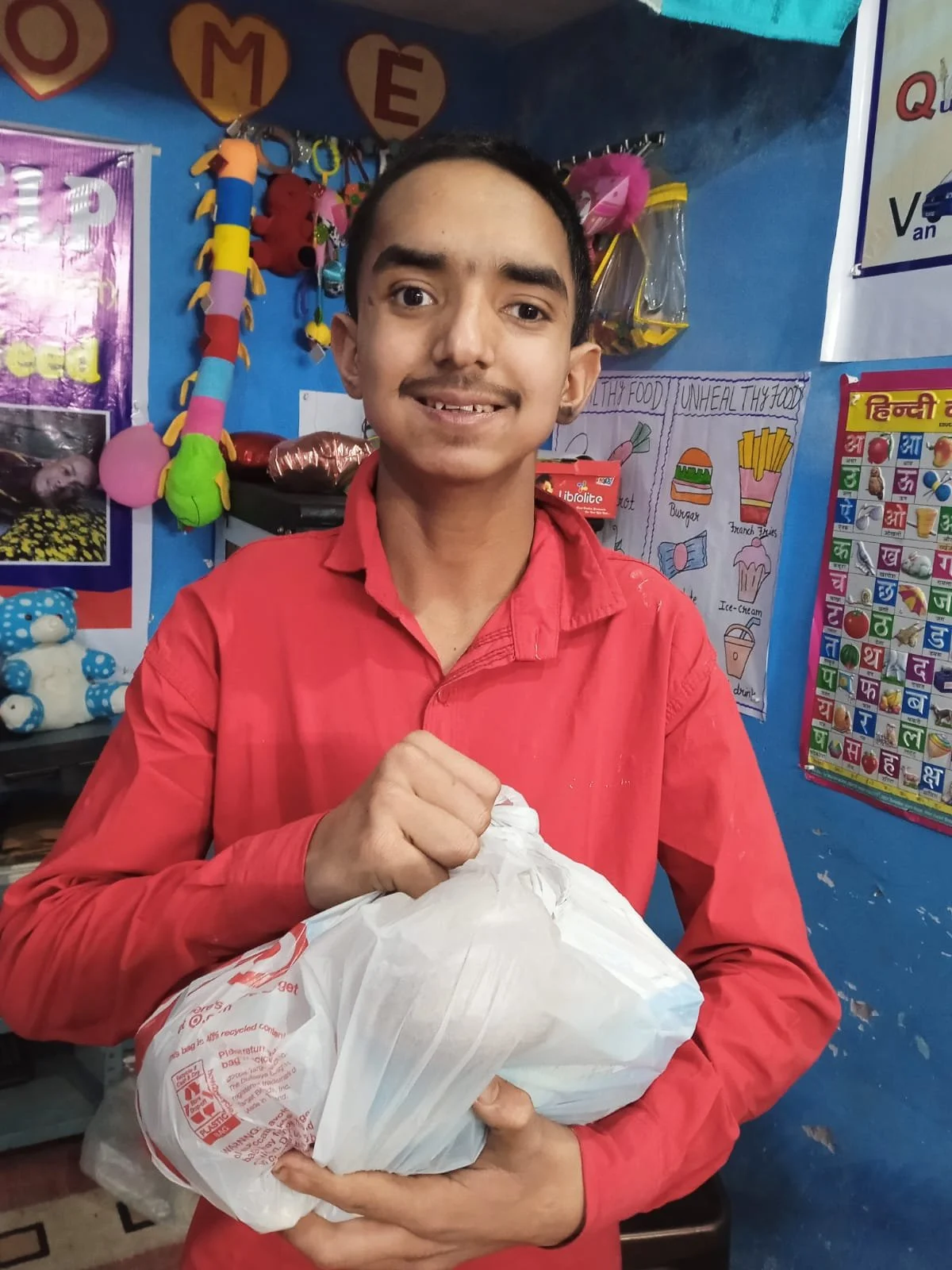
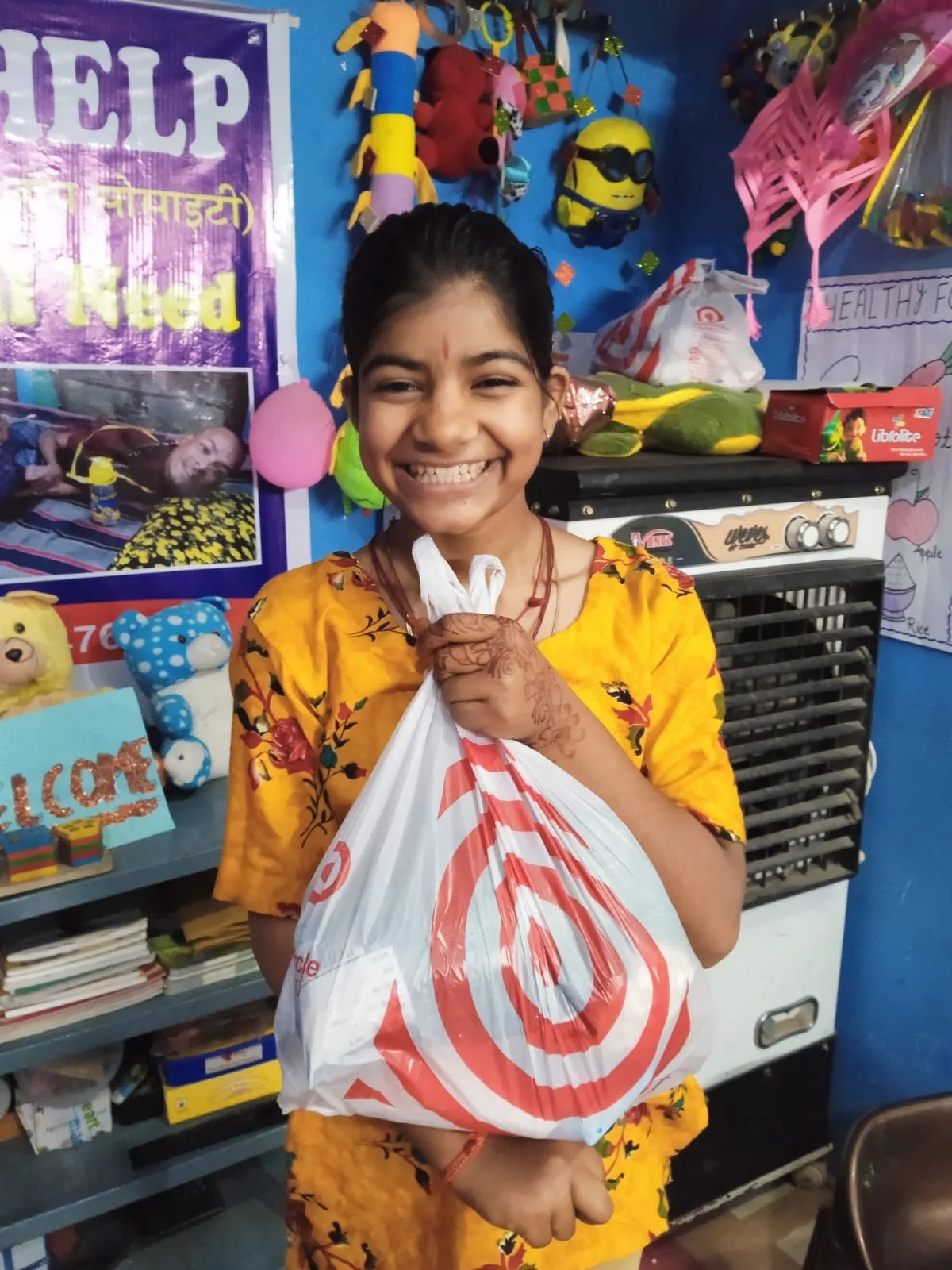
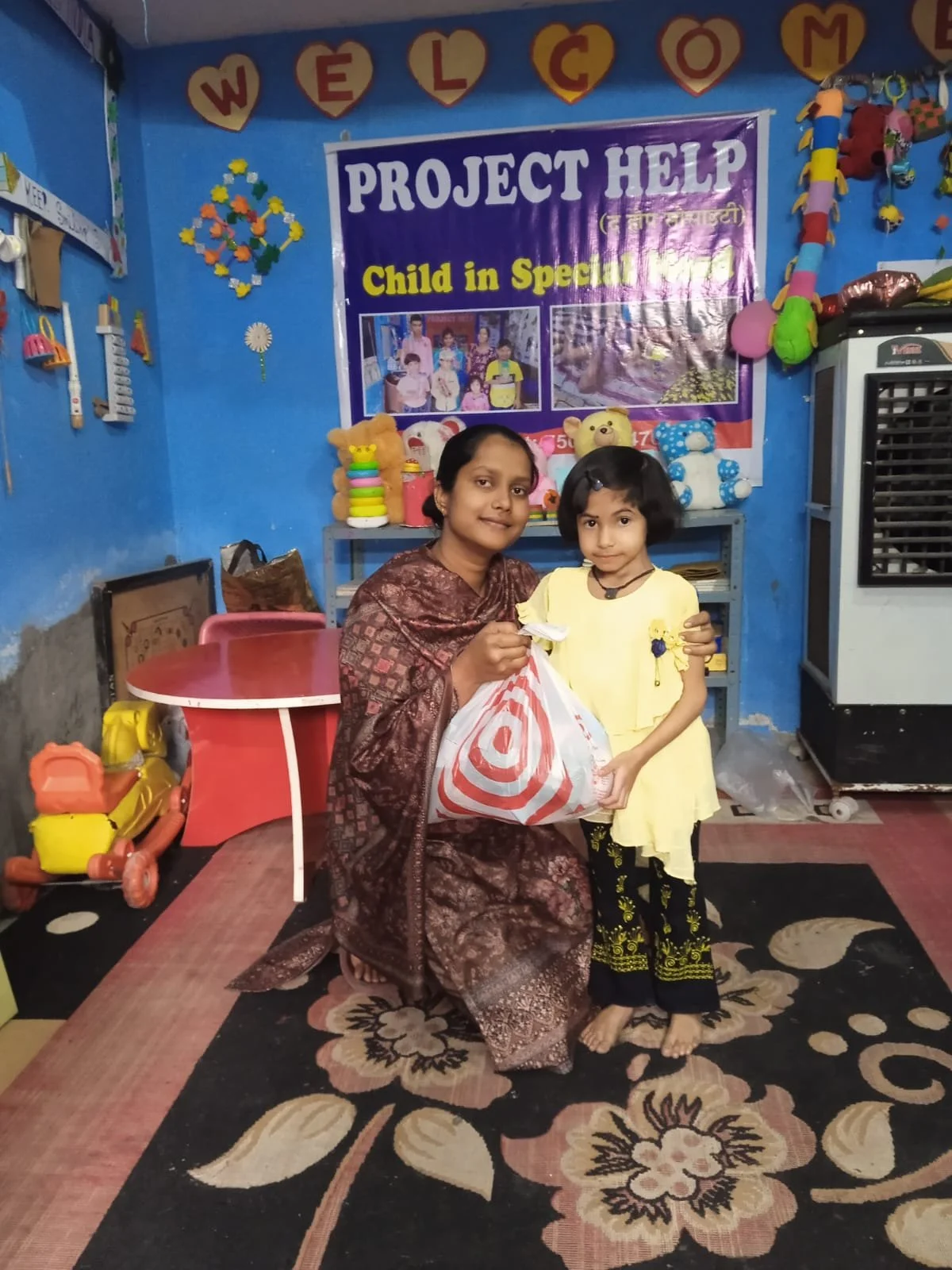
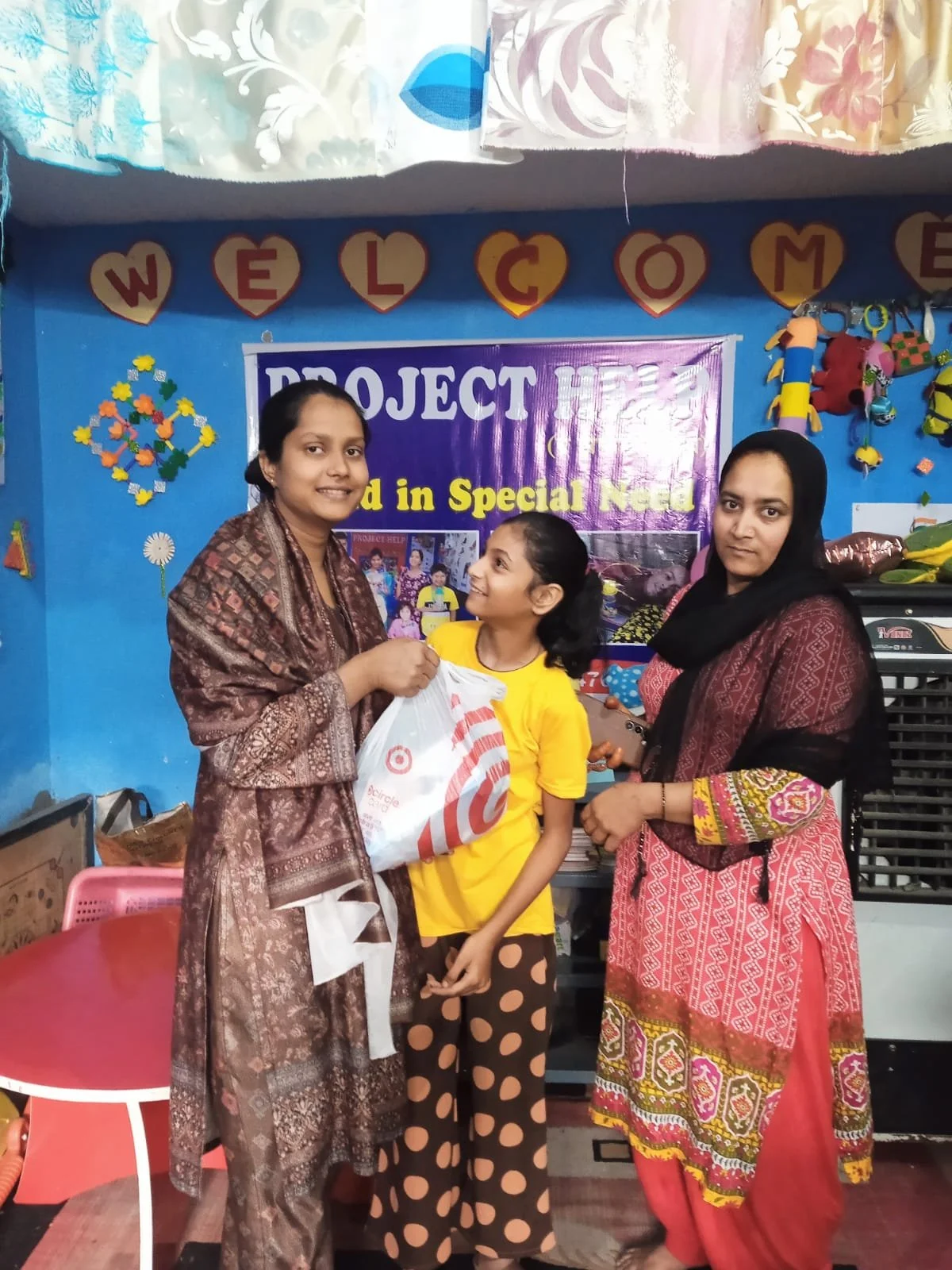
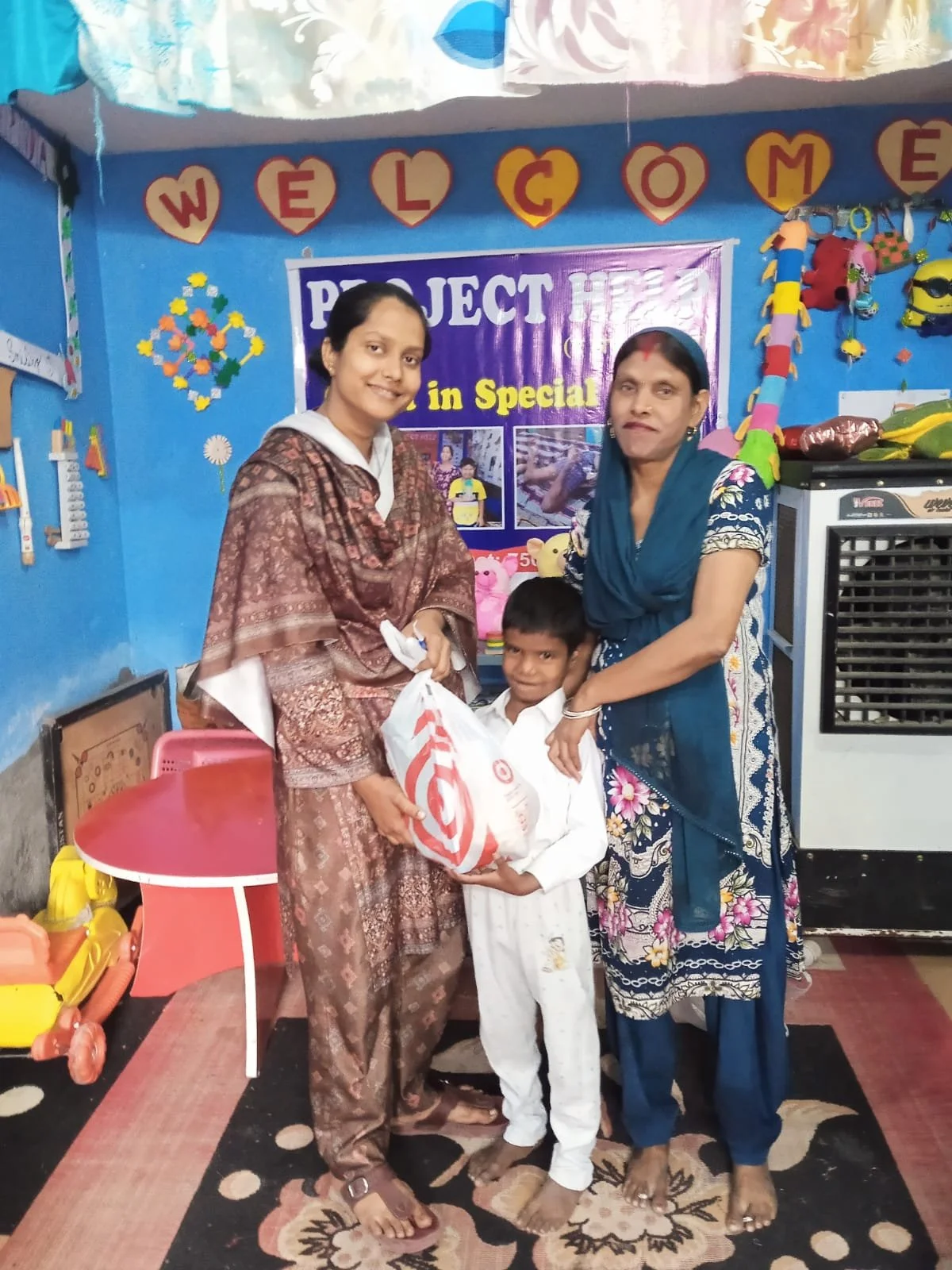
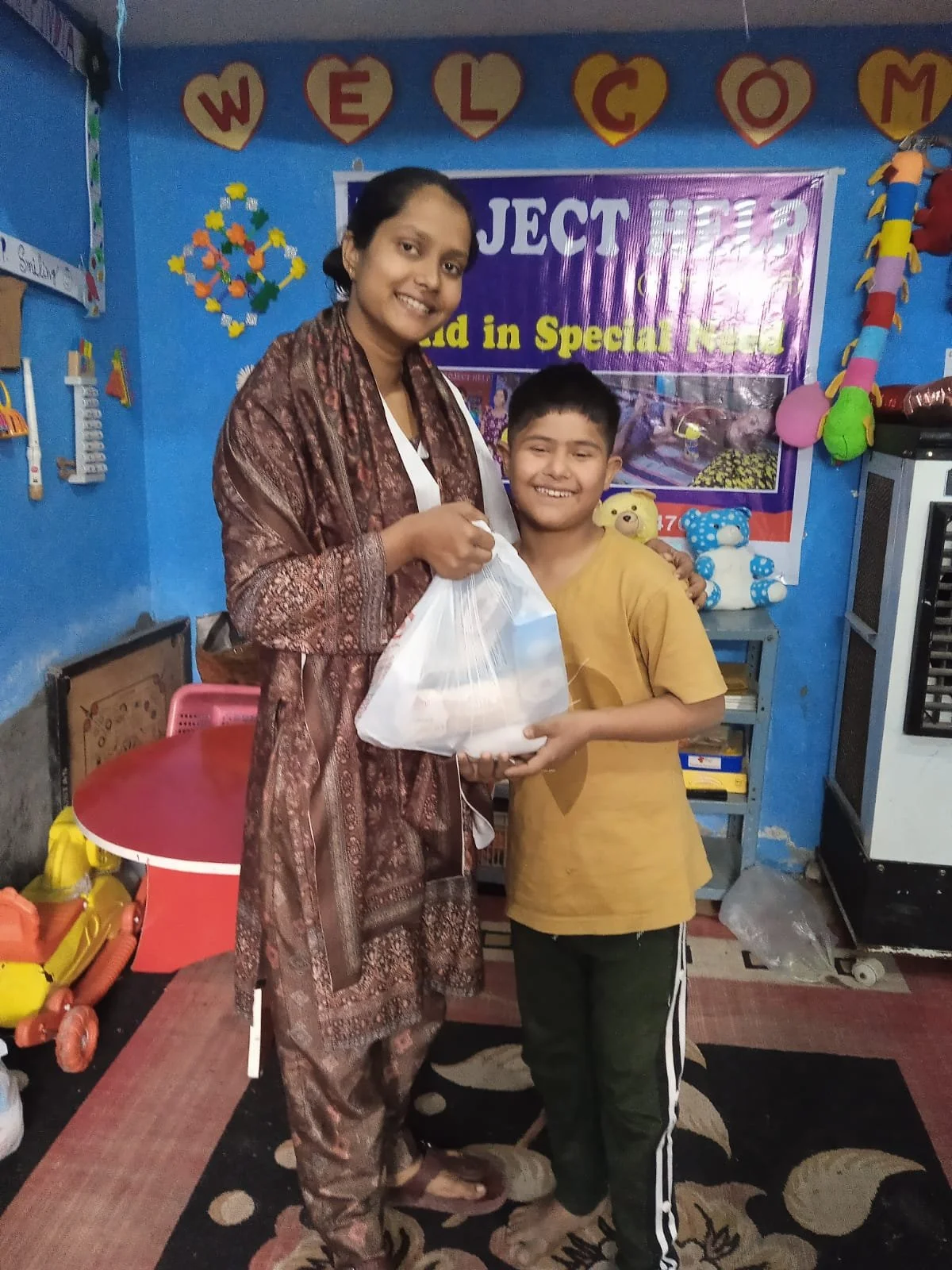
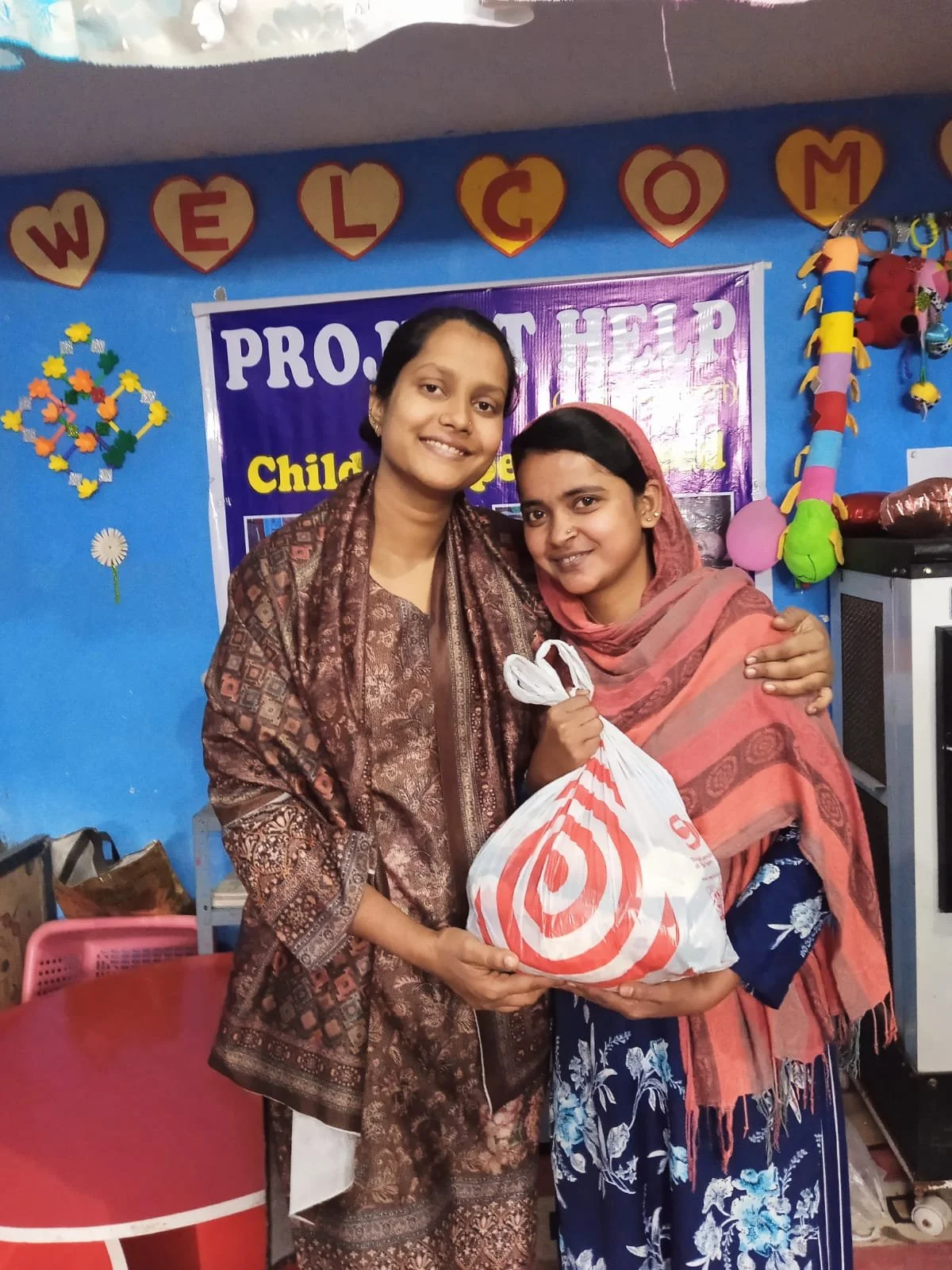
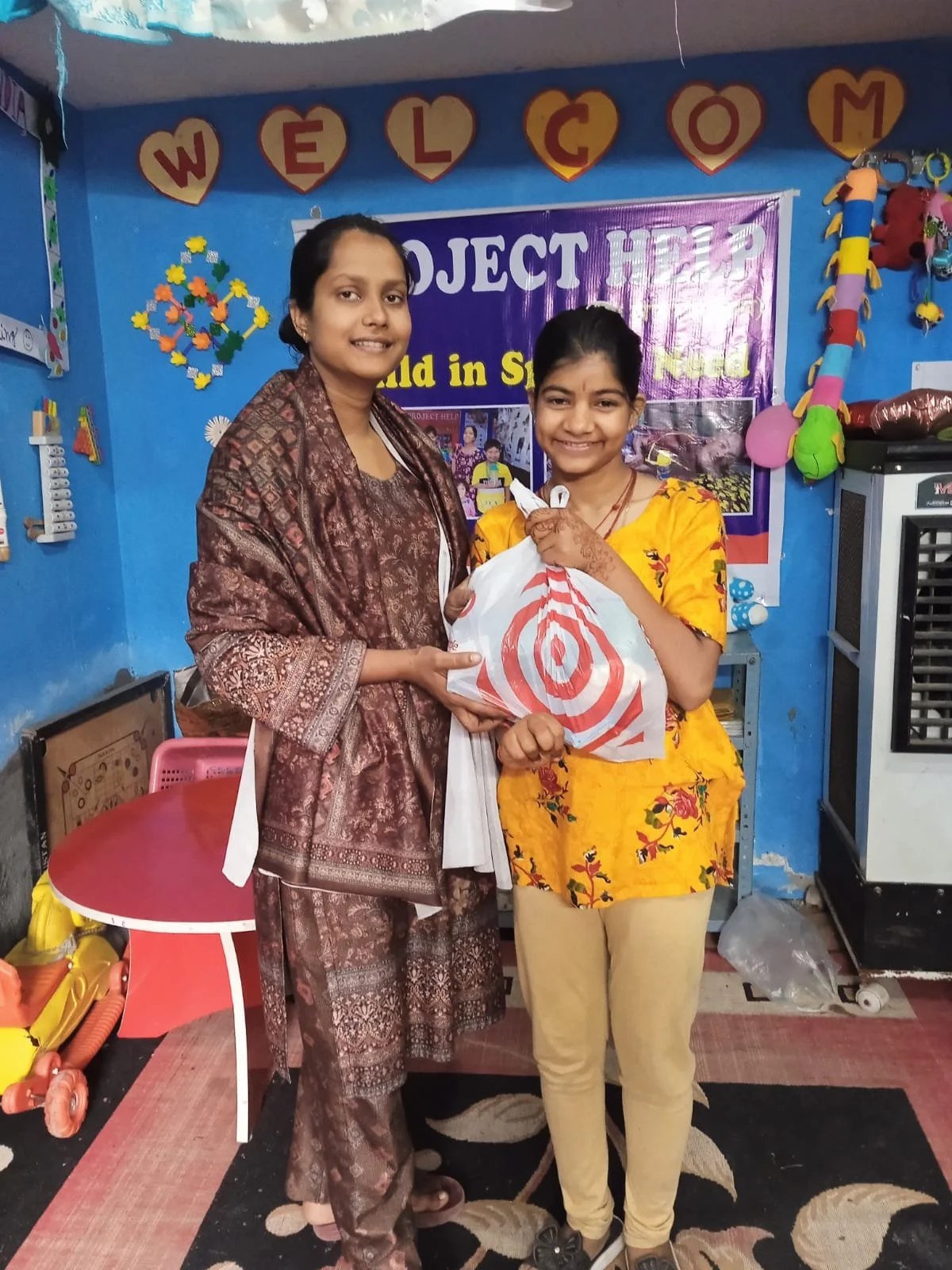
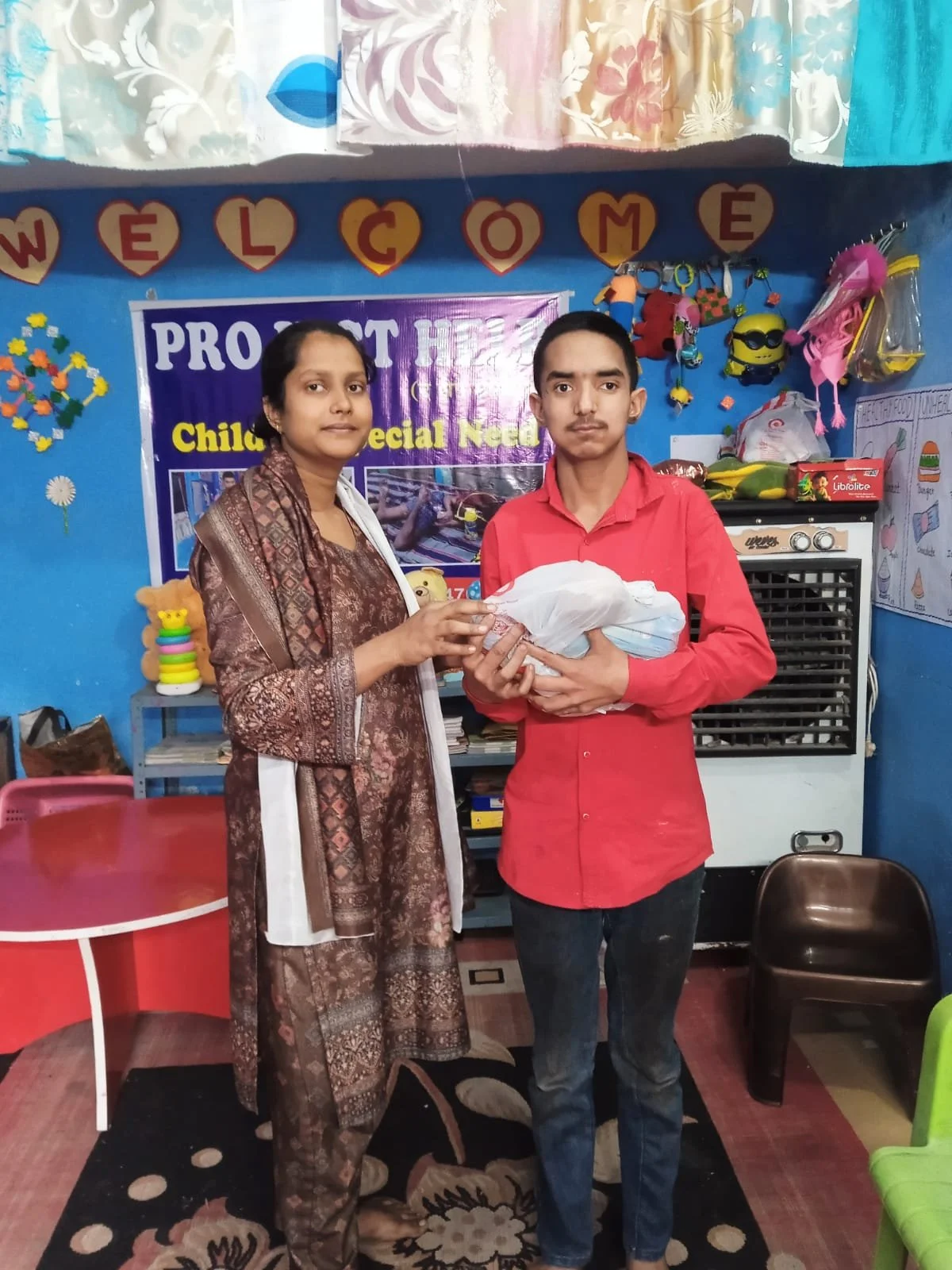
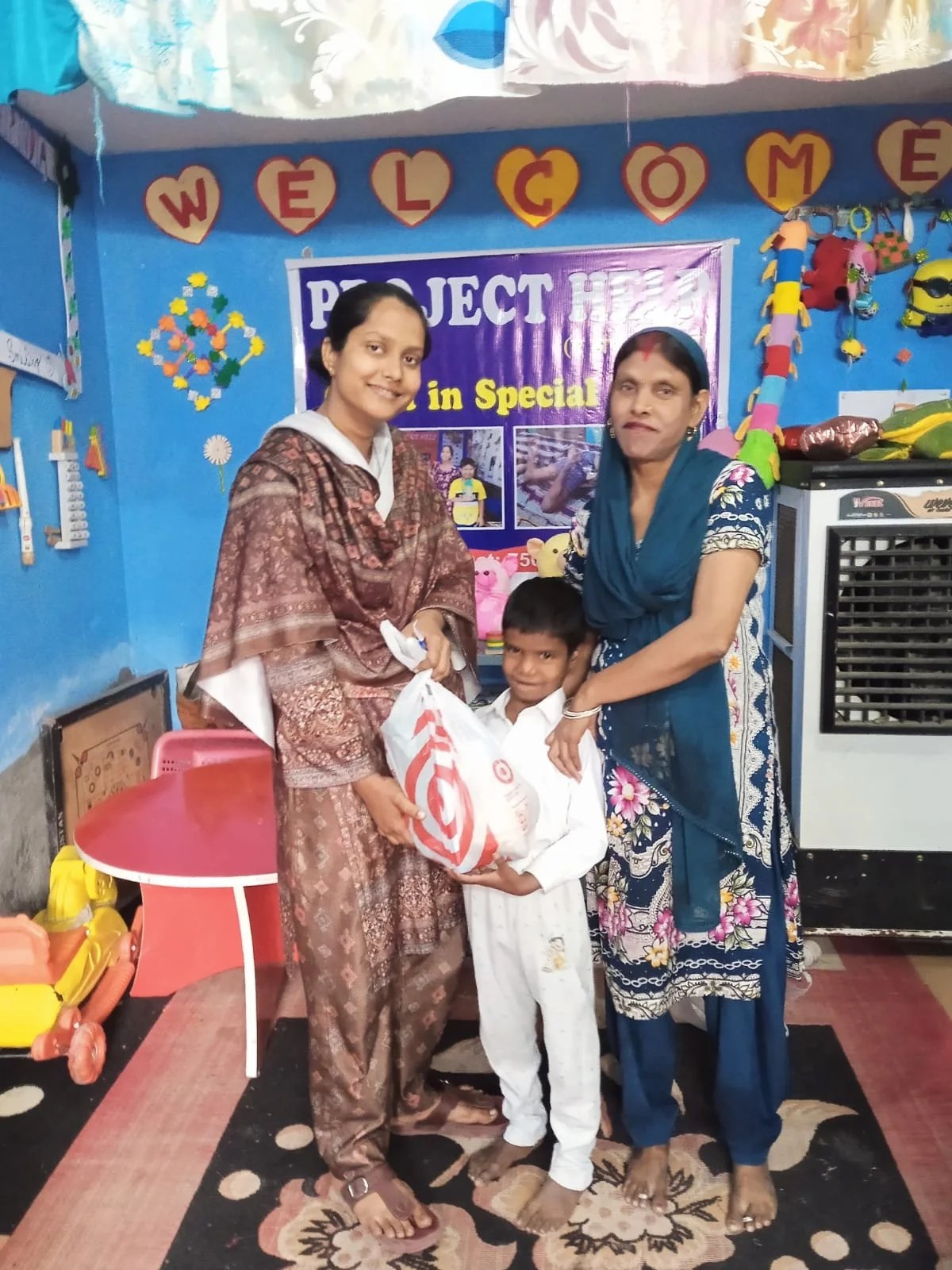
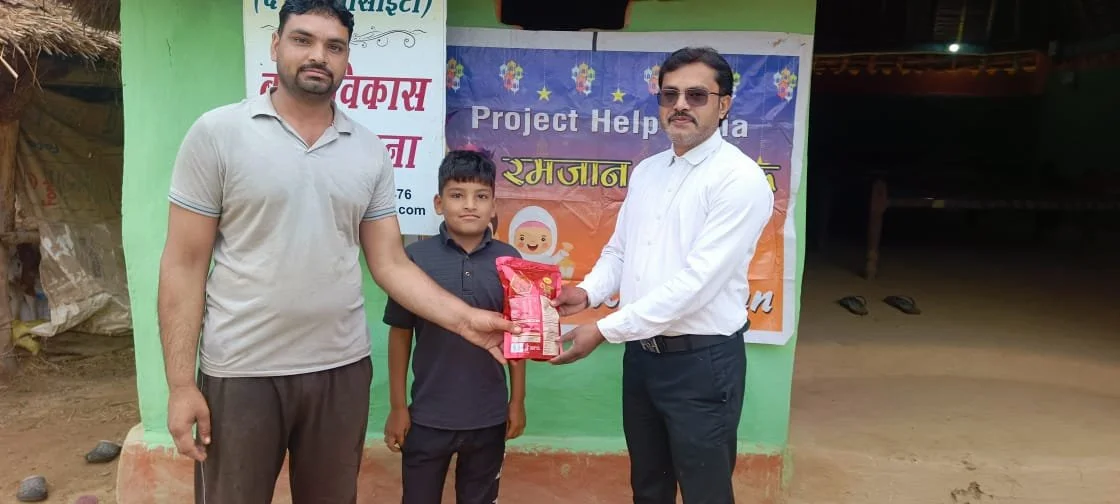
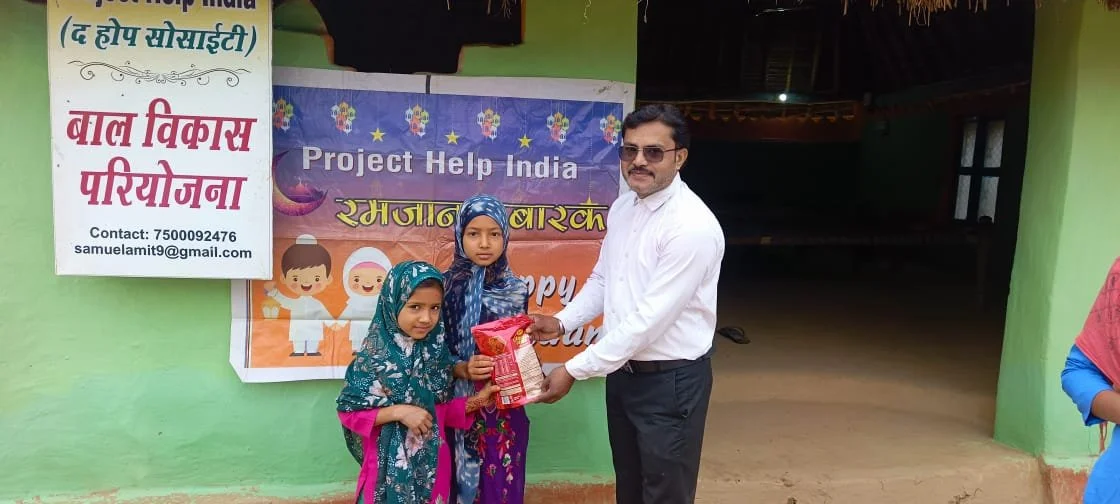
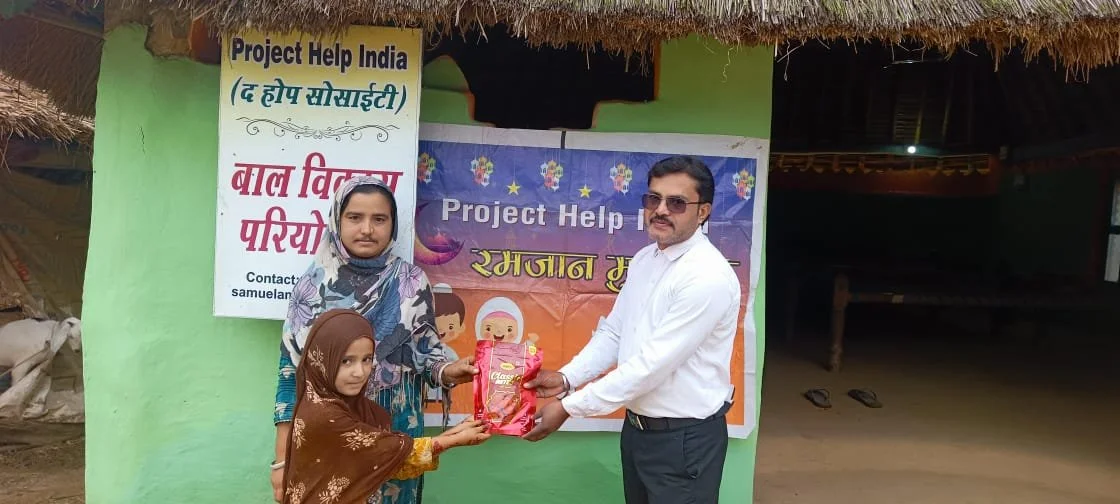
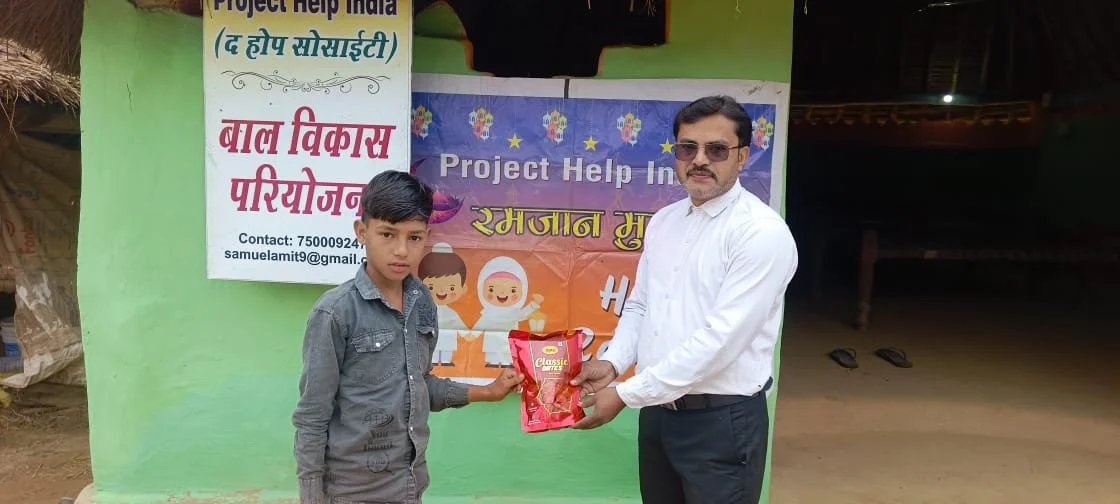
Carrying bags filled with essential rations, sweets, and dates, our team joined Muslim families in Kadarganj and the families of children from our Disability Centre -many of whom live in extreme poverty in nearby slums. These were not just distributions; they were moments of connection. Moments where children, who might otherwise watch Eid pass them by, were able to participate fully in the joy of the festival.

In the smiles captured in our photo gallery, you will see more than happiness. You will see dignity restored. You will see children who feel seen, included, and valued.

This annual initiative is deeply aligned with our mission: to bring love, hope, dignity, and purpose to the poor in India. But its impact goes even further.

By celebrating alongside these families, we are building trust and friendship within communities that have long been underserved. We are strengthening a sense of identity, pride, and belonging among children -many of whom are now attending our education centres and taking their first steps into formal schooling.

In Kadarganj, where education was once out of reach and government schools lie 5–8 kilometres away, nearly 40 children now attend our child-friendly centre daily. Eid becomes more than a celebration -it becomes a bridge to a future filled with possibility, along with the reminder that they are known and not forgotten, and most importantly - they are loved.
This is what your support makes possible: not just survival, but moments of joy that restore hope and shape futures.

More Than a Festival: What Holi Taught Our Children This Year

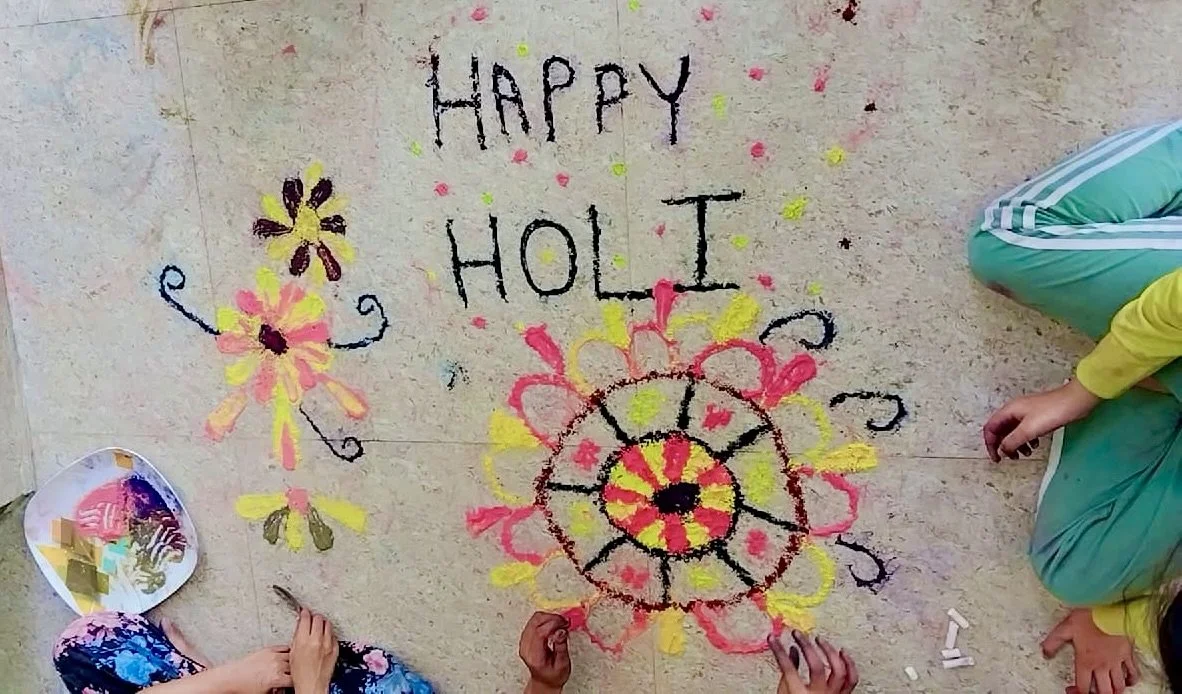
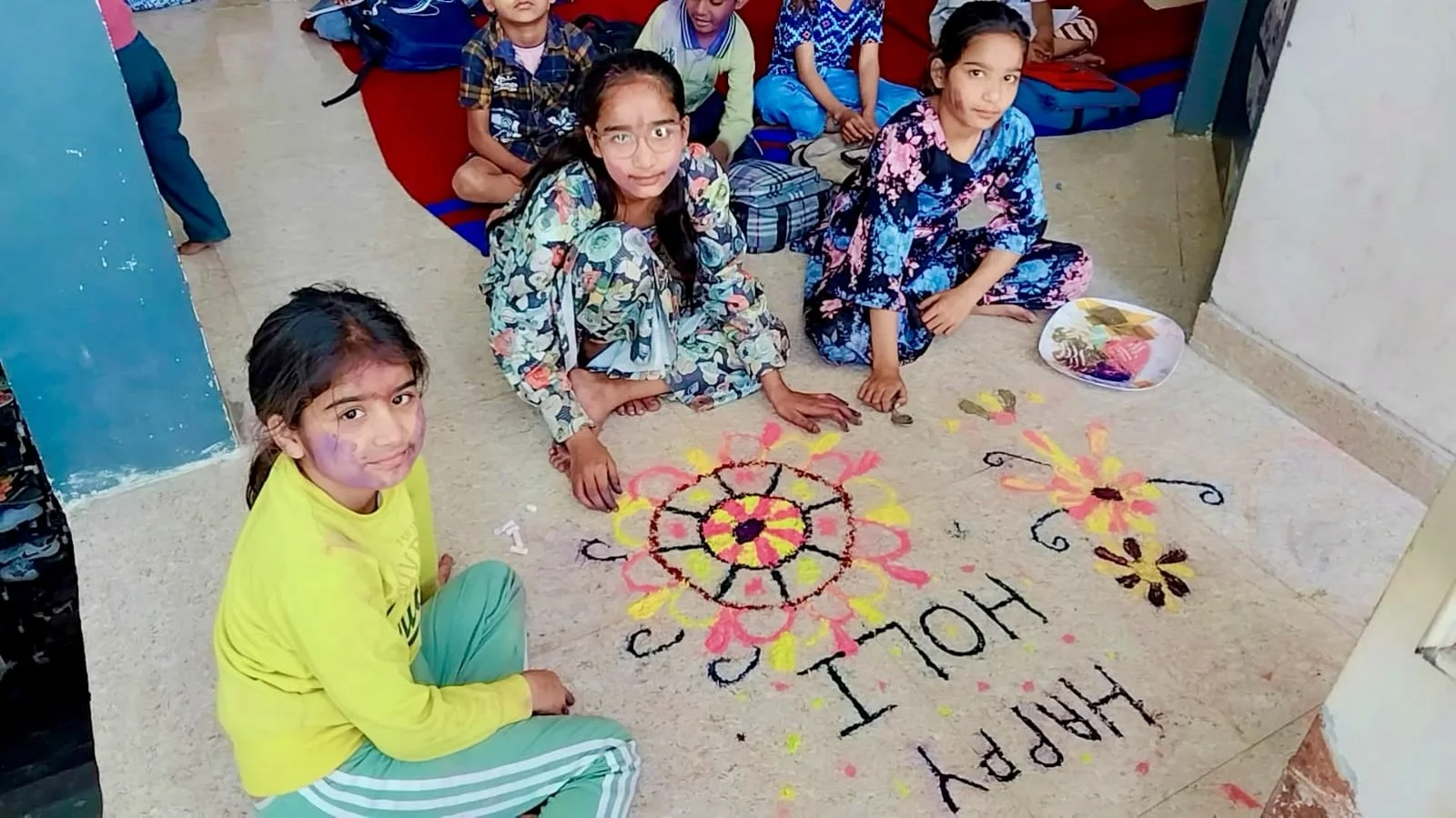
In early March, our learning centres in Punjab were filled with colour - not just the vibrant hues of Holi, but something deeper: joy, warmth, and a shared sense of belonging.

For many of the children we work with, school is more than a place to learn. It is a safe space, where they are seen, supported, and encouraged to grow not only academically, but as individuals.

This past Holi, across six Project Help India learning centres, the celebrations reflected exactly that spirit.

Before the colours came out, something equally important happened - conversations, learning …and fun!

Teachers gently guided students through the meaning of Holi: its stories, its traditions, and the values it represents. But beyond this, they spoke about something universal - care.

Care for one another.
Care for health.
Care for the environment we all share.

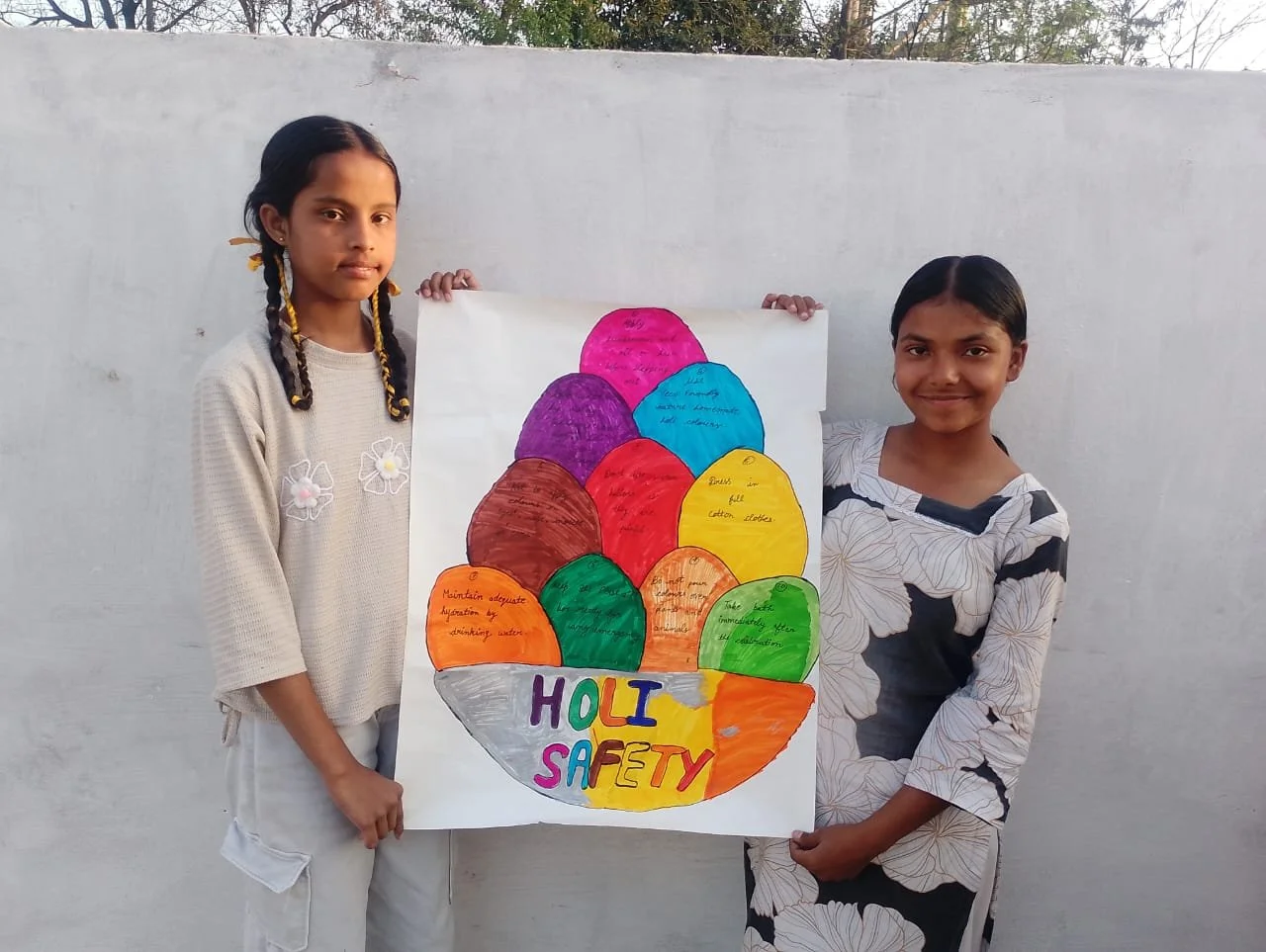
Students were encouraged to use natural, eco-friendly colours, often made from flowers and safe ingredients. What followed was not only a celebration - it was a learning experience rooted in responsibility and respect.

At our Makhu Centre, Mrs. Anita shared:
“Festivals teach us unity and joy, but it is equally important to protect our children’s health.”

At Katora Centre, Mrs. Seema reflected:
“Our aim was not only to celebrate Holi but also to educate the children about safety and environmental care.”

And in Canal Colony, Ferozepur, Mrs. Nisha observed:
“The children’s creativity reflected the true spirit of Holi—happiness with responsibility.”

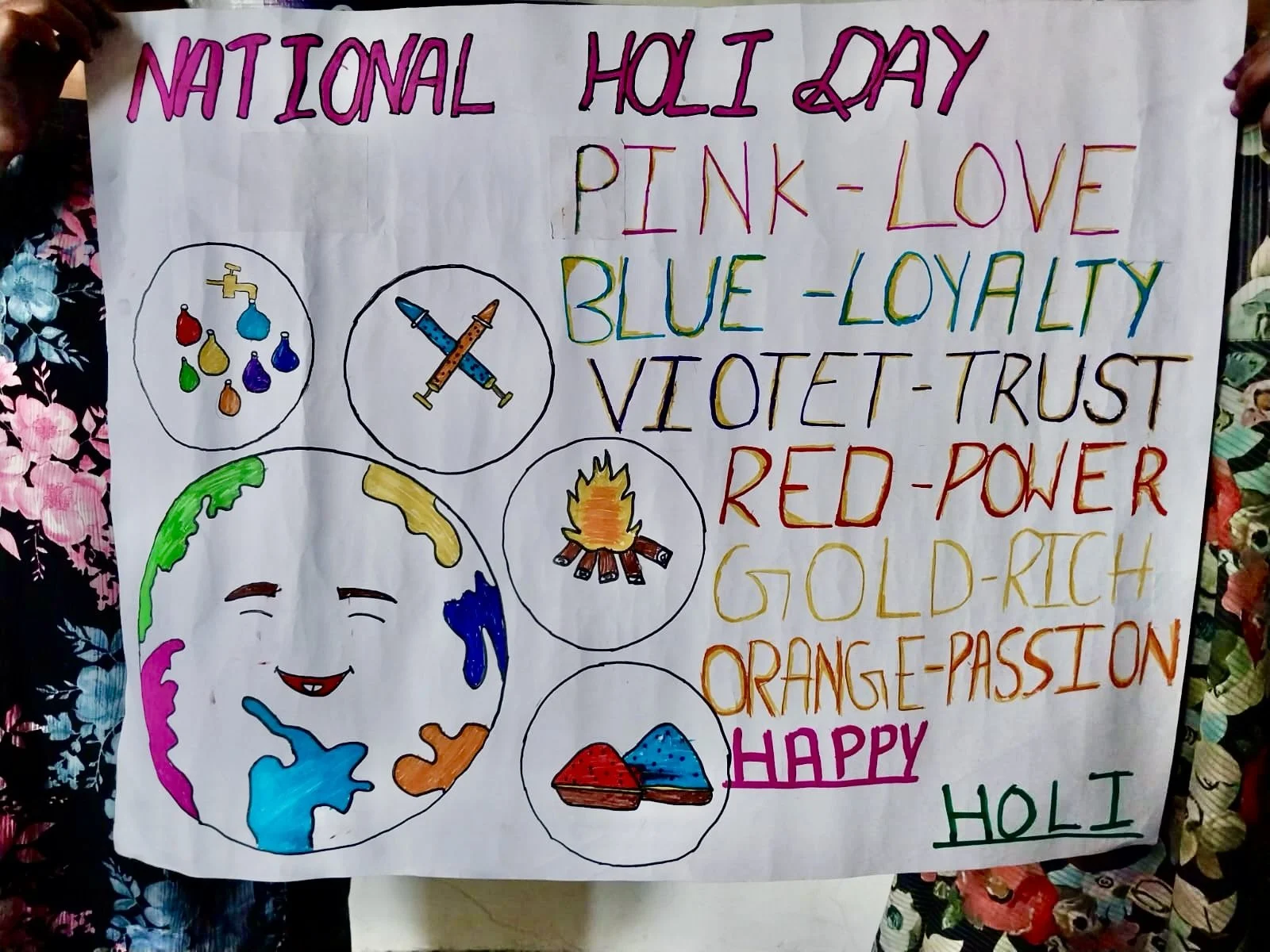
Across all centres, classrooms came alive with drawings and rangoli -each piece reflecting how children understood the festival in their own way.
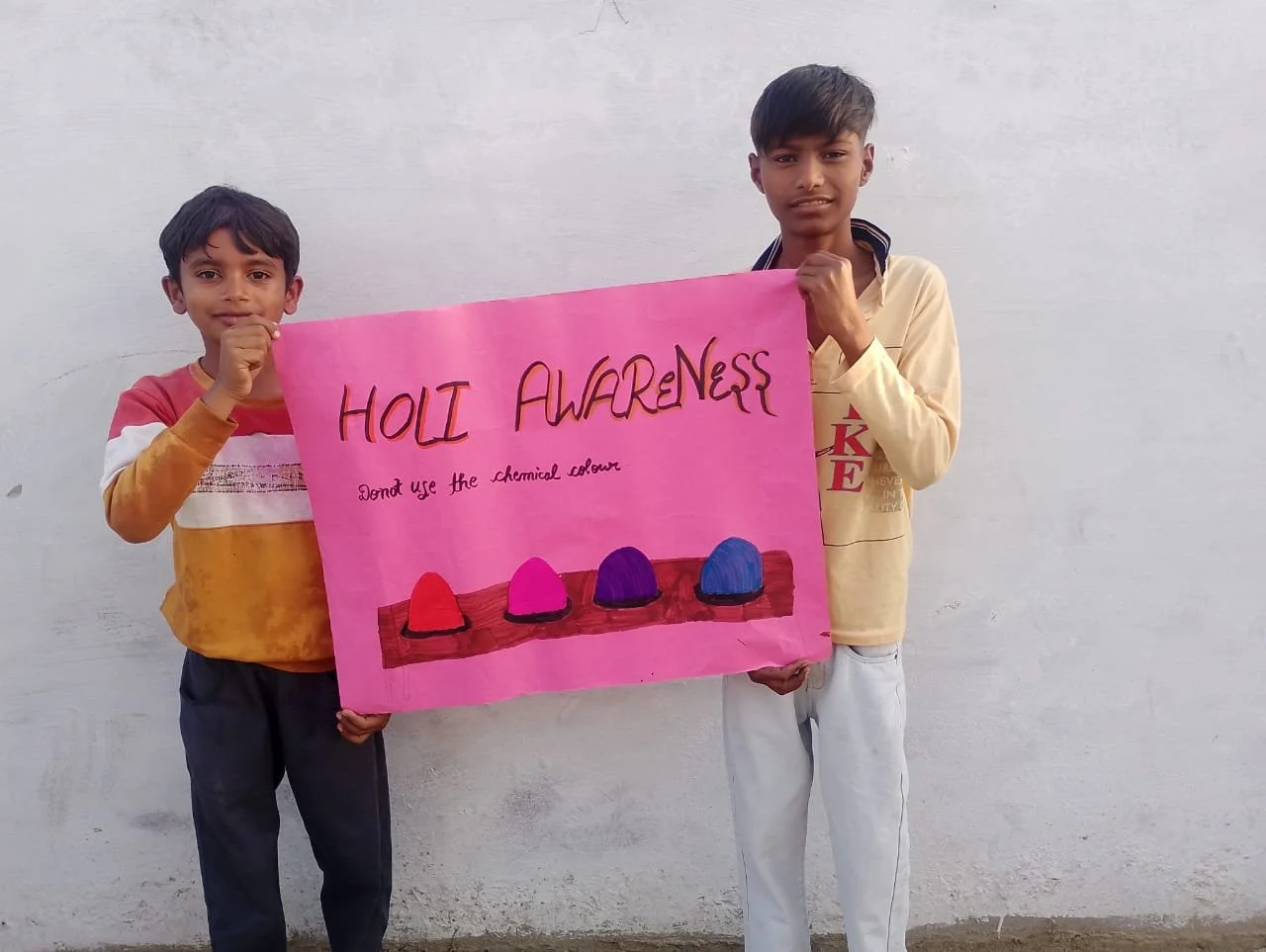
They learned together.
They celebrated together.
They belonged—together.

Impact

At Project Help India, education is not only about what children learn, it is about how they grow.

We are committed to creating environments where every child feels safe, respected, and valued - where differences are embraced, and every child has the opportunity to thrive.

Moments like these …simple, joyful, shared -carry lasting impact, and important memories for children.

They help children:

  • Build empathy and respect across backgrounds

  • Make healthier, safer choices

  • Develop awareness of the world around them

In diverse communities, this kind of learning quietly shapes stronger, more compassionate futures.

Just as importantly, it nurtures confidence and a sense of identity - the kind that grows when a child feels included, heard, and supported. It also encourages children to return to school each day, helping create consistency in learning - especially in communities where families face difficult economic realities and children are often pulled away from education too early (begging and child-labour especially).

Because of your support, these spaces exist.

Across our six learning centres in Punjab, approximately 250 children attend daily, each one gaining access to a safe, supportive environment where they can learn, grow, and belong.

Spaces where children experience not only education—but dignity, safety, joy, and belonging.

A Note of Gratitude

To our teachers, who lead with patience, care, and dedication.
To our students, who bring curiosity, creativity, and joy into every classroom.
And to our supporters, who make this work possible—

Thank you.

Your support creates moments that may seem small, but leave a lasting imprint on a child’s life.

If this story resonates with you, we invite you to be part of it.

  • Support our programs to help create safe, inclusive spaces where children can learn and grow

  • Partner with us to expand access to education rooted in dignity, care, and community

  • Share our work to help amplify stories that inspire positive change

  • Engage your organisation in supporting responsible, community-focused education initiatives

Together, we can continue building environments where every child feels safe, valued, and inspired to learn.

SHINE Today: Honouring Women on International Women’s Day

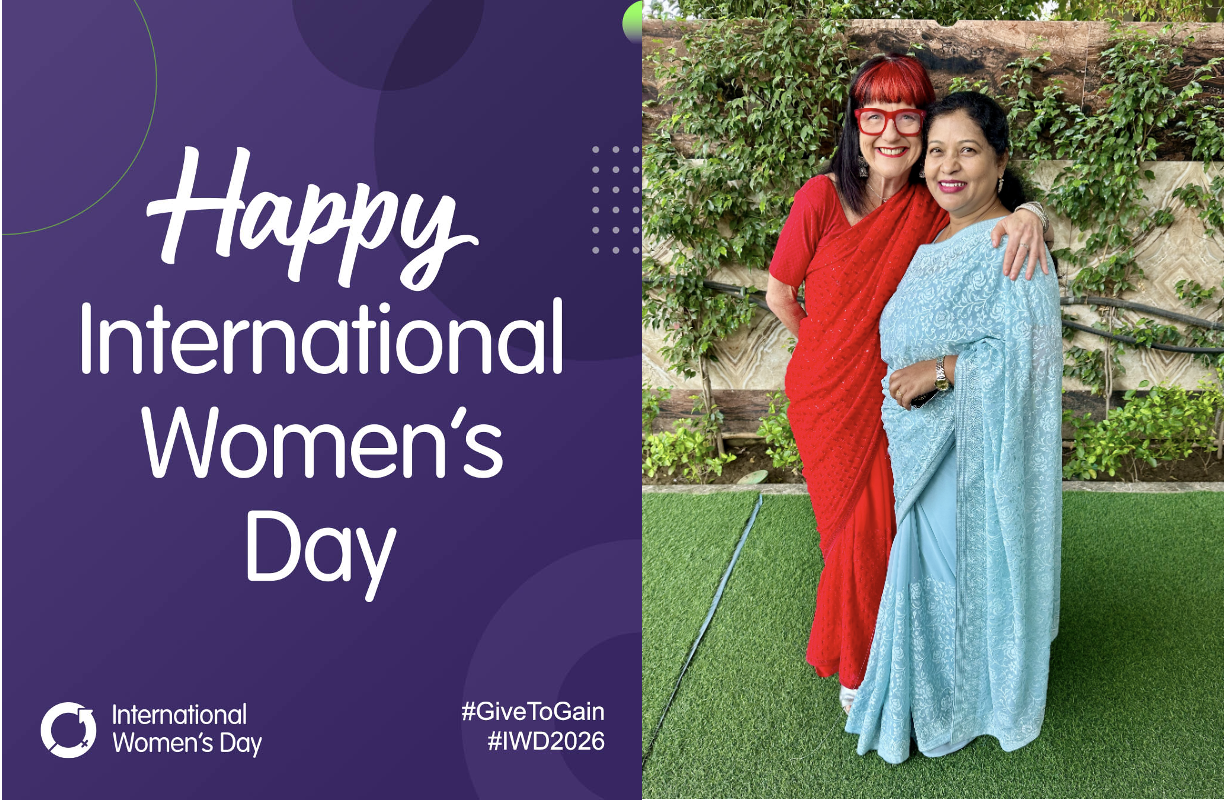
Rowena and Daisy always shine! We love them and are so grateful for everything they do for Project Help India and the world!

When women are given opportunity and encouragement to recognise their value and dignity, the future becomes brighter for everyone.

Today is a special day. As this blog is being read, 300–400 women from rural and marginalised communities are gathering in a remote part of northern India in Uttarakhand for the SHINE Women’s Empowerment Conference. Many of these women have travelled from small villages and difficult circumstances to be part of a day designed to encourage, uplift, and empower.

Today also marks International Women’s Day, a moment recognised around the world to honour the strength, resilience, and achievements of women everywhere.

Meet Daisy Samuel

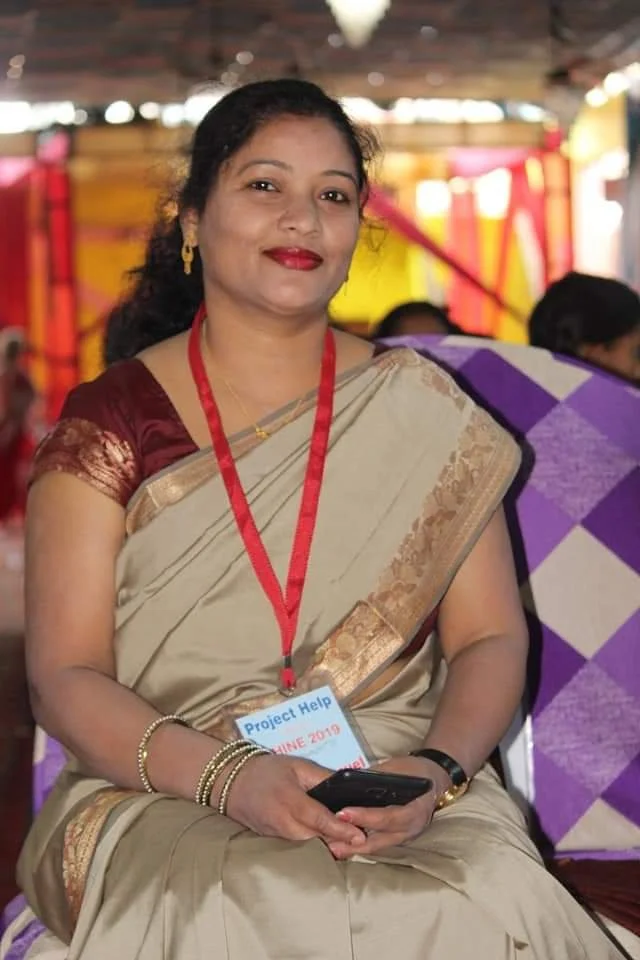
Daisy at SHINE 2019

At the heart of SHINE is Daisy Samuel, a founding leader of ‘Project Help India’ and today’s key speaker and emcee. Daisy’s own story reflects the spirit of the conference.

Raised in a small hill village in Uttarakhand, Daisy grew up facing poverty, discrimination, and hardship. As a young girl she walked long distances to collect water before school, often studying while hungry and helping her mother work in the fields. Despite these challenges, she remained determined to pursue education and eventually completed her Master’s degree in Hindi and Social Work.

Today Daisy dedicates her life to uplifting women and children across India, using her own journey to inspire others to believe that change is possible.

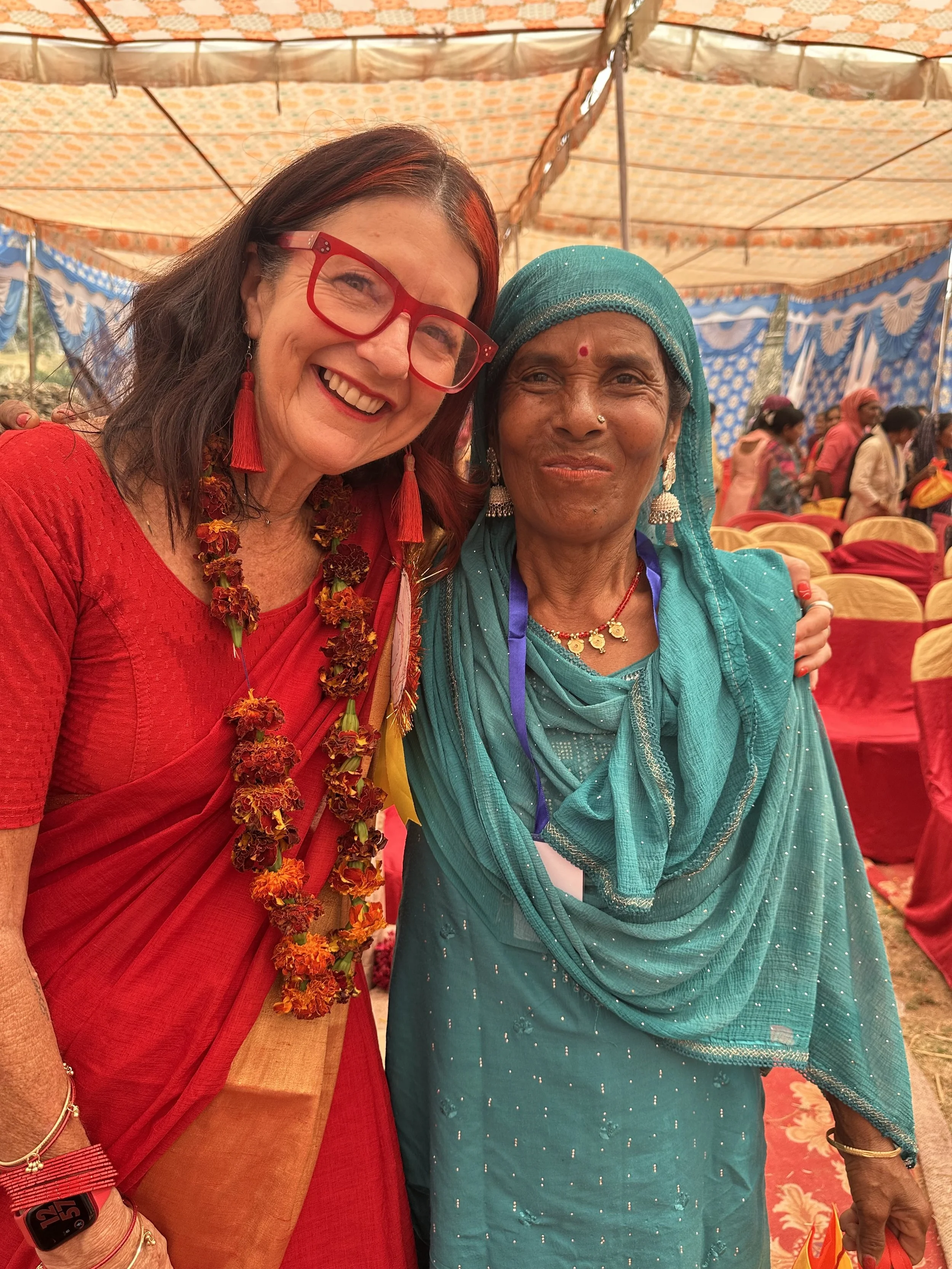
A very special guest at today’s conference is Rowena Thomas from Sydney, Australia, Daisy’s close friend of fifteen years. Over the years, Daisy and Rowena have worked together to develop and grow the SHINE Conference, which has now been running for many years and continues to impact hundreds of women annually.

Today we honour Daisy, Rowena, our guest speakers, and the inspiring women of the Project Help India team, whose dedication makes this gathering possible. Most importantly, we honour the courageous women attending SHINE today — women who show remarkable strength and resilience despite the poverty and challenges they face each day.

On this International Women’s Day, Project Help India celebrates women everywhere. May strength, dignity, and opportunity continue to grow for women in every community, and may the future be filled with hope and success.

The impact of SHINE does not end today. With continued support from friends, partners, and supporters around the world, more women will have the opportunity to attend future conferences and experience the encouragement, dignity, and community that SHINE provides.

Because when women are encouraged to shine, the light spreads through families, villages, and generations to come.

5 Days to go - Seen. Heard. Strong. Two Women, One SHINE Story

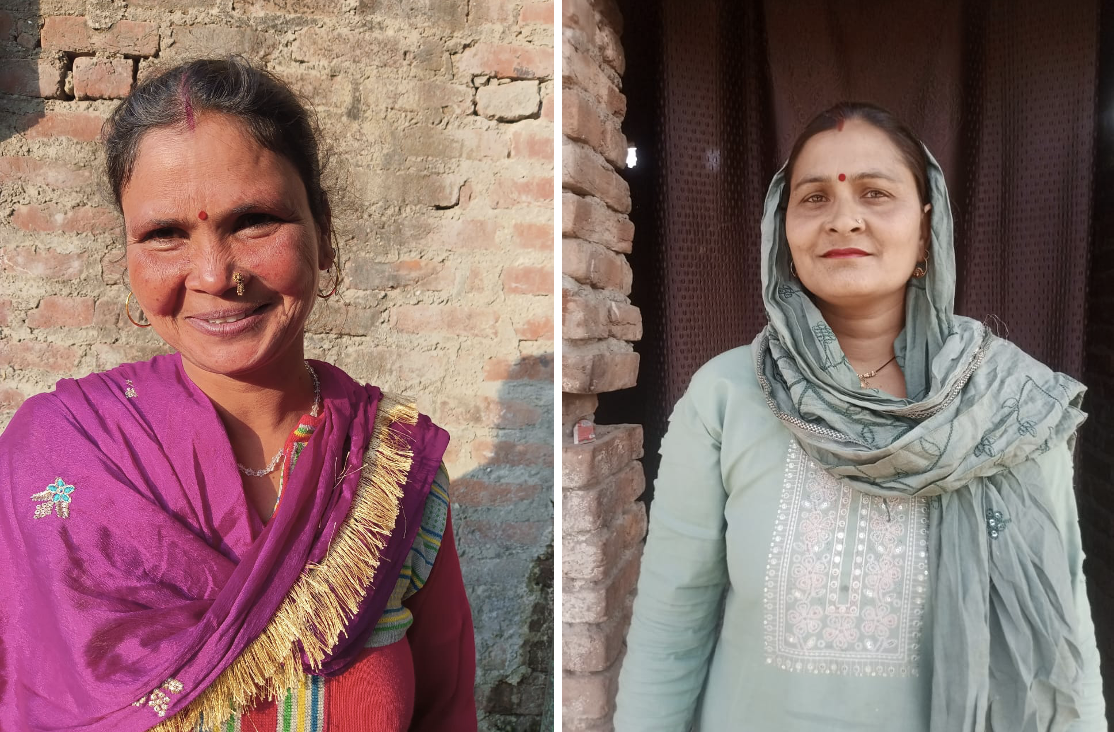
Thanks to SHINE Conference ‘I am seen’ says Rupa (left) - “I can be strong’ says Mamta (right)

With just five days to go until this year’s SHINE Women’s Empowerment Conference, Rowena and I are in India, working with our team preparing to welcome women whose lives are shaped daily by poverty, significant hardship, and limited opportunity. SHINE is not simply a gathering - it's a space where dignity is restored, confidence is strengthened, and women feel heard, understood and begin to see new possibilities for themselves and their families.

We are deeply grateful to those who have already partnered with us and given generously. Your support is already helping to make this conference possible.

For many women who attend, this will be the first time they are encouraged, listened to, and reminded that their lives carry deep value. The impact is often quiet but significant - rippling outward into homes, marriages, children’s education, and community life.

As we finalise preparations, we still need support. If you have been considering sponsoring a delegate (at just $15), partnering with us, or making a financial contribution, these final days truly matter. Your generosity helps ensure that women facing poverty are given the opportunity not just to attend a conference - but to experience encouragement, community, and lasting change. 

Rupa and Mamta are two truly remarkable and inspiring women whose lives have been transformed through SHINE. Though their circumstances are different, both have discovered renewed confidence, strength, and dignity through the encouragement and community the conference provides. Their stories reflect the quiet but powerful change that happens when women are given space to grow, to be heard, and to believe in themselves again.

“I Am Seen” – Rupa’s SHINE Story

Rupa Devi is 40 years old and lives with her family in a slum area in Kotdwar. Her husband has been suffering from tuberculosis for a long time and is unable to work. Rupa supports her family through daily labour, while her two children attend Project Help India’s slum centre.

Life is hard - but SHINE has given Rupa something rare. “At the SHINE Conference, people hug us and show us love,” she says. “In our society, poor people don’t receive that kind of care.

For Rupa, SHINE is not just about learning - it is about dignity, emotional wellbeing, and being treated as human. Her story reminds us that empowerment includes compassion, belonging, and care. Being seen can be life-giving.

Finding Confidence at Home and Beyond - Mamta’s SHINE Story.

Mamta Devi is 38 years old and has attended the SHINE Conference twice. For the first time at SHINE, she understood the importance of education for women.

“I think if I had studied, I could have taken better care of my children,” Mamta says. “So now I am determined to educate them.” 

At SHINE, Mamta also learned something even more transformative - that women have the right to speak up; “I learned that women have the strength to stand against wrong things” she explains.

Today, Mamta uses her voice at home. She supports and counsels her husband, who previously struggled with alcohol, and she has found that he listens. Her story shows how empowerment ripples outward. When women gain confidence, families and relationships begin to change too.

- Sponsor a woman to attend SHINE – $15 AUD. For many women, SHINE is their first experience of encouragement, learning, and community.

- Make a financial contribution. It is not easy to run this conference. Your support helps cover venue costs, materials, meals, transport, and accessibility for women who would otherwise miss out.

- Become a partner or corporate sponsor. We are seeking businesses and organisations who believe in women’s empowerment and want to align with meaningful grassroots impact, particularly in the lead-up to International Women’s Day.

With love and thanks,

Rowena and Daisy

“I Am Strong Enough” – Kamlesh’s SHINE Story

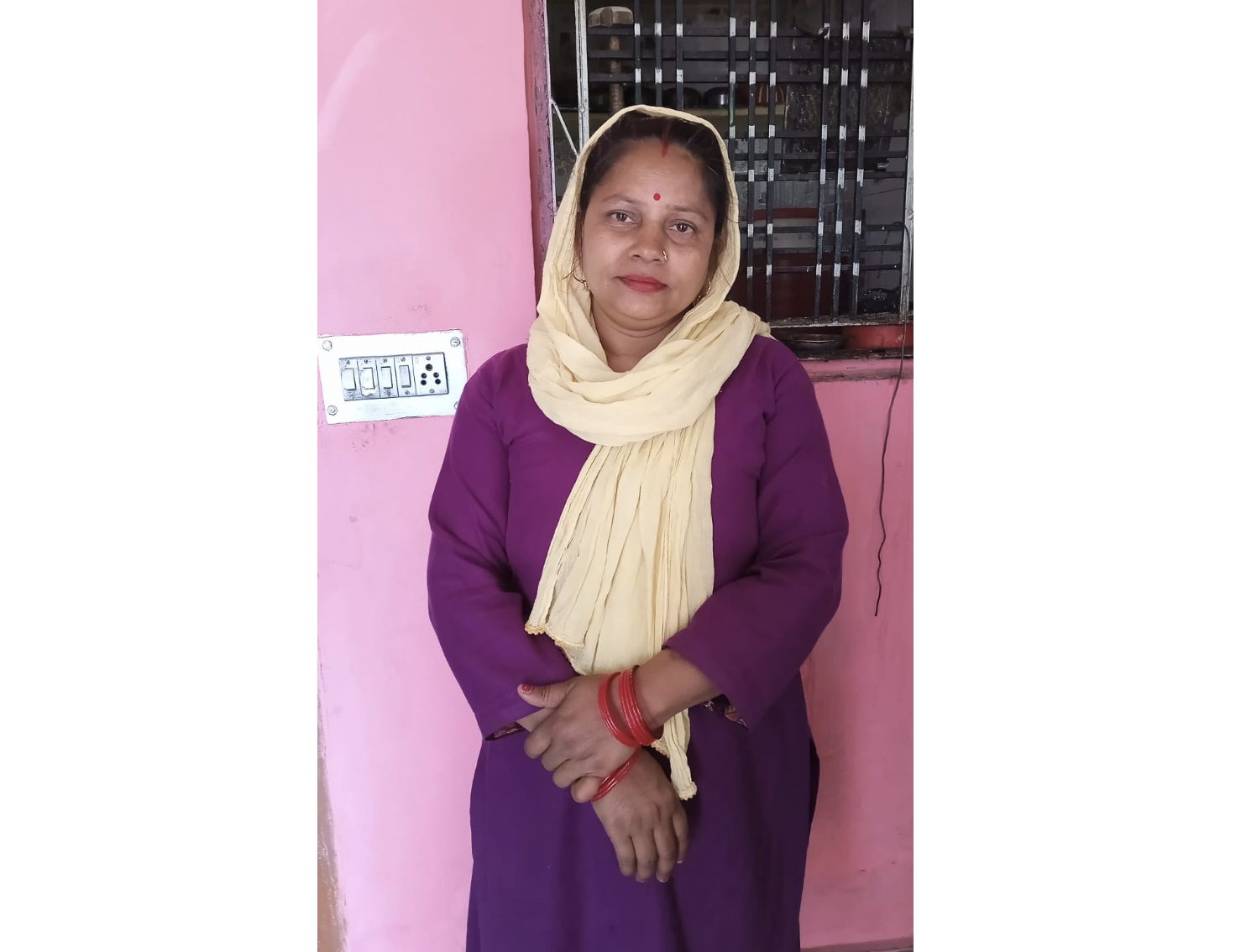
​Kamlesh Devi is 42 years old and the mother of Gitanjali, a differently-abled child who attends Project Help India’s Disability Centre. Life has not been easy. With pain in her voice, she reflects…

My husband works as a labourer, and our financial situation is very difficult,” Kamlesh shares. “People in society often say cruel things about my daughter. They treat her disability like a curse.”

For years, Kamlesh carried deep pain and self-doubt. As a mother, she questioned herself. She felt the weight of stigma and isolation. Had she done something in her life for this to have happened? Caring for a child with additional needs in a community where disability is misunderstood can be emotionally exhausting. Living in poverty is hard enough without having a child with additional needs.

That began to change when she attended the SHINE Women’s Empowerment Conference.

“At SHINE, I realised I have strength,” Kamlesh says. “I can care for my daughter. She is special to me.”The conference did not remove Kamlesh’s challenges. Her circumstances remain the same. But something inside her shifted. She no longer sees herself as helpless or alone. She now sends Gitanjali confidently to the education centre each day and faces her community with renewed courage.

Kamlesh’s story reminds us that empowerment does not always mean changing our circumstances overnight. Sometimes it means reclaiming our strength within them. It means moving from self-doubt to self-belief. From isolation to confidence. From shame to dignity.

The SHINE Women’s Empowerment Conference continues to be a space where women like Kamlesh rediscover their resilience and recognise the strength they already carry. Each year, women leave SHINE not with their problems erased, but with renewed courage to face them.

As we approach this year’s SHINE Conference in March, aligned with International Women’s Day, we are reminded that real change begins when women are given opportunity, encouragement, and community.

When a woman realises she is strong enough, everything shifts - for her, for her children, and for the future she is shaping.

How You Can Help

- Sponsor a woman to attend SHINE – $15 AUD. For many women, SHINE is their first experience of encouragement, learning, and community.

- Make a financial contribution. It is not easy to run this conference. Your support helps cover venue costs, materials, meals, transport, and accessibility for women who would otherwise miss out.

- Become a partner or corporate sponsor. We are seeking businesses and organisations who believe in women’s empowerment and want to align with meaningful grassroots impact, particularly in the lead-up to International Women’s Day.

- Share this story. Help amplify the voices of women like Kamlesh by sharing this blog within your networks.

Every contribution, large or small, helps ensure that more women like Kamlesh can discover the strength they already carry.

“I Learned That My World Could Be Bigger” – Kallo’s SHINE Story

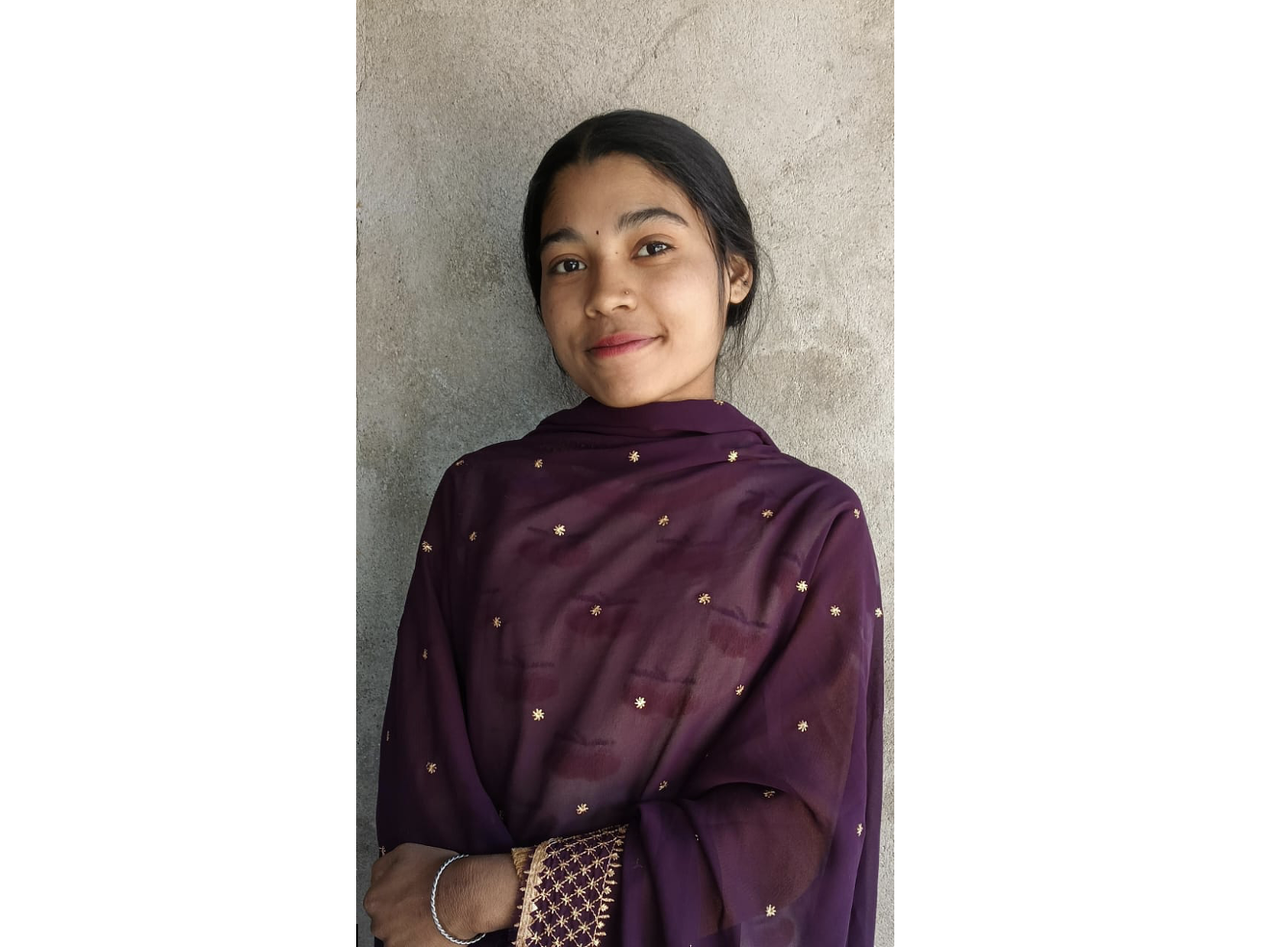
Kallo is 19 years old and lives in a small village in rural Bengal, surrounded by the forests of Corbett National Park. She belongs to the Boksi tribe, and for most of her life, her world has been very small.

“Our village has no education facilities, no medical services, no markets, no transport,” Kallo explains. “I have spent all my 19 years like this.”

Even her name carries weight.

“My name is Kallo, which means black,” she says. “When people call me by my name, I sometimes feel defined by it.”

Everything changed when Kallo was invited to attend the SHINE Women’s Empowerment Conference for the first time. It was her first journey to a city, and her first time leaving the forests she had always known.

“At SHINE, I saw a different world,” Kallo says. “I saw women who were confident, educated, and achieving great things. I realised there is a world beyond my village.”

One moment stayed with her. When speakers at the conference spoke about the beauty and value of a woman’s existence, something shifted inside her.

“I understood that my life has value,” “…….That even though my name means black, I am special.”

For Kallo, SHINE was not just a conference — it was an awakening. It planted a belief she had never been encouraged to hold before: that her future could be different.

Her story reflects the heart of SHINE and the spirit of International Women’s Day — creating spaces where young women can imagine more for themselves and begin to believe they belong in a bigger world.

Kallo hopes to attend SHINE again.

“I want to come again and again,” she says, smiling. “I am very thankful for this opportunity.”

When one young woman begins to believe in herself, the future opens — not just for her, but for generations to come.

Please help us to make SHINE happen for women like Kallo.

How you can help

  • Sponsor a woman to attend SHINE
    A gift of $15 AUD sponsors one woman to attend the SHINE Women’s Empowerment Conference — often her first experience of being encouraged, valued, and heard.

  • Provide financial support
    Donations help cover conference costs including materials, meals, transport, and ongoing support for women from rural and marginalised communities.

  • Partner with us
    We welcome partnerships with individuals, organisations, and businesses who share our commitment to women’s empowerment, education, and equality.

  • Become a corporate sponsor for SHINE
    We are currently seeking a corporate sponsor aligned with International Women’s Day, offering meaningful social impact and alignment with real, grassroots change.

  • Share Kallo’s story
    By sharing this blog, you help amplify the voices of young women who are discovering that their world can be bigger.

When a Woman Discovers Her Worth: Soniya’s SHINE Story

For many years, SHINE has been at the heart of Project Help India’s work with women. More than a conference, SHINE is a space where women are seen, heard, and encouraged to recognise their own worth. As we prepare for this year’s SHINE Women’s Empowerment Conference in March—aligned with International Women’s Day—we want to share the stories of women whose lives have been quietly but profoundly changed.

Soniya is one of them.

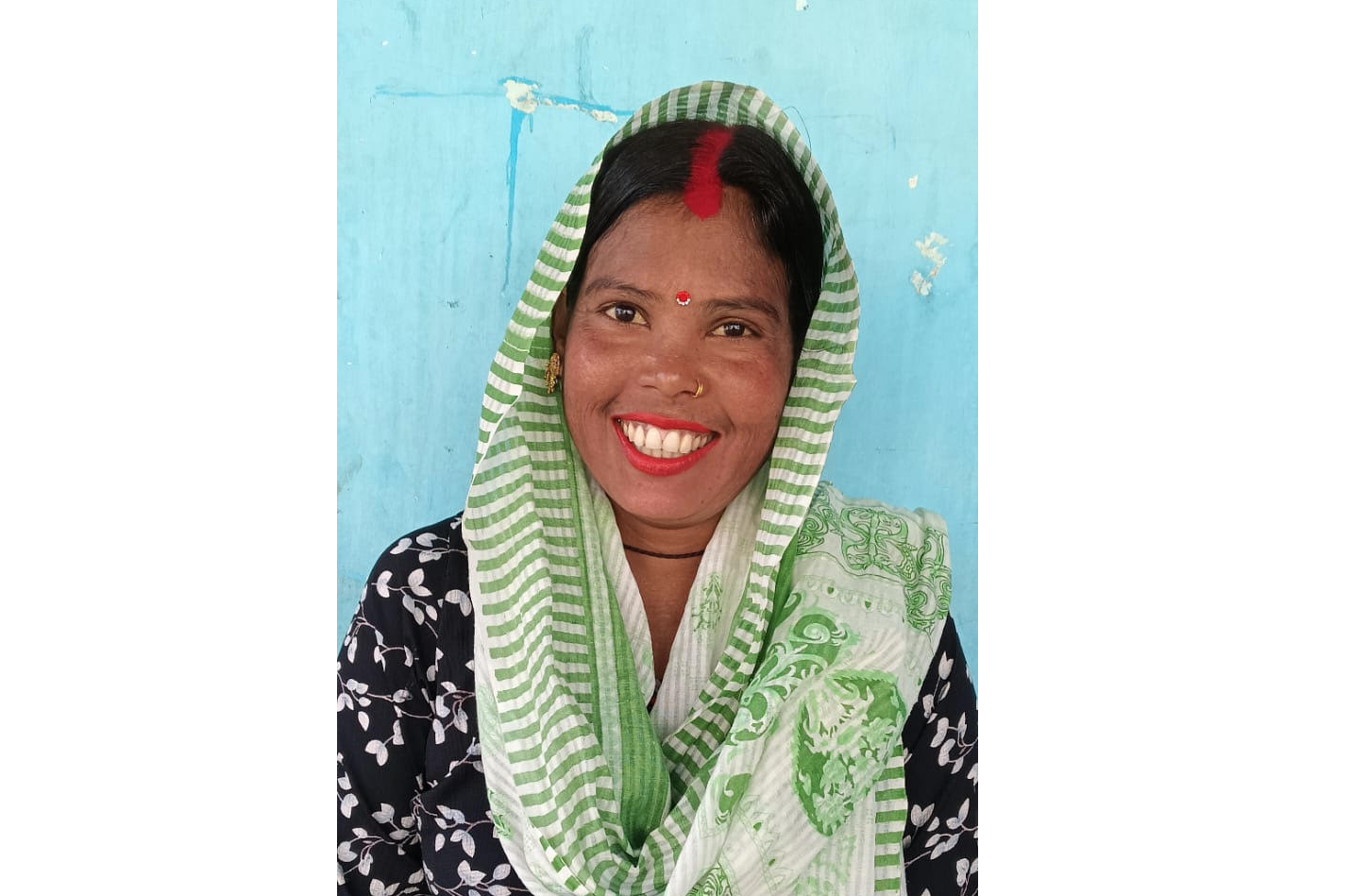
“My name is Soniya. I’m 30 years old, married, and I live in rural Bengal. I belong to the Boksi tribe.”

Before SHINE, Soniya had never been educated. She was raised believing that women had little value beyond household chores and childcare. Confidence, choice, and identity were not part of her world.

That changed the first time she attended the SHINE Women’s Conference.

“For the first time, I felt like I had my own identity,” Soniya says. “I realised that I am special, and that my life has worth and value.”

Soniya has now attended SHINE three times. Through these gatherings—filled with learning, encouragement, shared stories, and community—she began to see herself differently. Today, she speaks of living her life “with full confidence,” something that once felt impossible.

Soniya’s story reflects the deeper purpose of SHINE and of International Women’s Day itself: when women are given opportunity, encouragement, and community, they rise—not just for themselves, but for their families and villages too.

Each woman who attends SHINE costs our charity around $15 AUD to sponsor. We anticipate 400 delegates will attend. For many, this conference is their first experience of being valued as an individual.

As we approach IWD, we are seeking individual sponsors and corporate partners who believe in women’s empowerment, education, and equality. Your support can help ensure more women like Soniya are given the chance to discover their worth—and to SHINE. All up, one SHINE Conference will cost us approximately $6000 - perhaps a little more.

Together, we can turn one woman’s confidence into a ripple of change, that impacts her family, her community and beyond.

 How you can help

  • Sponsor a woman to attend SHINE
    A contribution of $15 AUD sponsors one woman to attend the SHINE Women’s Empowerment Conference and experience learning, encouragement, and community.

  • Make a financial donation
    Your donation helps cover conference costs, materials, meals, transport, and follow-up support for women in rural and marginalised communities.

  • Partner with us
    We welcome partnerships with individuals, organisations, and businesses who share our commitment to women’s empowerment, education, and equality.

  • Become a corporate sponsor for SHINE 2026
    We are currently seeking a corporate sponsor aligned with International Women’s Day 2026, offering meaningful impact, visibility, and alignment with real grassroots change.

  • Share Soniya’s story
    Help amplify women’s voices by sharing this blog within your networks and starting conversations about empowerment and opportunity.